Understanding How the VA Assists Disabled Veterans with Vehicle Expenses
Considering a new set of wheels? You might wonder, Does the VA help pay for a vehicle for disabled veterans? Exploring options for financial assistance, veterans can navigate through VA benefits which may include vehicle grants.
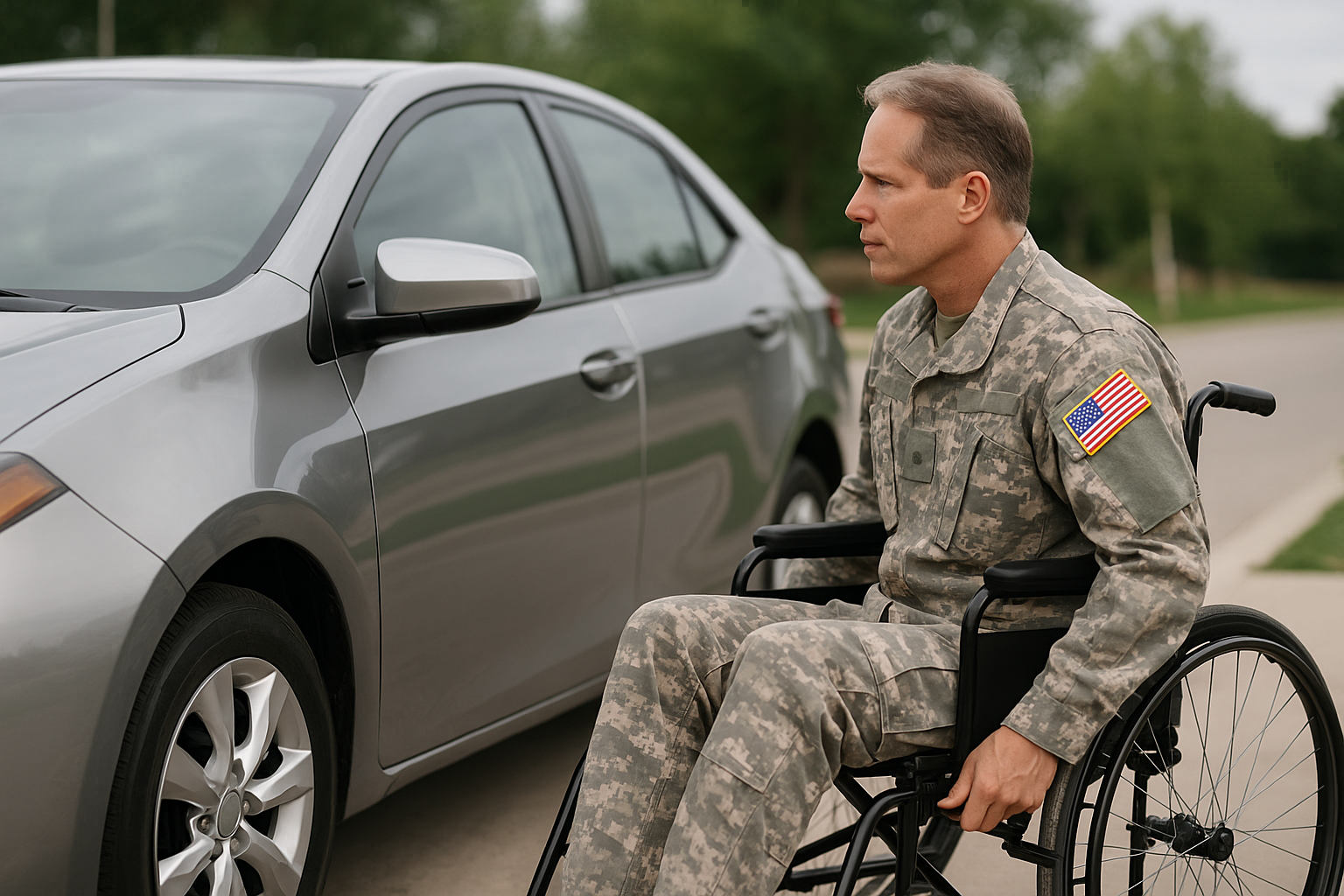
Understanding VA Benefits for Disabled Veterans
Many disabled veterans may wonder, "Does the VA help pay for a vehicle?" This question is especially relevant for those seeking to maintain independence and improve their mobility. Fortunately, the Department of Veterans Affairs (VA) does offer programs to help disabled veterans obtain vehicles that best suit their needs. In this article, we'll delve into the specifics of these programs, outlining eligibility criteria, application processes, and the types of assistance available.
What Kind of VA Assistance Is Available for Vehicles?
The VA provides various assistance programs aimed at helping disabled veterans acquire vehicles or modify them to meet their specific needs. These include the Automobile Allowance and the Automobile Adaptive Equipment (AAE) program.
- Automobile Allowance: This is a one-time grant provided to eligible veterans to buy a vehicle. As of 2026, the maximum grant amount is approximately $22,356.36. This amount is adjusted annually based on inflation to ensure it meets the needs of veterans. [Source: VA Automobile Grant]
- Automobile Adaptive Equipment (AAE): Beyond purchasing a vehicle, veterans may also need the installation of adaptive equipment, such as wheelchair lifts, hand controls, and other necessary modifications. The AAE program provides funding for these adaptations, covering both new and existing vehicles.
Eligibility Criteria for VA Vehicle Assistance
To qualify for these benefits, veterans must meet certain service-related disability criteria. Specifically, they should have one of the following conditions:
- Loss or permanent loss of use of one or both feet
- Loss or permanent loss of use of one or both hands
- Permanent impairment of vision in both eyes to a certain degree
- Severe burn injuries
- ALS (Amyotrophic Lateral Sclerosis)
These conditions must be connected to their military service, and full documentation proving the service-connected nature of these disabilities is required. [Source: VA Disability Eligibility]
The Application Process for VA Vehicle Benefits
Applying for VA assistance involves a series of steps designed to ensure that benefits reach those who truly need them:
- Gather Necessary Documentation: Veterans need their service and medical records that confirm the service-connected disabilities.
- Complete VA Form 21-4502: This form is necessary for applying for the automobile allowance. It can be filled out online through the VA’s official website or in person at a VA office.
- Submit the Application: Once the form is completed, submit it to the closest VA regional office. You can find detailed office locations on the VA’s website.
- Claim Processing: The VA reviews the application and supporting documents. During this process, additional information may be requested.
- Approval and Receipt: If approved, the benefit will be provided as a payment directly through the VA or via reimbursement after purchasing the vehicle.
Real-World Examples and Testimonials
Consider the case of John, a Navy veteran who lost his right leg due to a service-related injury. With the help of the VA's Automobile Allowance, John was able to purchase a new car and equipped it with specialized hand controls through the Automobile Adaptive Equipment program. This assistance significantly improved his daily mobility and allowed him to maintain an active lifestyle, attending community events and volunteering.
Similarly, Sarah, an Army veteran with severe visual impairment, utilized the grant to acquire a vehicle better suited for adaptive equipment, enhancing her ability to commute independently.
Additional Resources and Support
For veterans seeking further information beyond vehicle assistance, several resources are available:
- VA Locations – To find VA offices and medical centers for in-person consultations.
- VA Contact Us – To ask questions or get help with your application process directly from a VA representative.
- File a Disability Claim – Guidance on filing a claim for service-connected disabilities.
In conclusion, the VA provides essential support to disabled veterans seeking vehicle assistance, ensuring greater independence and quality of life. By understanding the available programs and eligibility requirements, veterans can confidently pursue the resources they need to live their lives to the fullest.
https://www.va.gov/disability/eligibility/special-claims/automobile-allowance-adaptive-equipment/
https://www.va.gov/disability/compensation-rates/special-benefit-allowance-rates/
https://www.va.gov/forms/21-4502/
https://www.rehab.va.gov/PROSTHETICS/psas/AAE.asp
https://www.va.gov/health-care/file-travel-pay-reimbursement/