Understanding How Women Can Develop Candida: Causes and Prevention
So, how exactly does a Candida overgrowth happen in women? While diet is a well-known factor, it’s rarely the only culprit behind this frustrating issue. The truth is that a combination of things—from common medications and hormonal shifts to everyday stress—can disrupt your body’s delicate balance.
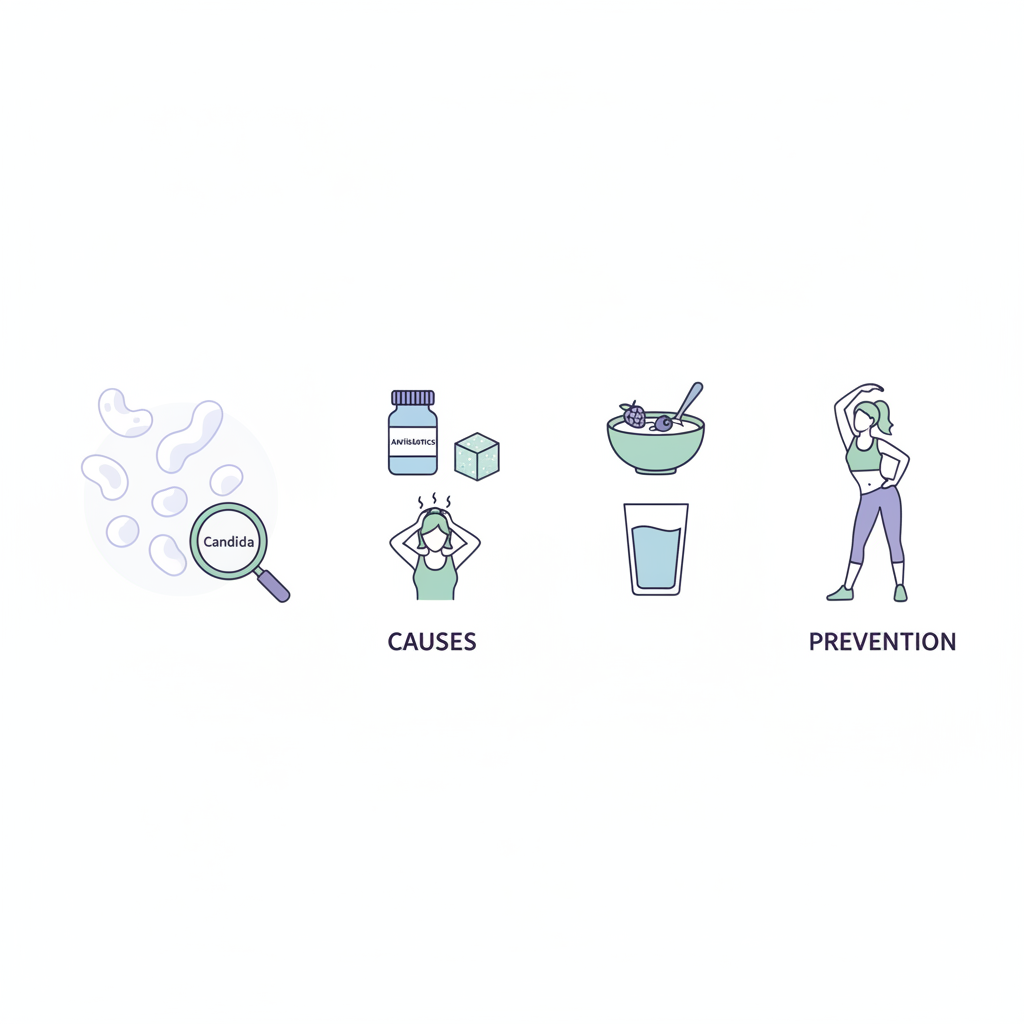
Primary Causes and Triggers for Candida Overgrowth
Candida is a type of yeast, a fungus that naturally lives in and on the human body, including the mouth, throat, gut, and vagina. In small amounts, it's harmless. However, when the delicate balance of the body's internal environment is disrupted, Candida can grow uncontrollably, leading to an infection known as candidiasis. In females, the most common form is a vaginal yeast infection. Understanding the triggers for this overgrowth is the first step in managing it.
1. Antibiotic Use
One of the most frequent culprits behind a vaginal yeast infection is the use of broad-spectrum antibiotics. While these medications are essential for fighting off harmful bacterial infections, they don't distinguish between bad and good bacteria. The vagina has a natural ecosystem of microorganisms, including a beneficial bacterium called Lactobacillus, which helps keep Candida levels in check.
When you take antibiotics, they can wipe out this protective bacteria along with the harmful ones. This creates an opportunity for the resilient Candida yeast to multiply without its natural competitor, leading to the tell-tale symptoms of an infection. This is why many women experience their first yeast infection shortly after a course of antibiotics for an unrelated issue like a sinus infection or UTI.
2. Hormonal Fluctuations
Hormones, particularly estrogen, play a significant role in the vaginal environment. Higher estrogen levels can lead to an increase in glycogen in the vaginal lining, which essentially provides more "food" for Candida yeast to thrive on. This is why yeast infections are more common during certain life stages or times of the month.
Events that cause a spike in estrogen include pregnancy, taking high-estrogen birth control pills, or undergoing hormone replacement therapy. Some women also notice a pattern of yeast infections that aligns with their menstrual cycle, often occurring in the week before their period begins when hormonal shifts are taking place.
3. A Weakened Immune System
Your immune system is your body's primary defense force, responsible for keeping potentially harmful microorganisms like Candida under control. When the immune system is compromised or suppressed, it can't perform this job effectively, making you more susceptible to all kinds of infections, including candidiasis.
Conditions that can weaken the immune system include uncontrolled HIV, undergoing chemotherapy for cancer, or taking corticosteroid medications (like prednisone) or other immunosuppressant drugs for autoimmune diseases or after an organ transplant. Even chronic stress and lack of sleep can temporarily dampen immune function, potentially creating an opening for Candida overgrowth.
4. Uncontrolled Diabetes and High Blood Sugar
Yeast feeds on sugar. If you have uncontrolled diabetes, the high levels of sugar in your blood also translate to higher sugar levels in other bodily fluids, including the mucus of the vagina. This sugar-rich environment is the perfect breeding ground for Candida, allowing it to flourish and cause an infection.
For this reason, women with poorly managed diabetes often experience recurrent or persistent yeast infections. Getting blood sugar levels under control is a critical step in preventing these infections from coming back. Even in women without diabetes, a diet consistently high in sugar and refined carbohydrates may contribute to an increased risk.
5. Lifestyle and Hygiene Habits
Certain everyday habits can alter the vaginal environment, making it more hospitable for yeast. Candida thrives in warm, moist conditions. Wearing tight-fitting, non-breathable clothing (like synthetic leggings or underwear) can trap heat and moisture, creating an ideal environment for yeast to grow.
Similarly, staying in wet clothing for extended periods, such as a damp bathing suit or sweaty gym clothes, can have the same effect. Practices like douching or using scented feminine sprays, soaps, and bubble baths can also be problematic. These products can disrupt the natural pH balance of the vagina and wash away the protective bacteria, making it easier for Candida to take over.
Understanding Candida: More Than Just an Annoying Infection
While most people associate the word "Candida" with the discomfort of a yeast infection, the fungus itself is a normal part of our body's microbiome. Gaining a deeper understanding of its role can help clarify why and how it sometimes becomes a problem.
What Exactly Is Candida?
Candida albicans is the most common species of yeast responsible for human fungal infections. It's a microorganism that has coexisted with humans for millennia. In a healthy individual, it lives peacefully on the skin and mucous membranes without causing any harm. It's considered an "opportunistic" pathogen, meaning it only causes disease when an opportunity—like a weakened immune system or a disruption in the local microbiome—arises.
Think of it like dandelions in a lush, healthy lawn. A few dandelions here and there don't harm the lawn. But if the grass becomes weak, patchy, and under-nourished, the dandelions will quickly take over and spread. Similarly, Candida is always present, but it's the health of its surrounding environment that determines whether it stays in check or grows out of control.
The Crucial Balance of Your Microbiome
The human body is home to trillions of microorganisms, including bacteria, fungi, and viruses, collectively known as the microbiome. The vaginal microbiome is a complex community where different species compete for resources and keep each other in balance. The dominant "good guys" in a healthy vaginal ecosystem are bacteria from the Lactobacillus genus.
These beneficial bacteria produce lactic acid, which makes the vaginal environment acidic (with a low pH). This acidity creates a hostile environment for many harmful pathogens, including Candida. When the population of Lactobacillus drops for any of the reasons mentioned earlier (like antibiotic use), the pH level rises, making the environment less acidic and far more welcoming for Candida to multiply and cause an infection.
Common Questions About Candida and Yeast Infections
Once you understand the basics of how Candida overgrowth happens, other questions often come to mind. Here are answers to a few common queries related to yeast infections.
What Are the Most Common Symptoms of a Vaginal Yeast Infection?
While symptoms can vary in intensity from mild to severe, they are typically quite distinct and uncomfortable. The most prominent symptom is usually intense itching in and around the vagina. This is often accompanied by a burning sensation, especially during urination or intercourse. Many women also notice redness and swelling of the vulva.
Another classic sign is a change in vaginal discharge. While not always present, the discharge associated with a yeast infection is often described as thick, white, and clumpy, with a consistency similar to cottage cheese. Unlike some other vaginal infections, it is typically odorless. Experiencing any combination of these symptoms is a strong indicator that you may have a yeast infection.
Can Diet Affect Your Risk of Getting a Yeast Infection?
The connection between diet and yeast infections is a topic of much discussion. As established, yeast feeds on sugar, so a direct link exists for those with uncontrolled diabetes. For others, the evidence is less concrete but still compelling. Diets that are consistently high in processed sugars, refined carbohydrates, and alcohol may promote inflammation and alter the gut microbiome, which can have a ripple effect on the entire body's immune function and microbial balance.
Some people advocate for a "Candida diet," which strictly eliminates sugars, white flour, yeast, and cheese to "starve" the Candida. While many report feeling better on such diets, large-scale scientific studies have not yet definitively proven its effectiveness for treating or preventing vaginal yeast infections in the general population. However, maintaining a balanced, low-sugar diet rich in whole foods is generally beneficial for overall health and may help support a robust immune system and a healthy microbiome.
Conclusion
Candida overgrowth in females is not caused by a single factor but rather by a disruption in the body's natural, delicate balance. From the medications we take and the hormonal cycles we experience to our immune health and daily habits, numerous elements can influence the vaginal microbiome. Understanding these triggers is key, as it highlights that a yeast infection is typically a sign of an internal imbalance rather than a reflection of poor hygiene. By recognizing the risk factors, individuals can be more aware of the circumstances that might lead to an infection.
For further reading and information, you can visit: