Understanding How Your Credit Score Influences Auto Insurance Rates in Your State
Curious if your credit score impacts auto insurance rates in your state? Discover how your credit history might influence insurance premiums, and why it can vary by location. While credit score is one of many factors insurers consider, understanding its role can help you make informed decisions.
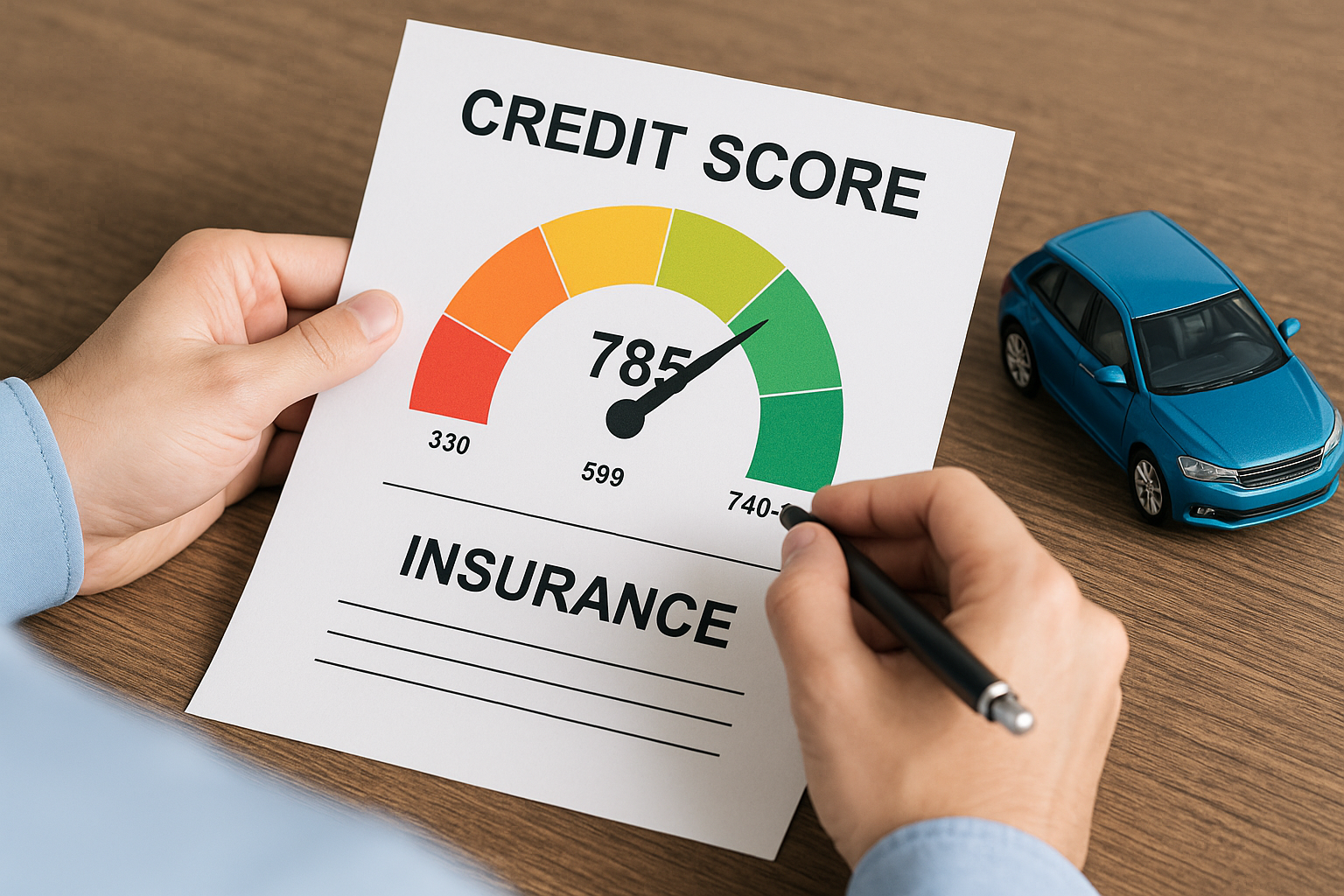
Understanding the Relationship Between Credit Score and Auto Insurance Rates
One of the common questions drivers often ask is: "Does credit score affect auto insurance rates in my state?" This inquiry is not only relevant but crucial for anyone looking to understand how insurers calculate premiums. Whether you're a new driver or someone exploring better insurance options, understanding this relationship is essential.
The Role of Credit Score in Auto Insurance Rates
Credit scores are used by many insurers as one of the factors in determining auto insurance rates. Insurance companies consider it a reflection of a person's overall reliability and financial responsibility. According to a recent NAIC report, about 95% of auto insurance companies take credit score into account when setting rates. The logic is simple: statistically, individuals with lower credit scores tend to file more claims, thus posing a higher risk to insurers.
How Credit Scores Influence Insurance Premiums
The impact of credit score on auto insurance premiums can vary widely by state due to differing laws and regulations. Essentially, a higher credit score can potentially earn drivers lower premiums, while those with lower scores might face higher premiums. Here are some ways credit scores can influence rates:
- Risk Assessment: Insurers view credit scores as an indicator of risk, with higher scores indicating less financial stress or risk.
- Premium Adjustments: Based on the perceived risk, insurers adjust their premiums. Higher scores could qualify for discounts, whereas lower scores might lead to increased rates.
State-Specific Regulations and Practices
The degree to which a credit score affects auto insurance rates can vary significantly from state to state. In states like California, Massachusetts, and Hawaii, the use of credit scores for determining auto insurance rates is restricted or even prohibited. In contrast, states such as Texas and Michigan do allow the practice. It's essential for drivers to understand the regulations specific to their state.
For example, in New York, insurers are permitted to use credit scores but are required to notify consumers if their credit history adversely affects their rates. Meanwhile, in Washington D.C., legislation has been proposed to limit the use of credit scores, reflecting a growing trend towards reforming how credit influences insurance costs.
Recent Developments and Trends in 2026
As of 2026, there has been an increasing push towards transparency and fairer insurance practices. The Insurance Institute for Highway Safety has highlighted initiatives aimed at reducing the weight of credit scores in insurance rate calculations. This reflects broader financial industry trends advocating for fairer access to services regardless of credit status.
Improving Your Credit Score for Better Rates
If you're concerned about how your credit score may affect your auto insurance rates, taking steps to improve it can be beneficial. Here are some practical strategies:
- Timely Payments: Ensure all bills are paid on time to avoid negative impacts on your credit report.
- Reduce Debt: Work towards lowering credit card balances and paying off loans.
- Check Credit Reports: Regularly review your credit reports for errors and dispute them promptly.
Conclusion: Navigating Auto Insurance Rates and Credit Scores
Understanding the connection between credit scores and auto insurance rates can empower consumers to make informed decisions about their financial and insurance strategies. As regulations continue to evolve, staying informed through credible resources and taking steps to improve credit health can offer financial benefits. Exploring options and consulting with insurance advisors can further ensure you obtain the best possible rates for your situation.