Understanding HUD Foreclosed Homes: The Process and Pricing Opportunities
Explore the potential benefits of purchasing HUD foreclosed homes in our latest article. Discover how these homes come onto the market, and why their prices might offer a unique investment opportunity. Learn about the process, risks, and rewards of buying foreclosures.
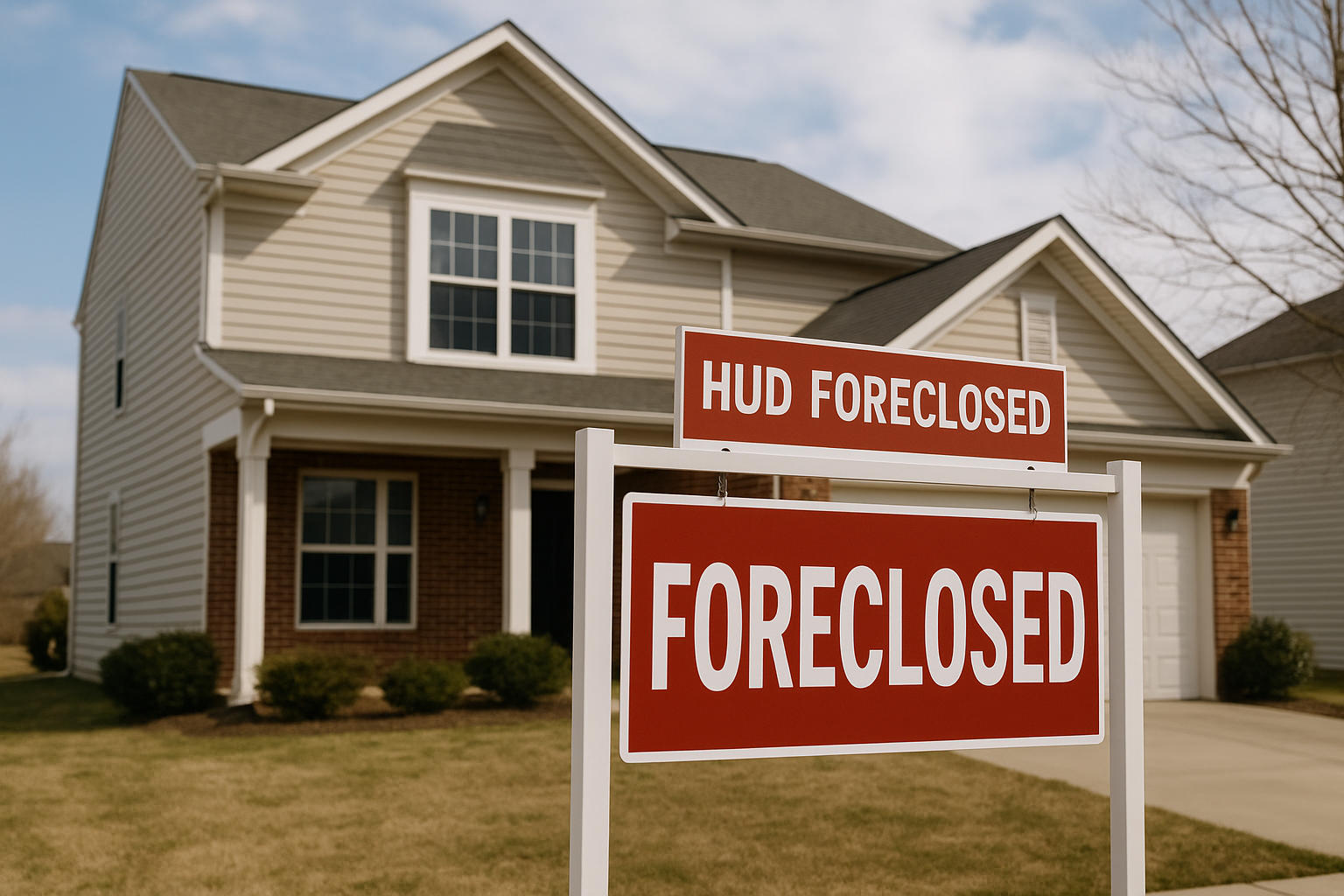
Understanding HUD Foreclosed Homes
HUD foreclosed homes offer a unique avenue for potential homebuyers and investors to acquire properties at competitive prices. The acronym HUD stands for the U.S. Department of Housing and Urban Development, the government body responsible for enforcing fair housing laws and managing the sale of foreclosed properties that had FHA (Federal Housing Administration) insured mortgages.
When a homeowner defaults on their FHA mortgage, the lender recovers the loan from HUD. Subsequently, HUD attempts to sell these homes to recover the financial loss. These homes, often referred to as HUD homes, present opportunities for buyers to purchase real estate, often below market value. However, the process involves specific protocols and bidding processes that differ from traditional home buying.
Why Prices Could Offer a Unique Opportunity
HUD foreclosed homes might offer attractive pricing because HUD aims to offload the properties swiftly. By setting prices below market value, these listings often appeal to various buyers, particularly real estate investors and first-time homebuyers looking for affordable housing options. The potential savings can make these properties an enticing option when compared to traditional markets.
For example, a recent study in 2026 from Zillow shows that foreclosed properties are, on average, listed 15–20% below typical market rates. This is a significant margin that can translate into substantial savings if the property does not require extensive repairs.
- Cost Savings: Reduced pricing makes it easier for more buyers to access homeownership.
- Diverse Options: A variety of homes might be available in different conditions and locations.
- Investment Potential: Attractive prices pave the way for profitable investments with potential appreciation.
The Process of Buying a HUD Home
The purchase process for a HUD home has its distinct features, including specific timeframes and eligibility criteria. Unlike usual property transactions, buying a HUD home involves a bidding process.
Navigating the Bidding Process
HUD contracts with real estate agents to manage its properties. Only HUD-registered real estate agents can place bids on behalf of buyers. The properties are initially offered to owner-occupants (people who intend to live in the home) for a certain period before being available to investors.
Bidding opens on properties and remains during a specific window. The highest acceptable bid at the end of the period wins the property, subject to HUD's approval. This competitive process underscores the importance of a realistic bid.
Inspections and Repairs
Purchasing a HUD home often involves buying the property "as-is." Buyers need to conduct a thorough inspection as HUD properties could have varying degrees of wear and tear. It is crucial for buyers to factor the potential repair costs into their budget to ensure a financially sound purchase.
According to a 2026 report by CoreLogic, a large percentage of foreclosed properties reveal some level of damage or deferred maintenance. Home inspections, therefore, become a crucial part of the buyer's due diligence.
Financing Options for HUD Homes
Financing a HUD home is similar to other types of home purchases, but with some additional considerations. FHA loans remain an option, and HUD may offer specific financing plans like the FHA 203(k) loan, which includes funds for property rehabilitation alongside traditional financing.
Potential Benefits and Drawbacks
Investing in a HUD home can offer considerable benefits, yet there are key considerations to keep in mind. Let's explore these aspects more closely:
Advantages of HUD Homes
- Competitive Pricing: The primary allure remains the potential for significant savings on the purchase price.
- Bidding Preference: Early bidding options for owner-occupants can increase the chances of acquiring a property without as much competition.
- Access to FHA Financing: Flexible loan options suitable for properties requiring improvements.
Challenges to Consider
- Condition Uncertainty: Homes are sold "as-is," necessitating careful evaluation and budgeting for unforeseen repairs.
- Complex Bidding Process: The bidding system can be competitive and requires quick decision-making and professional assistance.
- Location and Variety Limitations: Not all areas have significant HUD home listings, which can limit options based on preferred location and type.
Making an Informed Decision
Ultimately, HUD foreclosed homes can present valuable opportunities for those ready to navigate the distinct purchasing process. As always, potential buyers should conduct thorough research, perhaps consulting with real estate professionals knowledgeable about HUD transactions.
Having a complete understanding of the bidding mechanism, potential repair liabilities, and financial implications not only guides smoother transactions but also enhances the chances of securing a home that offers both financial savings and a rewarding homeownership experience.
Real estate professionals often recommend that interested buyers consult multiple resources and gather market insights, ensuring they enter the HUD home market with eyes wide open, well informed about both its opportunities and constraints.