Understanding Life Expectancy with a Pacemaker: What You Need to Know
If you're wondering how a pacemaker impacts life expectancy, you're in the right place. While there isn't one single answer, the good news is that most people with a pacemaker go on to live a full, normal lifespan.
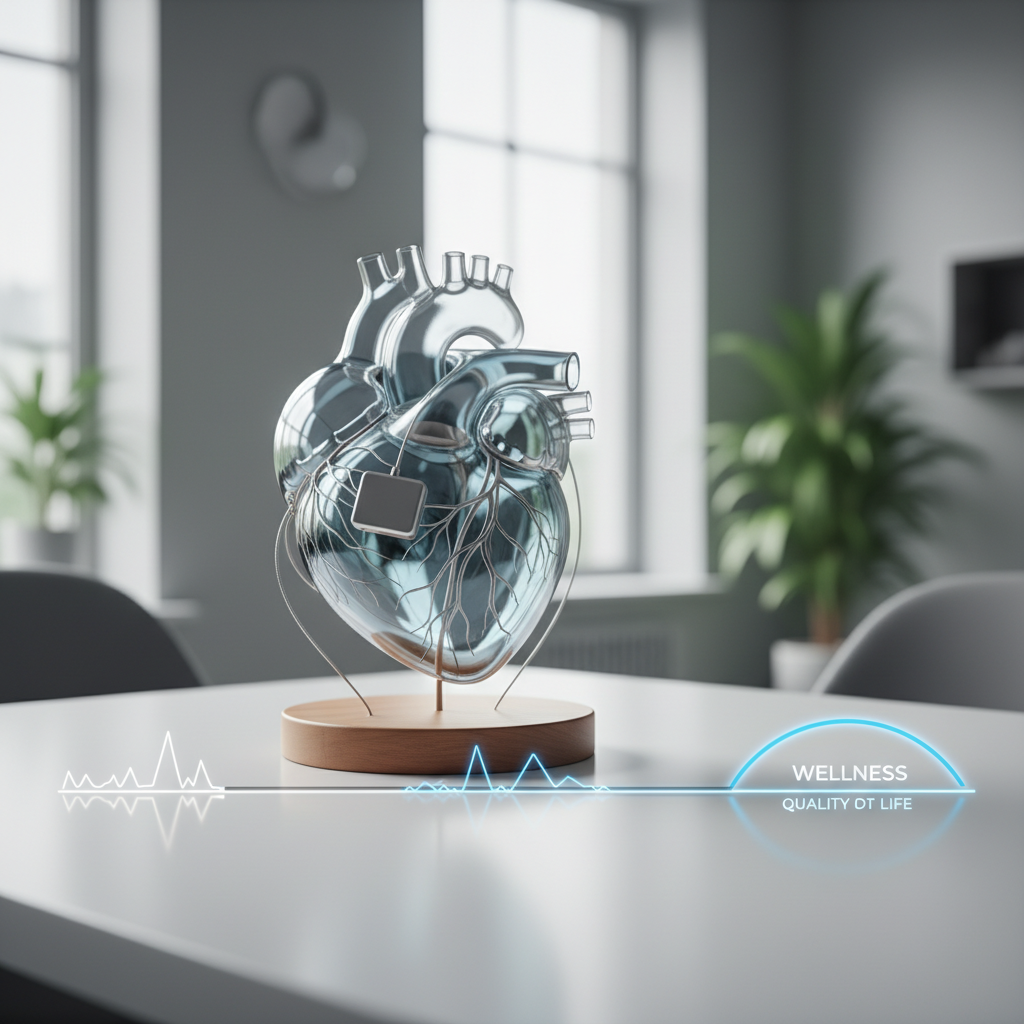
A Pacemaker's Goal: Quality of Life vs. Lifespan
One of the most common questions people have when faced with the prospect of getting a pacemaker is, "How will this affect my lifespan?" It's a natural and important concern. However, it's crucial to understand a key distinction: a pacemaker is not a cure for heart disease. Instead, it is a highly effective treatment for specific electrical problems within the heart, most notably a heart rate that is too slow (bradycardia) or irregular.
For most individuals, a pacemaker is designed to restore a normal heart rhythm, which in turn alleviates symptoms like dizziness, fatigue, fainting, and shortness of breath. By correcting the heart's electrical signaling, the device can significantly improve a person's quality of life, allowing them to return to daily activities with more energy and confidence. In this sense, a person's life expectancy with a pacemaker is often determined not by the device itself, but by the same factors that affect anyone's longevity: their underlying health conditions, age, and lifestyle choices.
Key Factors That Influence Life Expectancy with a Pacemaker
Thinking about a pacemaker's impact on lifespan requires looking at the bigger picture of a person's overall health. The device is a tool that helps manage one aspect of cardiac health, but several other elements play a much larger role in determining long-term outcomes.
The Underlying Heart Condition
This is arguably the most significant factor. A pacemaker is implanted for various reasons. Someone might need one for a relatively benign condition like sick sinus syndrome, where the heart's natural pacemaker isn't working correctly. Another person might need one due to heart block caused by a previous severe heart attack that damaged the heart muscle and its electrical pathways. The prognosis for these two individuals will be very different.
The severity of any co-existing heart disease, such as congestive heart failure, coronary artery disease, or cardiomyopathy, will have a much greater impact on life expectancy than the presence of the pacemaker. The device simply ensures the heart beats at an appropriate rate; it does not repair damaged muscle or clear blocked arteries.
Age and Overall Health at Implantation
The age at which a pacemaker is implanted plays a major role. A younger person receiving a pacemaker for a congenital heart block, with an otherwise healthy heart, can be expected to live a full and normal lifespan. Their primary long-term consideration will be the periodic replacement of the pacemaker's generator (battery).
Conversely, an older adult in their 80s who has multiple health issues (comorbidities) like diabetes, kidney disease, and lung problems will have a different life expectancy. In this case, the pacemaker is a supportive therapy that improves their quality of life, but their longevity is more closely tied to the management of their other chronic conditions.
Lifestyle Choices Post-Implantation
Receiving a pacemaker can be a catalyst for positive lifestyle changes, which can profoundly influence long-term health. Patients who adopt or maintain a heart-healthy lifestyle are likely to have better outcomes. This includes:
- Eating a Balanced Diet: Focusing on fruits, vegetables, lean proteins, and whole grains while limiting sodium, saturated fats, and processed foods.
- Regular Physical Activity: Following a doctor's recommendations for exercise can strengthen the cardiovascular system.
- Avoiding Tobacco: Smoking is a major risk factor for heart disease and can negatively impact overall health.
- Managing Stress: Chronic stress can contribute to heart problems, so finding healthy coping mechanisms is beneficial.
Adherence to Medical Follow-ups
Living successfully with a pacemaker involves being an active participant in your own healthcare. Regular follow-up appointments with a cardiologist or electrophysiologist are essential. During these visits, the device's function and battery life are checked, and any necessary adjustments to its programming are made. These check-ups, which can often be done remotely from home, ensure the pacemaker is working optimally and provide an opportunity to address any other cardiovascular concerns. Consistent monitoring helps catch potential issues early and is a key component of long-term wellness.
The Evolution of Pacemaker Technology
To appreciate the reliability of modern pacemakers, it’s helpful to look at how far the technology has come. The first implantable pacemaker, developed in 1958, was a bulky device with a very short battery life. Early patients faced significant limitations and the constant prospect of repeated, invasive surgeries. The technology was life-saving but rudimentary by today's standards.
Over the decades, advancements have been staggering. Pacemaker generators have become incredibly small, often no bigger than a silver dollar, and much thinner. Battery technology has improved dramatically, with modern devices lasting anywhere from 7 to 15 years on average, depending on usage and settings. This longevity significantly reduces the number of replacement procedures a person needs over their lifetime.
Furthermore, modern pacemakers are "smart" devices. They can monitor heart activity, adjust their pacing in response to the body's needs (such as during exercise), and store important diagnostic data for doctors to review. Many are now MRI-compatible, removing a significant restriction that patients faced in the past. The latest innovation, leadless pacemakers, are self-contained capsules implanted directly inside the heart, eliminating the need for wires (leads) and further simplifying the procedure for suitable candidates.
Common Questions About Living with a Pacemaker
Adjusting to life with a pacemaker involves learning new information and routines. Here are answers to some frequently asked questions that people have after their procedure.
What Are the Daily Life Restrictions with a Pacemaker?
For the most part, life with a pacemaker is surprisingly normal. The long-standing myth about not being able to use a microwave oven is outdated; modern household appliances are perfectly safe. However, there are a few sensible precautions to take. It's generally advised to keep cell phones and headphones at least six inches away from the pacemaker site—for example, by holding the phone to the ear on the opposite side of the body from the implant.
Strong magnetic fields can interfere with a pacemaker's function. This means you should avoid things like leaning over a running car engine, standing near large industrial motors, or using devices with powerful magnets, such as therapeutic magnetic blankets. Airport security is another common concern. You should always inform TSA agents that you have a pacemaker and show them your medical ID card. They will typically use a hand-held security wand, which should not be held directly over the device for an extended period, or direct you through a different screening process.
How Do You Know When a Pacemaker's Battery is Low?
A pacemaker's battery does not suddenly stop working. The process is gradual and predictable, giving you and your doctor ample time to plan for a replacement. Your pacemaker is designed to send warning signals months, or even a year, before the battery is fully depleted. This is known as the Elective Replacement Indicator (ERI).
This information is detected during your regular follow-ups, whether in-person or through a remote home monitoring system that transmits data over a phone line or the internet. When the ERI alert appears, your doctor will schedule a procedure to replace the pacemaker's generator. This is typically a simpler and quicker procedure than the initial implantation because the original leads are often left in place and simply connected to the new device.
What is the Lifespan of the Pacemaker Device Itself?
This question is often confused with the lifespan of the person. The pacemaker itself is a machine with a finite battery life. As mentioned, most modern pacemaker batteries last between 7 and 15 years. The exact duration depends on several factors, including the model of the pacemaker, the settings programmed by your doctor, and how much you depend on the device for pacing your heart.
For example, if a person's heart only needs pacing intermittently, the battery will last longer than in someone whose heart is 100% dependent on the pacemaker for every beat. When the battery nears the end of its life, only the small generator in the chest is replaced. The leads, which are the wires running into the heart, can often last for many decades and are typically not replaced unless they are damaged or malfunctioning.
Conclusion
Ultimately, a person with a pacemaker can be expected to live a long and fulfilling life. The device is a tool that corrects an electrical issue, but it does not define a person's overall life expectancy. That larger outcome is shaped by the individual's underlying cardiac health, their age, the presence of other medical conditions, and their commitment to a healthy lifestyle. By working closely with their healthcare team and adhering to follow-up care, individuals can maximize both the quality and length of their lives.