Understanding Loan Options for Disabled Veterans with Poor Credit
Wondering if disabled veterans can get loans with poor credit? While it can be challenging, there might be options available. Some lenders may offer products designed to assist veterans, especially those with poor credit, in obtaining the financial support they need.
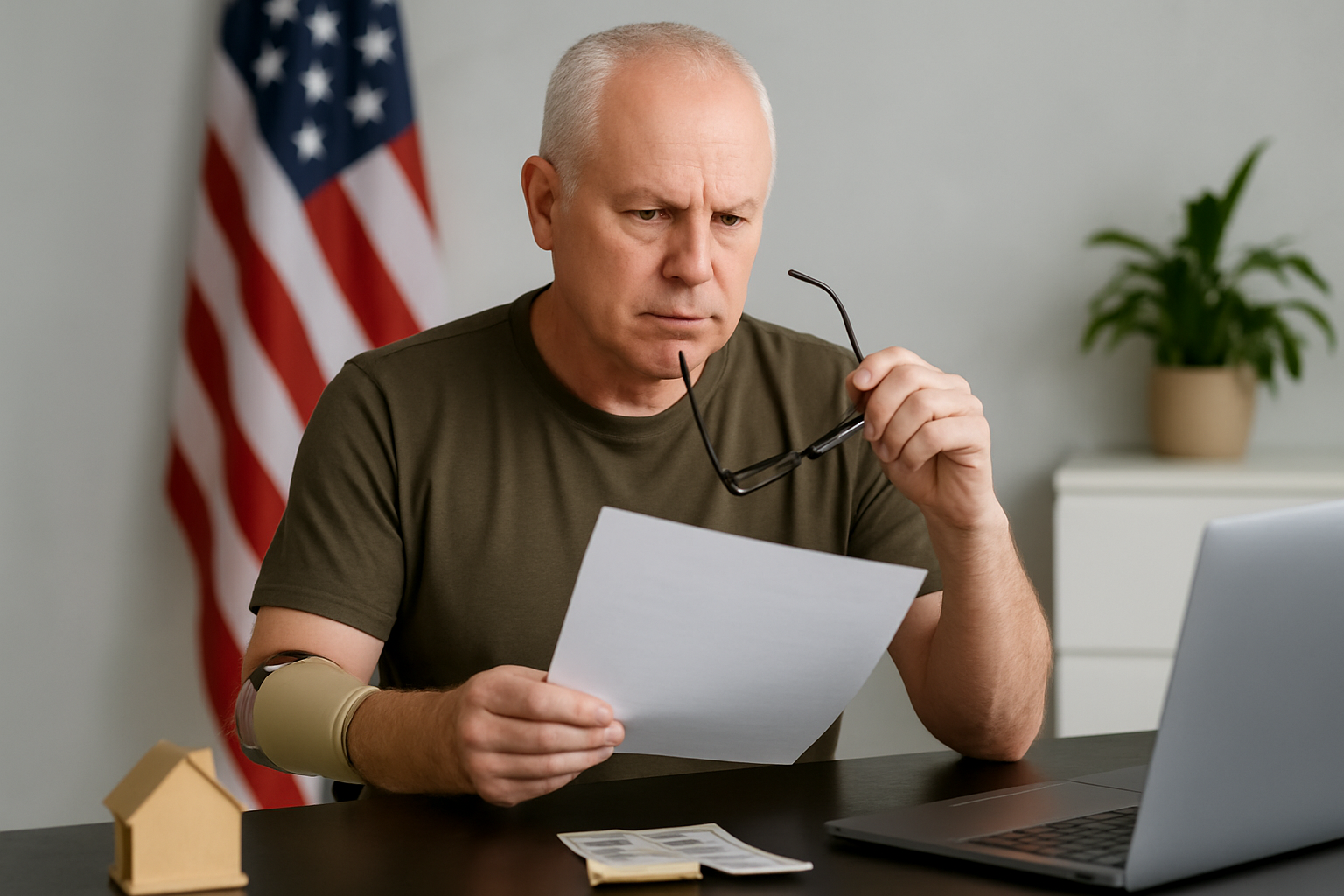
Understanding Loan Options for Disabled Veterans with Poor Credit
Being a disabled veteran can present unique financial challenges, especially when it comes to securing loans. Coupled with poor credit, the process might seem daunting. However, there are still paths you can explore to fulfill your financial requirements. This article delves into the possibilities and resources available for disabled veterans seeking loans, despite having poor credit.
Why Credit Scores Matter
Credit scores play a pivotal role in determining eligibility for loans. Lenders assess your credit score to gauge your repayment capacity, with a higher score generally translating to better loan terms. For veterans with poor credit, this can mean a limited pool of loans to choose from, often with higher interest rates. Understanding the significance of your credit score is the first step towards improving your standing with potential lenders.
Loan Options Available to Disabled Veterans
Despite credit challenges, disabled veterans have specific loan options tailored to their unique circumstances. These include:
- VA Loans: The Department of Veterans Affairs offers Veterans Affairs (VA) loans that provide favorable terms and conditions for veterans, including those with poor credit. While they primarily target home purchases, cash-out refinancing options can also provide funds.
- Personal Loans from Credit Unions: Some credit unions have veteran-tailored personal loans. These may feature more lenient credit checks and terms, recognizing the service and unique financial challenges veterans face.
- Federal Programs and Grants: Programs like the Specially Adapted Housing (SAH) Grant may not directly serve as a loan, but they ease financial burdens by contributing to housing-related expenses.
Improving Your Credit Score
Though difficult, rebuilding credit is vital. Here are practical steps to improve your credit score:
- Timely Bill Payments: Ensure that all bills, including utilities and credit cards, are paid on time. This accounts for 35% of your FICO score.
- Debt Management: Try to pay down outstanding debts. High balances on revolving credit institutions can negatively impact your credit score.
- Credit Counseling: Seek assistance from nonprofit credit counseling agencies that can help map out a strategy to regain better credit health.
- Correcting Errors: Regularly check your credit report and dispute any inaccuracies you find.
Alternative Lending Solutions
If traditional loans are unattainable, consider alternative solutions designed for those with poor credit:
- P2P Lending: Platforms like LendingClub offer peer-to-peer loans that may present relaxed credit scrutiny compared to conventional banks.
- Secured Loans: Backing your loan with collateral can sometimes sway lenders in your favor, thanks to reduced risk.
- Microloans: Nonprofits and smaller churches might offer microloans, especially focused on those in higher need or crisis.
Importance of Understanding Loan Terms
Grasping the terms and conditions of any loan is essential to making informed decisions. Pay attention to:
- Interest Rates: Fixed vs. variable rates, and the APR (Annual Percentage Rate) should be clearly understood to evaluate the total cost over the loan term.
- Loan Duration: Consider how the length affects monthly payments and total interest paid.
- Fees and Penalties: Be wary of hidden fees or penalties for early repayment, as these can significantly impact the overall expense.
Real-World Example
John, a disabled veteran, needed a personal loan but faced challenges due to his poor credit score of 580. By leveraging his status, he pursued a VA loan for home refinancing, which allowed him to consolidate debts at a lower interest rate. Simultaneously, he enrolled in credit repair programs and established an agreement with his utility company to report regular payments. Within a year, John's credit score improved to 640, opening up better loan options.
Resources and Support Networks
Numerous resources and support networks are available for disabled veterans seeking financial assistance. Here are a few:
- VA Home Loans - Details on home loan benefits and eligibility.
- Consumer Financial Protection Bureau (CFPB) - Offers guides and tools to understand financial products better.
- Credit Karma - Regularly monitor your credit score and review possible improvement measures.
Conclusion
Although obtaining a loan with poor credit as a disabled veteran can be challenging, it is not impossible. By understanding your options, working on credit repair, and exploring alternative financing solutions, you can find programs and pathways that fit your needs. Always ensure that you read the fine print and consult with a financial advisor to secure the most beneficial terms.
Navy Federal personal loan FAQs
Navy Federal military eligibility
PenFed debt consolidation loans
Servicemembers Civil Relief Act
Emergency funding for servicemembers and families
Protections for servicemembers and veterans
Veterans United VA loans guide