Understanding Low Oxygen Levels in Seniors With COPD: What You Need to Know
Understanding when oxygen levels are too low for seniors with COPD is crucial to their health. This article explores key indicators and recommended steps to take if oxygen saturation drops.
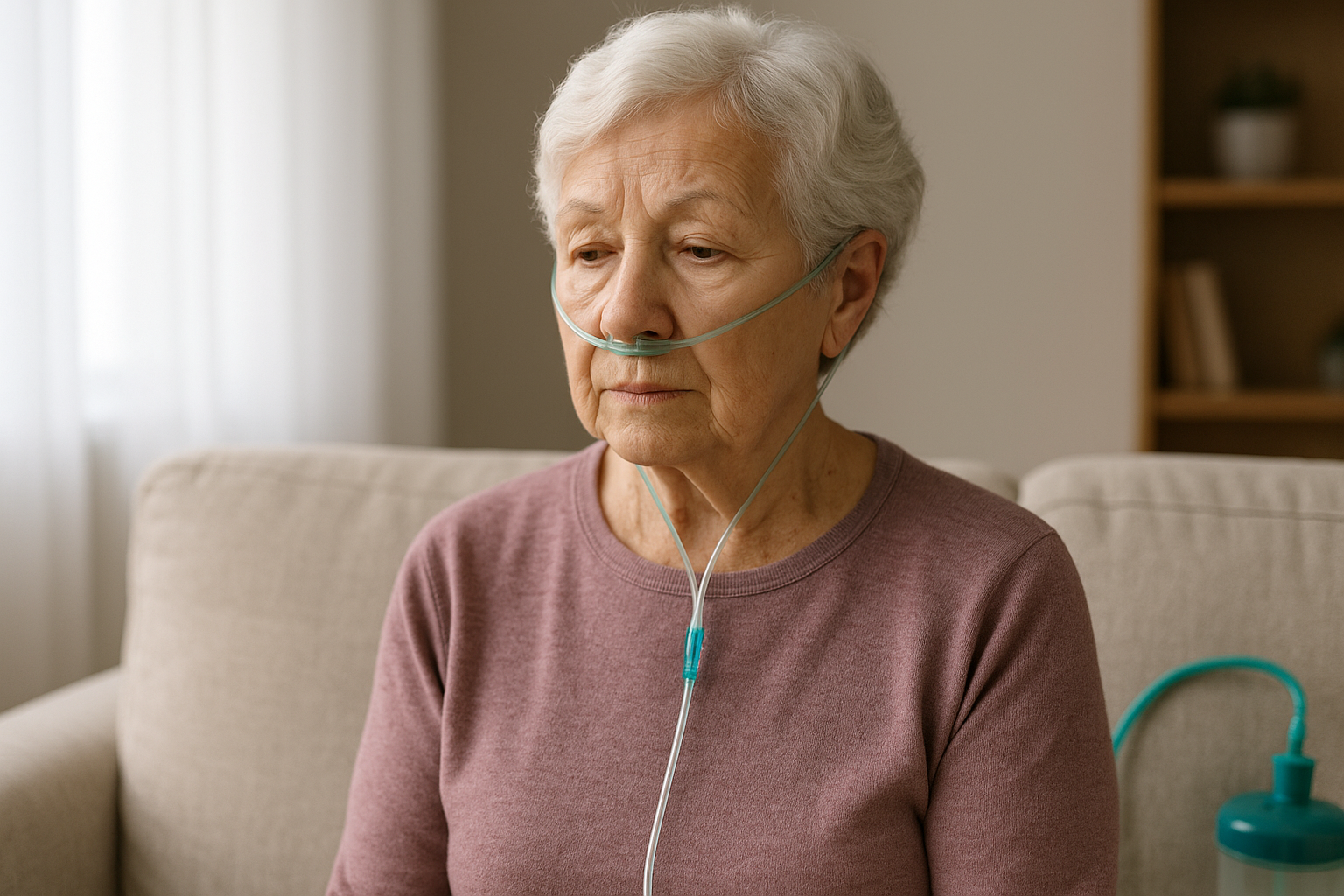
Understanding COPD and Oxygen Levels in Seniors
Chronic Obstructive Pulmonary Disease (COPD) is a progressive lung disease that makes it hard to breathe. It mainly affects older adults and is characterized by long-term respiratory symptoms and airflow limitation. Managing COPD involves understanding the crucial role oxygen levels play in a senior's overall health.
Oxygen is vital for the body's metabolic processes. However, when oxygen levels fall too low, it can pose severe risks, particularly for seniors with COPD. In this article, we delve into how to monitor and manage oxygen levels effectively.
What Is Considered Low Oxygen Level?
For individuals with COPD, maintaining adequate oxygen saturation (SpO2) is essential. In a healthy adult, normal SpO2 levels range from 95% to 100%. However, in seniors with COPD, these levels may naturally vary.
Recognizing Hypoxemia
Hypoxemia refers to below-normal oxygen levels in the blood, specifically oxygen saturation below 88%. Recognizing and addressing hypoxemia is critical. Here are signs that oxygen levels might be too low:
- Shortness of breath
- Rapid heartbeat
- Confusion or impaired reasoning
- Chest pain
- Cyanosis (a blue tinge to lips or fingertips)
When Is Oxygen Considered Too Low?
Oxygen levels below 90% are typically concerning for seniors with COPD, as they can lead to serious health complications. When oxygen saturation drops below this threshold, it may require medical intervention or supplemental oxygen therapy.
Risks of Low Oxygen Levels
Prolonged low oxygen levels can lead to increased morbidity and mortality. It can exacerbate heart conditions, increase the risk of pulmonary hypertension, and lead to organ damage over time.
The Role of Pulse Oximeters
Pulse oximeters are handy, non-invasive devices that help monitor oxygen saturation. They are readily available and easy to use, providing real-time data crucial for managing COPD effectively.
Managing Oxygen Levels: Practical Tips for Seniors with COPD
Regular Monitoring and Physician Consultations
Regular check-ups with healthcare professionals are vital. Physicians can offer personalized advice and adjust oxygen therapy based on individual needs.
Lifestyle and Home Management Tips
- Follow prescribed oxygen therapy protocols diligently.
- Avoid smoking and environments with pollutants or allergens.
- Engage in pulmonary rehabilitation to strengthen respiratory muscles.
- Maintain a balanced diet rich in antioxidants to reduce inflammation.
The Impact of Low Oxygen Levels on Daily Life
Low oxygen levels can significantly impact a senior’s quality of life, affecting their ability to carry out daily activities and leading to increased fatigue and dyspnea. Ensuring adequate oxygen not only alleviates these symptoms but also improves life satisfaction.
Adequate oxygen levels are crucial for participating in social activities, improving mental clarity, and reducing anxiety associated with breathlessness, ultimately enhancing emotional well-being.
Recent Research and Developments in COPD Management (2026)
Recent studies emphasize the importance of early intervention and personalized management plans for COPD patients. According to a 2026 study published in the National Institutes of Health, integrating AI-driven predictive tools has shown promising results in identifying patients at risk of hypoxemia, allowing for proactive adjustments in treatment plans.
Additionally, wearable technology advancements facilitate more accurate and continuous monitoring of oxygen levels, providing timely alerts for patients and healthcare providers alike.
Policy improvements in telemedicine have furthered access to specialist care, allowing patients with limited mobility to receive comprehensive medical advice remotely, thus encouraging better management of their condition.
Conclusion: Navigating Oxygen Levels for Optimal Health
Understanding when oxygen is too low for seniors with COPD is crucial in preventing complications and enhancing their quality of life. With vigilant monitoring, appropriate lifestyle adaptations, and leveraging recent medical advances, seniors can maintain healthier oxygen levels.
For more information on managing COPD and maintaining healthy oxygen levels, consult reliable health resources like The American Lung Association and actively engage with healthcare professionals to tailor approaches that best suit individual health needs.