Understanding Medicare Part D Coverage for Eliquis
Curious about whether Medicare covers Eliquis under Part D? Learn what factors impact coverage for prescriptions like Eliquis and explore options within Medicare plans. Understanding your policy details and speaking with a healthcare advisor can clarify your eligibility and potential costs.
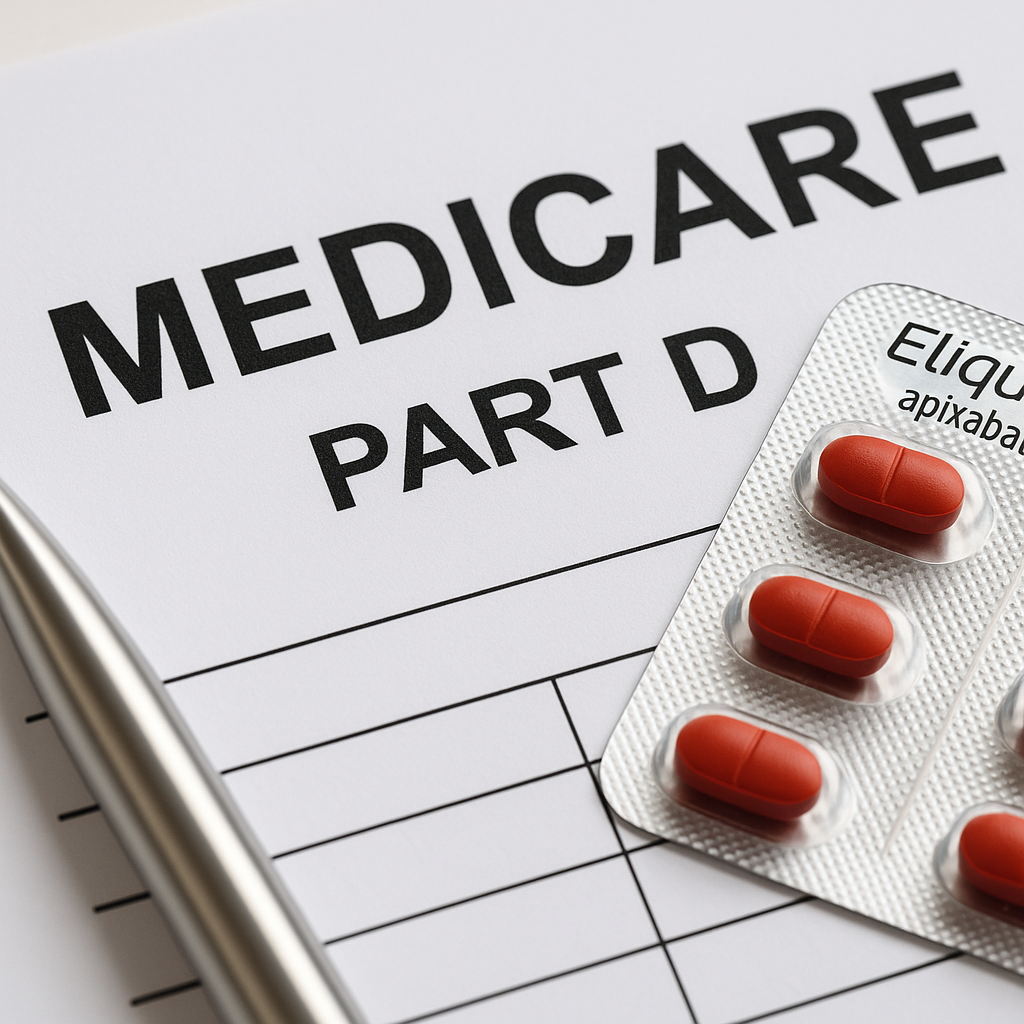
Understanding Medicare Part D
Medicare Part D is a federally funded program designed to help Medicare beneficiaries cover the costs of prescription medications. It was enacted as part of the Medicare Modernization Act of 2003 and came into effect in 2006. Many seniors depend on this critical part of Medicare to manage the costs of their necessary medications.
Over the years, Part D has evolved to include a variety of plans offered by private insurance companies. Each of these plans can vary in terms of costs, covered drugs, and rules associated with drug coverage, including what is known as the formulary – the list of medications covered by the plan.
Navigating through these plans can be complex, but understanding the fundamentals of Medicare Part D will help make it clearer if and how it covers medications like Eliquis.
What is Eliquis?
Eliquis, known by its generic name apixaban, is a prescription medication used to prevent blood clots and strokes in individuals with atrial fibrillation, deep vein thrombosis, or pulmonary embolism. It is classified as a direct oral anticoagulant (DOAC) and is preferred for its efficacy and safety profile.
Given its critical role in preventing life-threatening conditions, Eliquis is a drug that many individuals rely on. However, its costs can be a barrier, making insurance coverage essential for those who need it.
Does Medicare Cover Eliquis Under Part D?
As of 2026, most Medicare Part D plans do cover Eliquis, but there are some important considerations to keep in mind. Coverage varies from plan to plan, and each plan has its own formulary list. Generally, Eliquis is included in many Part D plan formularies as a Tier 3 or 4 medication, meaning it's typically covered but may require higher co-pays or coinsurance.
Since coverage can differ, beneficiaries need to review the specific details of their Medicare Part D plan or consult their plan administrator to verify that Eliquis is covered and understand any associated costs.
Finding the Right Medicare Part D Plan for Eliquis
Choosing the right Medicare Part D plan when you require medications like Eliquis involves careful consideration:
- Check the Plan's Formulary: Confirm that Eliquis is on your plan’s formulary, and note its tier level. Expensive drugs in higher tiers often mean higher out-of-pocket costs.
- Understand Costs: Evaluate the premium, co-payments, coinsurance, and deductible amounts associated with the plan. A plan with a higher premium might offer better coverage for Eliquis, ultimately reducing your overall drug spend.
- Pharmacy Networks: Some plans have preferred pharmacy networks offering lower prices. Ensure your preferred pharmacy is part of the network or if mail-order options could be more economical.
How to Afford Eliquis with Medicare
Given Eliquis' cost, there are strategies to manage expenses:
- Low-Income Subsidies: Medicare's Extra Help program can significantly reduce costs for eligible low-income individuals. Check eligibility through Social Security.
- Patient Assistance Programs: Programs like Bristol Myers Squibb's patient assistance may offer Eliquis at a lower cost or even for free to those who qualify.
- Discuss Alternatives: Speak with your healthcare provider about potentially lower-cost alternatives or generics if they're available and appropriate for your condition.
Changes and Updates in Part D Plans
Legislative updates can impact Medicare Part D plans. Staying current with changes, such as the Inflation Reduction Act of 2022, which aims to cap out-of-pocket drug costs, ensures beneficiaries appropriately plan for expenses.
It's crucial to revisit plans during the Medicare Open Enrollment Period (October 15 - December 7) annually, checking for changes in coverage, premiums, and formularies that might affect access to medications like Eliquis.
Conclusion
While Medicare Part D typically covers Eliquis, understanding your specific plan's details is essential for managing costs. Always review your plan’s formulary, and evaluate the overall financial impact. Whether you're managing atrial fibrillation or other conditions requiring Eliquis, ensuring your plan comprehensively covers your needs will provide peace of mind and financial security.
For more personalized guidance, consider consulting with a Medicare counselor or insurance advisor. Staying informed and proactive will help you navigate the complexities of Medicare coverage effectively.
References
https://www.medicare.gov/health-drug-plans/part-d/what-drug-plans-cover
https://www.medicare.gov/coverage/prescription-drugs-outpatient
https://www.medicare.gov/health-drug-plans/part-d
https://www.cms.gov/medicare/coverage/prescription-drug-coverage
https://www.eliquis.bmscustomerconnect.com/medicare-part-d-changes