Understanding Mortgage Credit Score Requirements: What You Need to Know
Exploring options to secure a home loan? Understanding what credit score is needed for a mortgage can prepare you for possible outcomes. While there isn't a one-size-fits-all answer, higher scores typically improve your chances for better rates.
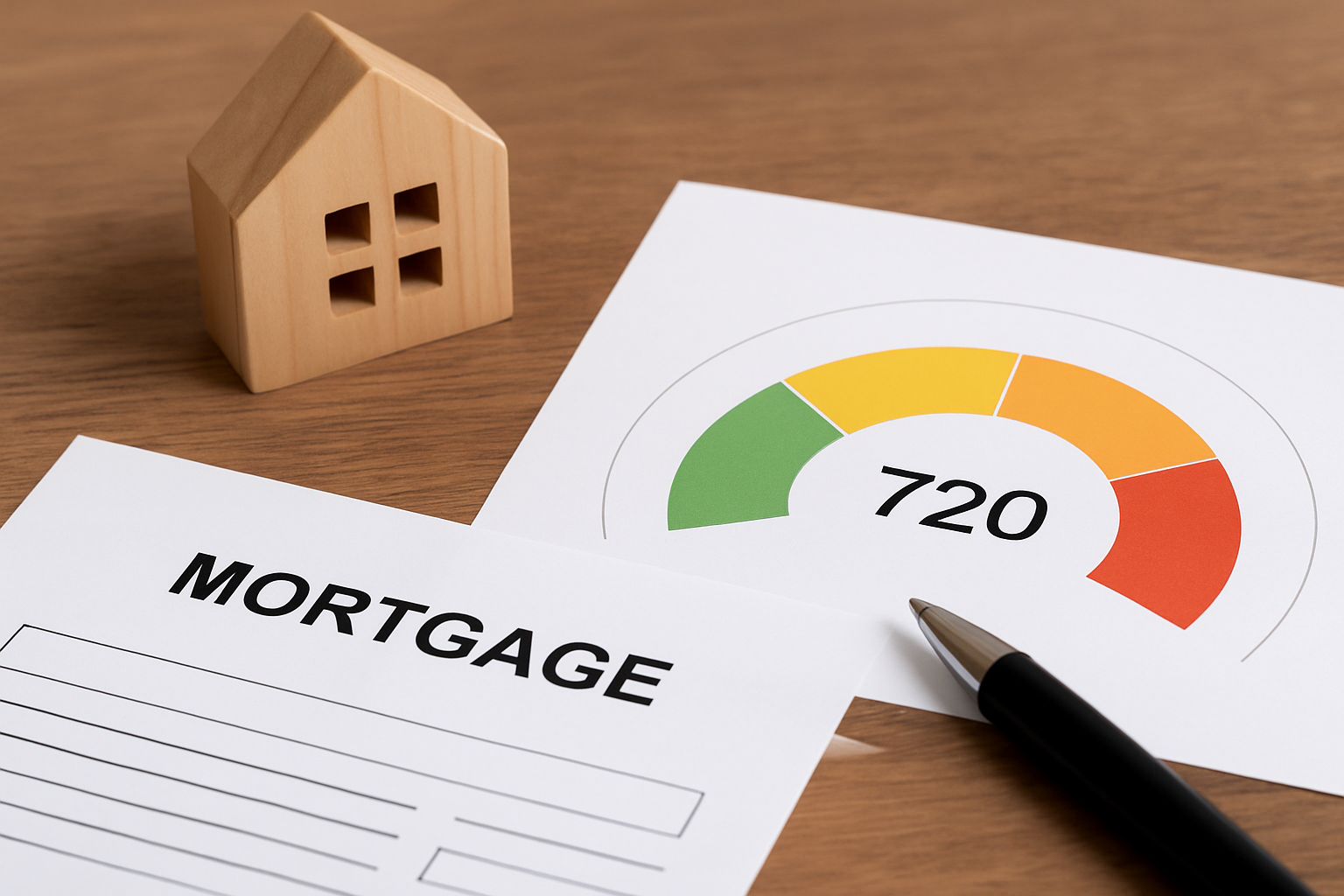
Understanding Credit Scores and Mortgages
When thinking about buying a house, one of the key elements lenders consider is your credit score. It's a numerical representation of your creditworthiness and influences the mortgage rates and terms you will receive. In 2026, obtaining a mortgage is possible with a range of credit scores, but the specifics can vary greatly based on various factors. This article seeks to answer, "What credit score does someone need for a mortgage?" while diving deep into additional elements to improve your understanding of the mortgage application process.
What is a Credit Score?
A credit score is a three-digit number typically ranging from 300 to 850. It is calculated based on your credit history, including your current debt levels, repayment history, and the length of your credit history. Lenders use credit scores to evaluate the probability that you will repay loans on time. Higher scores indicate better credit history, leading to more favorable lending terms.
Different Credit Score Ranges and Their Impact
Credit scores are categorized into different ranges, each reflecting a level of risk for creditors:
- 300–579: Poor credit score. Obtaining a mortgage with this score might be challenging and could come with higher interest rates.
- 580–669: Fair credit. It’s possible to get a mortgage but terms might be less favorable.
- 670–739: Good credit. Qualifies for most mortgages with competitive interest rates.
- 740–799: Very good credit. Eligible for better rates and terms.
- 800–850: Excellent credit. Offers the best mortgage rates and terms.
In 2026, the average credit score required for conventional loans is typically around 620. However, government-backed loans, such as FHA loans, might have lower requirements, potentially as low as 500 if you can make a higher down payment.
Factors Affecting Mortgage Eligibility Beyond Credit Scores
While credit scores are crucial, lenders also examine other factors:
- Debt-to-Income Ratio (DTI): This measures your monthly debt relative to your monthly income. A lower DTI suggests a better capacity to manage monthly payments.
- Employment History: Stable employment can enhance your mortgage application as it reassures lenders of your ability to make regular repayments.
- Down Payment: A higher down payment can reduce your loan-to-value ratio and potentially secure better interest rates.
- Savings and Assets: Having savings and other assets can improve your financial profile, indicating a buffer to lenders.
Why Credit Scores Matter for Mortgage Interest Rates
Mortgages are long-term financial commitments, and lenders use credit scores to assess risk, adjusting interest rates based on perceived creditworthiness. In general, higher credit scores translate to lower interest rates because they imply lower risk of default.
For example, a borrower with an excellent credit score might secure a mortgage interest rate of 3.5%, while someone with a fair score might receive a rate of 4.5%. Over a 30-year term, this difference could amount to tens of thousands of dollars in savings or additional costs.
Strategies to Improve Your Credit Score
Improving your credit score is a strategic step to take towards better mortgage deals. Some practical strategies include:
- Make Timely Payments: Ensure all debt repayments are made on time to avoid negative marks on your credit report.
- Reduce Debt: Pay down existing debts to lower your credit utilization ratio.
- Limit New Credit Inquiries: Applying for multiple credit lines in a short period can harm your score.
- Regularly Check Your Credit Report: Verify the accuracy of your credit report annually and dispute any errors.
Alternative Mortgage Options for Low Credit Scores
If your credit score is not ideal for traditional mortgages, there are alternative paths you might consider:
- FHA Loans: Backed by the Federal Housing Administration, these loans are accessible with lower credit scores and require a lower down payment.
- VA Loans: For veterans and active military members, these loans, backed by the Department of Veterans Affairs, often have no minimum credit score requirements.
- USDA Loans: For rural homebuyers, these loans might not require a down payment and have flexible credit score requirements.
For more personalized advice, consulting with a financial advisor or a mortgage broker could provide additional insights tailored to your specific situation.
Recent Trends and Data from 2026
This year, the mortgage market continues to evolve, with the average FICO score for borrowers rising slightly. According to a recent Experian report, the average credit score in the U.S. stands at 714, an increase from previous years, reflecting broader financial stability and awareness.
Additionally, data from the Freddie Mac indicates steady interest rates have encouraged more applications even from those with less-than-perfect credit, showing a significant shift towards inclusive lending practices.
Conclusion: Navigating the Mortgage Landscape in 2026
Securing a mortgage is a multifaceted process with credit scores playing a pivotal role. Understanding the nuances behind credit scores and their impact on mortgage options can empower prospective homebuyers. As seen, there are numerous pathways and resources available, ensuring that even those with lower credit scores have viable avenues for realizing the dream of homeownership. With mindful financial planning and leveraging the right resources, getting a mortgage with a credit score that reflects your financial history in its best light is entirely achievable.