Understanding Normal Oxygen Levels for Adults Over 65 with COPD
Curious about what defines a normal oxygen level for adults over 65 with COPD? Understanding these levels can help manage and monitor health, but it's key to remember that individual differences exist.
Understanding Normal Oxygen Levels for Adults Over 65 with COPD
Chronic Obstructive Pulmonary Disease (COPD) is a common condition that affects the lungs and breathing of millions of individuals worldwide, particularly those over the age of 65. Managing COPD effectively requires a thorough understanding of various health indicators, among which oxygen levels are paramount. This article delves into what constitutes 'normal' oxygen levels for seniors with COPD and why it matters.
What is COPD and How Does It Affect Oxygen Levels?
COPD is an umbrella term used to describe progressive lung diseases, including emphysema and chronic bronchitis, characterized by increasing breathlessness. It is caused primarily by long-term exposure to irritating gases or particulate matter, most often from cigarette smoke.
In individuals with COPD, the lungs are less able to efficiently exchange oxygen and carbon dioxide, often resulting in lower oxygen levels in the blood. This is measured as blood oxygen saturation, or SpO2, with normal levels typically ranging from 95% to 100% in healthy individuals.
What is the Normal Oxygen Level for Adults Over 65 with COPD?
For those living with COPD, especially older adults, the definition of 'normal' can differ from the general population. According to guidelines from the American Thoracic Society, a target SpO2 level of 88% to 92% is often acceptable for those managing COPD. This range accounts for both the chronic nature of their condition and the body's adaptive responses over time.
In practice, maintaining an oxygen saturation above 90% is generally desired to ensure that organs and tissues receive adequate oxygen, while also avoiding hyperoxia, which can be harmful.
Importance of Monitoring Oxygen Levels
Regular monitoring of oxygen levels is crucial for COPD management for several reasons:
- Preventing Hypoxemia: Continuous low oxygen levels (hypoxemia) can lead to serious complications, including heart strain, cognitive issues, and an overall decline in quality of life.
- Guiding Treatment Decisions: Oxygen levels can help inform whether interventions such as supplemental oxygen are necessary, and if so, how to tailor them to the individual's needs.
How to Measure Oxygen Levels at Home
Thanks to advancements in technology, personal monitoring of oxygen levels has become accessible:
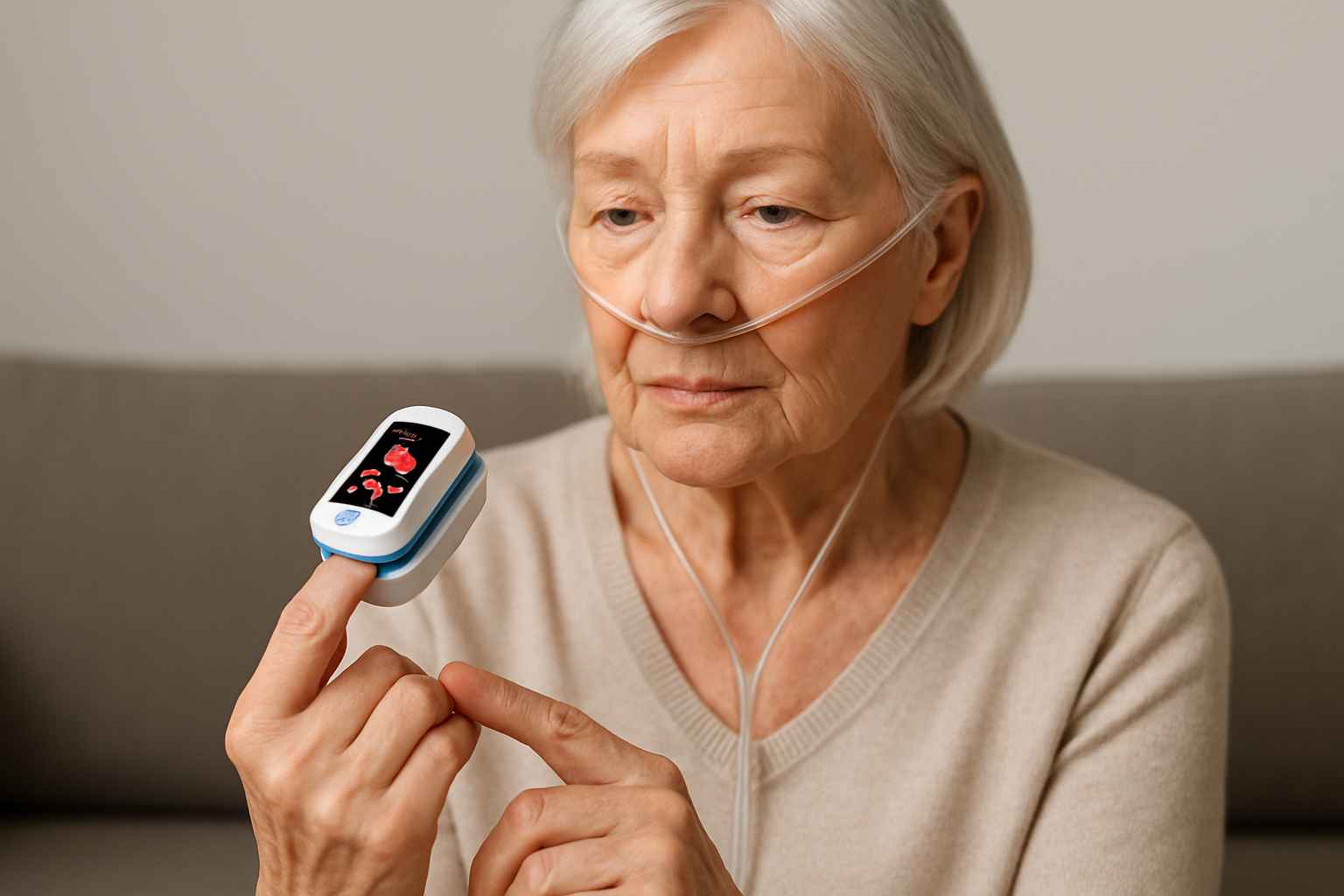
- Pulse Oximeters: These are affordable, non-invasive devices that can be clipped onto a fingertip to provide a quick reading of blood oxygen saturation and pulse rate. They are widely available online and in pharmacies.
It is recommended that individuals with COPD regularly record their oxygen levels, especially when experiencing changes in symptoms, and share this information with their healthcare providers.
Treatment Approaches for Managing Oxygen Levels
The management of COPD includes several strategies aimed at improving oxygen delivery to the body:
- Supplemental Oxygen: For those who experience chronic low oxygen saturation, supplemental oxygen therapy might be prescribed. This can be delivered through various methods, such as oxygen concentrators or tanks, and can be used continuously or intermittently based on specific needs.
- Medications: Bronchodilators, inhaled steroids, and other medications can help open airways and improve lung function, thereby potentially improving oxygen saturation.
- Pulmonary Rehabilitation: This is a comprehensive program that includes exercise training, nutritional advice, and education designed to increase physical activity and improve the overall quality of life.
- Lifestyle Changes: Quitting smoking, avoiding air pollutants, and maintaining a healthy lifestyle can drastically improve lung health and oxygen saturation levels.
Recent Advances and Research in COPD Management
Research in the COPD field continues to advance, providing new insights into how the condition can be better managed. According to a 2026 study from the Journal of Respiratory Medicine, new drug therapies and personalized medicine approaches are on the horizon, offering deeper customization of treatment plans to fit individual patient profiles.
Moreover, wearable technology advancements are making personal health monitoring more accessible and accurate, allowing for better day-to-day management of oxygen levels.
When to Seek Medical Help
While mild fluctuations in oxygen levels can be typical, certain signs require immediate medical attention, such as:
- Persistently low oxygen levels below 85%.
- Sudden onset of severe breathlessness.
- Persistent coughing with increased mucus production.
Should any of these occur, seeking urgent medical assessment is critical.
Conclusion
Understanding and managing normal oxygen levels for adults over 65 with COPD is vital in mitigating complications associated with the disease. Through regular monitoring, ongoing communication with healthcare providers, and adherence to prescribed therapies, individuals can maintain better control over their condition.
For those living with COPD or caring for someone who is, staying informed about treatment advances and changes in guidelines is essential to ensure the best possible outcomes.