Understanding Ontario's ODB Coverage Rules for GLP-1 Medications: A 2026 Guide
Discover the latest updates in Ontario ODB coverage rules for GLP-1 medications in our 2026 guide. As healthcare policies evolve, understanding which GLP-1 medications might be covered under Ontario's Drug Benefit program can be crucial for patients and healthcare providers alike.
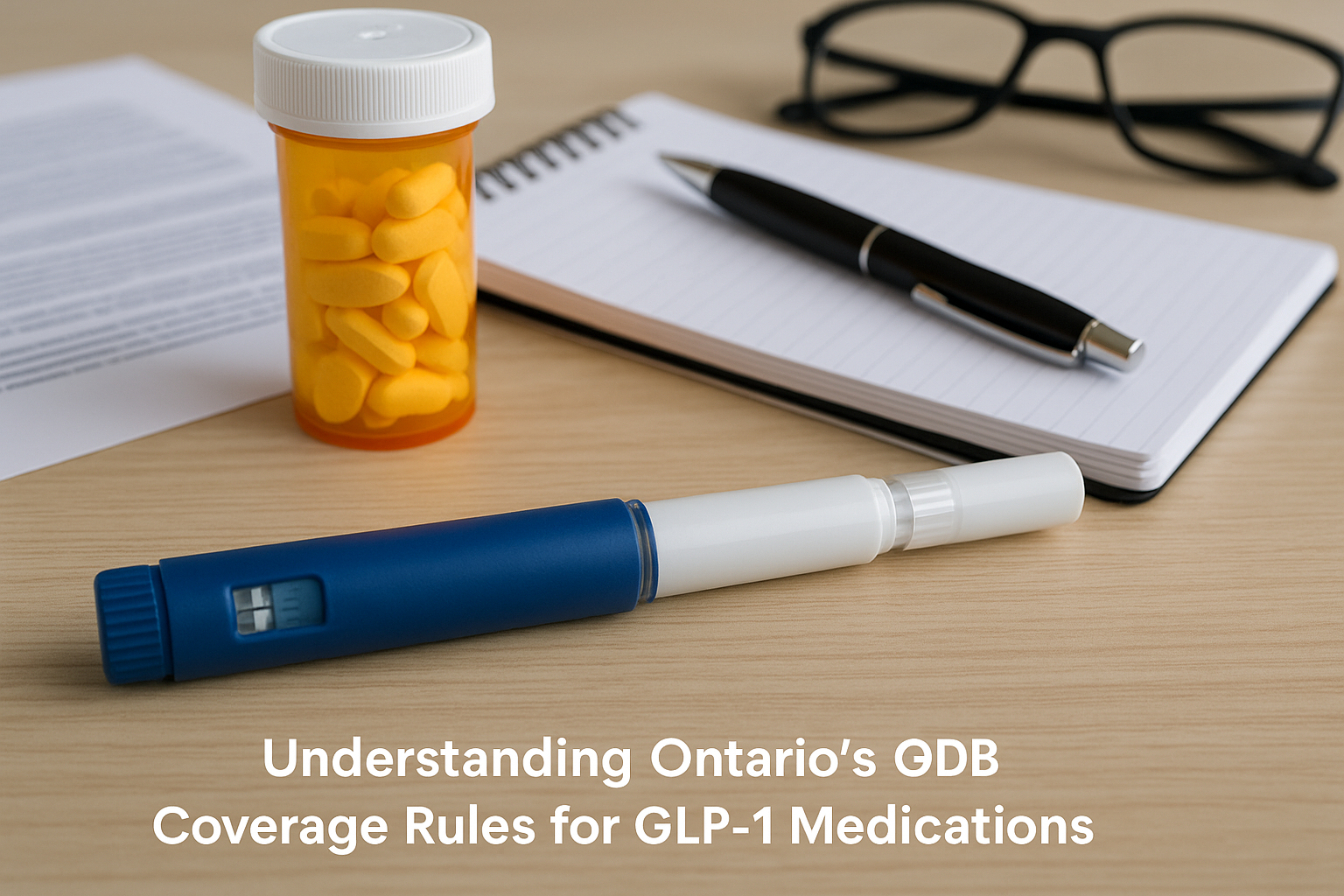
Understanding Ontario ODB Coverage for GLP-1 Medications in 2026
Ontario's Ontario Drug Benefit (ODB) program plays a critical role in providing accessible medication coverage for eligible residents. As the healthcare landscape evolves, so do the rules and regulations surrounding drug coverage, especially concerning novel medications like GLP-1 receptor agonists. This article explores the ODB coverage rules for GLP-1 medications in 2026, ensuring you have the latest information at your fingertips.
What Are GLP-1 Medications?
GLP-1 receptor agonists, often referred to as GLP-1 medications, are a class of drugs primarily used to manage Type 2 Diabetes. These medications help stimulate insulin secretion, suppress glucagon release, and slow gastric emptying, making them effective in lowering blood sugar levels and aiding weight management. Examples include liraglutide, semaglutide, and dulaglutide.
Who is Eligible for ODB Coverage?
The ODB program provides drug coverage to over 4 million Ontario residents. The eligibility criteria typically include:
- Seniors aged 65 and older.
- Recipients of social assistance (Ontario Works or Ontario Disability Support Program).
- Individuals residing in long-term care homes or homes for special care.
- All Ontario residents under the Trillium Drug Program, which supports those with heavy prescription costs relative to income.
Key Changes in ODB Coverage for GLP-1 Medications in 2026
Over recent years, the demand for GLP-1 medications has increased, driven by their dual role in diabetes management and weight control. In 2026, the following key changes have been implemented regarding their ODB coverage:
- Expanded Coverage: Coverage has been extended to include new GLP-1 medications that have proven to be cost-effective and beneficial, such as the latest formulations of semaglutide.
- Prior Authorization Requirements: Some GLP-1 medications now require a prior authorization process to ensure the appropriateness of the therapy. This involves practitioners providing evidence of the patient’s need and anticipated benefit.
- Support for Personalized Medicine: The ODB now supports decisions based on genetic testing, where reimbursement is tied to the genetic likelihood of response to GLP-1 therapies.
How to Navigate the ODB System for GLP-1 Coverage
Navigating drug coverage can be daunting, but understanding the process can significantly ease the stress. Here's how you can manage your GLP-1 medication needs through Ontario's ODB system:
- Consultation with Healthcare Providers: Regular visits and consultations with your healthcare provider will ensure your prescriptions are updated and align with ODB coverage rules.
- Utilization of Online Resources: Utilize Ontario Health’s online portals for information on covered medications and to track your prior authorization applications.
- Engagement with Pharmacists: Pharmacists are valuable resources for understanding medication coverage and can assist with ODB paperwork.
Real-World Examples and Patient Experiences
Consider the experience of Jane, a 67-year-old Toronto resident managing Type 2 Diabetes. After discussing her long-term health goals with her endocrinologist, Jane's treatment plan included semaglutide. The ODB program significantly reduced her out-of-pocket costs, allowing her to maintain her medication regimen and improve her health outcomes without financial strain.
The Future of GLP-1 Medication Coverage in Ontario
With continuous advancements in diabetes treatment, Ontario remains committed to adapting its drug benefit programs accordingly. It's anticipated that future updates to ODB will incorporate even more personalized approaches to medication coverage, reflecting emerging research and patient needs.
For those affected by these changes, staying informed through credible health sources is crucial. Empower yourself with knowledge by following updates from reputable organizations like the Ontario Ministry of Health.
Conclusion
The ODB coverage rules for GLP-1 medications in 2026 underscore Ontario’s dedication to advancing healthcare accessibility and affordability. By understanding these rules, patients can better navigate their healthcare journey, ensuring both their medical and financial well-being are prioritized.
To delve deeper into the specifics of the ODB program, consider consulting resources such as the Ontario Ministry of Health or explore ongoing diabetes research at Diabetes Canada and the Canadian Institute for Health Information (CIHI).