Understanding Orthostatic Hypotension: What You Need to Know
That sudden wave of dizziness or lightheadedness when you stand up is a common experience, but there’s a key difference between a normal head rush and a treatable condition known as orthostatic hypotension.
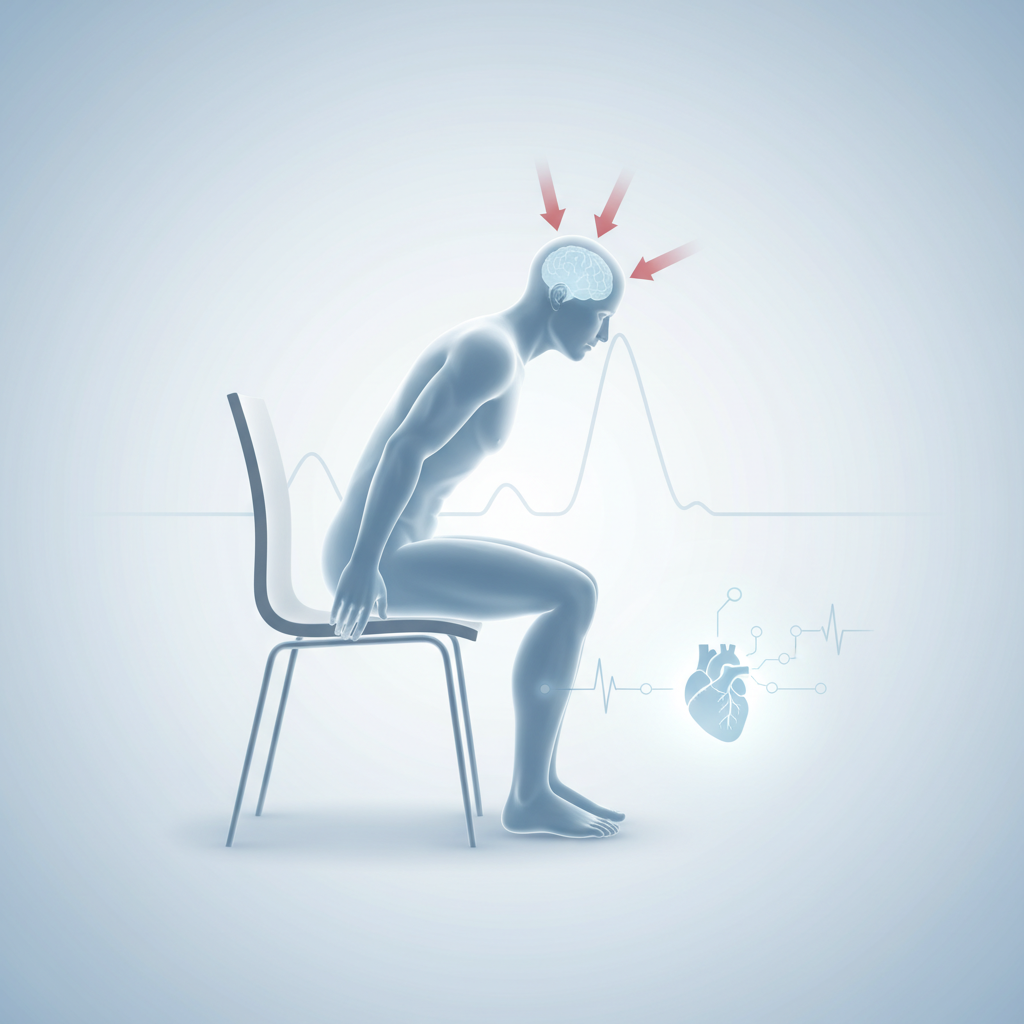
If You Get Dizzy When Standing Up, You May Have This Condition
That brief, lightheaded sensation you get when you stand up too quickly is something many people experience occasionally. It might feel like the room is spinning for a moment, or you might see stars. While often harmless, if this dizzy spell happens frequently or is severe, it could be a sign of an underlying condition known as orthostatic hypotension.
Understanding this condition is the first step toward managing its symptoms and addressing its root causes. Orthostatic hypotension, also called postural hypotension, is a form of low blood pressure that happens when you stand up from sitting or lying down. Let's explore what it is, what causes it, and how it relates to your body's complex systems.
What is Orthostatic Hypotension?
At its core, orthostatic hypotension is defined by a significant drop in blood pressure upon standing. When you stand up, gravity pulls blood down into your legs and abdomen. Normally, your body has a rapid response system to counteract this. Special cells called baroreceptors sense the change in blood pressure and send signals to your brain. Your brain then instructs your heart to beat faster and your blood vessels to narrow, pushing more blood upward to ensure your brain gets a steady supply of oxygen.
In someone with orthostatic hypotension, this response system is impaired. The blood vessels don't constrict enough, or the heart rate doesn't increase sufficiently. As a result, blood pressure drops, and the brain is temporarily deprived of adequate blood flow. This leads to the characteristic symptoms of dizziness and lightheadedness. A clinical diagnosis is typically made when there's a drop of at least 20 millimeters of mercury (mm Hg) in systolic pressure (the top number) or 10 mm Hg in diastolic pressure (the bottom number) within three minutes of standing.
Common Symptoms Beyond Dizziness
While dizziness is the most well-known symptom, orthostatic hypotension can manifest in several other ways. Recognizing these can help you understand what's happening in your body. Some people may not feel dizzy at all but experience other effects of reduced blood flow to the brain and other organs.
- Lightheadedness or Fainting (Syncope): This is the most common symptom, ranging from a feeling of being off-balance to a complete loss of consciousness.
- Blurry Vision: A temporary lack of blood flow to the eyes can cause vision to blur or "gray out" for a few seconds.
- Weakness or Fatigue: A general feeling of weakness, especially in the legs, can accompany the shift in posture.
- Confusion or Difficulty Concentrating: The brain needs consistent oxygen to function properly, and a momentary dip can lead to mental fogginess.
- Nausea: Some individuals may feel queasy or nauseous during an episode.
- Headache: A dull ache, particularly in the back of the head or neck, can occur.
These symptoms are typically brief and resolve once you sit or lie back down, which helps restore normal blood flow to the brain. However, the risk of falling and sustaining an injury during an episode is a significant concern, especially for older adults.
What Causes This Sudden Drop in Blood Pressure?
Orthostatic hypotension isn't a disease itself but rather a sign of an underlying issue. The causes are varied and can range from simple, temporary factors to more serious, chronic conditions. Understanding the potential cause is crucial for proper management.
Common and Reversible Causes:
- Dehydration: This is one of the most frequent culprits. When you don't have enough fluid in your body, your blood volume decreases. Lower blood volume means lower blood pressure, making it harder for your body to adjust to postural changes. Vomiting, diarrhea, fever, and not drinking enough water can all lead to dehydration.
- Medications: Many prescription drugs can cause orthostatic hypotension as a side effect. These include diuretics (water pills), beta-blockers, alpha-blockers, ACE inhibitors used for high blood pressure, antidepressants, and medications for Parkinson's disease or erectile dysfunction.
- Prolonged Bed Rest: Being immobile for an extended period can decondition your body's autonomic nervous system, making it less responsive to changes in posture.
- Heat Exposure: High temperatures can cause blood vessels to dilate and lead to fluid loss through sweating, both of which can lower blood pressure.
Underlying Medical Conditions:
- Heart Problems: Conditions like bradycardia (an abnormally slow heart rate), heart valve problems, or heart failure can impair the heart's ability to pump enough blood when you stand.
- Endocrine Disorders: Adrenal insufficiency (Addison's disease), thyroid problems, and diabetes can disrupt the hormones that help regulate blood pressure. Diabetes can also cause damage to the nerves that control blood vessel constriction.
- Neurological Disorders: Conditions that affect the autonomic nervous system, such as Parkinson's disease, multiple system atrophy, and pure autonomic failure, are often associated with chronic orthostatic hypotension.
Understanding the Autonomic Nervous System's Role in Blood Pressure
To truly grasp why orthostatic hypotension happens, it helps to understand the system that's supposed to prevent it: the autonomic nervous system (ANS). This is the part of your nervous system that controls involuntary bodily functions—things you don't have to think about, like breathing, digestion, and, most importantly here, blood pressure regulation. It's the body's internal autopilot.
The ANS has two main branches: the sympathetic and the parasympathetic. The sympathetic nervous system is your "fight or flight" response. It kicks into gear during stress, exercise, or when you stand up. It's responsible for increasing your heart rate and constricting your blood vessels to maintain blood pressure. The parasympathetic system is the "rest and digest" side, which slows things down. A healthy balance between these two is essential for a stable internal environment.
When you stand, gravity is the stressor. The ANS should immediately activate its sympathetic branch. Baroreceptors in your arteries detect the drop in pressure and fire off signals. In a fraction of a second, your brain processes this and sends commands back via sympathetic nerves to your heart and blood vessels. This intricate, lightning-fast feedback loop is what keeps you from getting dizzy every time you get out of a chair. Orthostatic hypotension occurs when there's a breakdown anywhere in this communication pathway—whether it's with the sensors, the wiring (nerves), or the responders (heart and blood vessels).
Related Questions and Topics
What's the Difference Between Orthostatic Hypotension and POTS?
Orthostatic hypotension (OH) and Postural Orthostatic Tachycardia Syndrome (POTS) are often confused because they both involve symptoms that occur upon standing. However, they are distinct conditions with different diagnostic criteria. The key difference lies in what happens to the heart rate and blood pressure.
In orthostatic hypotension, the defining feature is a significant drop in blood pressure upon standing. While the heart rate may increase slightly, it's not enough to compensate for the pressure drop. The primary problem is the failure to maintain blood pressure.
In POTS, the defining feature is an excessive and sustained increase in heart rate (tachycardia) upon standing, without a significant drop in blood pressure. To be diagnosed with POTS, an adult's heart rate must increase by at least 30 beats per minute (or to above 120 bpm) within 10 minutes of standing. While people with POTS can feel dizzy, lightheaded, and fatigued, their blood pressure generally remains stable. The body overcompensates with a rapid heart rate to maintain that pressure, leading to its own set of debilitating symptoms.
Can Simple Dehydration Cause These Symptoms?
Absolutely. Dehydration is one of the most common and easily correctable causes of dizziness upon standing. Your blood is mostly water, and when your body's fluid levels are low, your total blood volume decreases. Think of it like a plumbing system with not enough water in the pipes; the pressure is naturally lower. When you stand up, your body struggles to pump that reduced volume of blood up to your brain against gravity.
This can cause temporary orthostatic hypotension even in perfectly healthy individuals. It's particularly common in the morning after a long night without fluids, after intense exercise, during hot weather, or when you're sick with a fever, vomiting, or diarrhea. The good news is that if dehydration is the sole cause, symptoms can often be resolved by rehydrating with water and electrolytes. If you notice your dizziness is worse on days when you haven't had enough to drink, this might be the first and simplest area to address.
When Is It Time to See a Doctor?
Occasional, mild lightheadedness upon standing may not be a cause for concern. However, you should consult a healthcare provider if the symptoms are frequent, severe, or worsening. It is particularly important to seek medical advice if the dizziness leads to fainting, falls, or confusion.
A doctor can perform a proper evaluation, which may include measuring your blood pressure while sitting and standing, blood tests to check for things like anemia or dehydration, and possibly an electrocardiogram (ECG) to check your heart's rhythm. Identifying the underlying cause is key, as treatment for orthostatic hypotension caused by medication will be very different from treatment for a neurological condition. A professional diagnosis is essential to rule out more serious issues and develop an appropriate management plan.
Conclusion
Feeling dizzy when you stand up is a common experience, but when it becomes a regular occurrence, it often points to orthostatic hypotension. This condition is characterized by a drop in blood pressure upon standing, caused by a malfunction in the body's autonomic response system. The causes can range from simple dehydration and medication side effects to more complex heart, endocrine, or neurological disorders. Understanding the symptoms and potential causes is the first step toward addressing the issue. If you experience frequent or severe dizziness, consulting a healthcare professional is crucial for an accurate diagnosis and effective management plan to ensure your safety and well-being.