Understanding Pay As You Drive Insurance: What to Expect in 2026
Discover how Pay As You Drive insurance works in 2026! This innovative approach to auto coverage allows drivers to pay premiums based on their actual driving habits, potentially offering cost savings.
Understanding Pay As You Drive Insurance in 2026
Navigating the world of car insurance options can feel overwhelming, especially with rapidly changing technology and consumer preferences shaping the industry. One innovative option that has gained significant traction in 2026 is "Pay As You Drive" (PAYD) insurance. This dynamic approach to auto insurance promises to align premiums more closely with actual driving habits and vehicle usage, offering potentially substantial savings for savvy drivers.
What is Pay As You Drive Insurance?
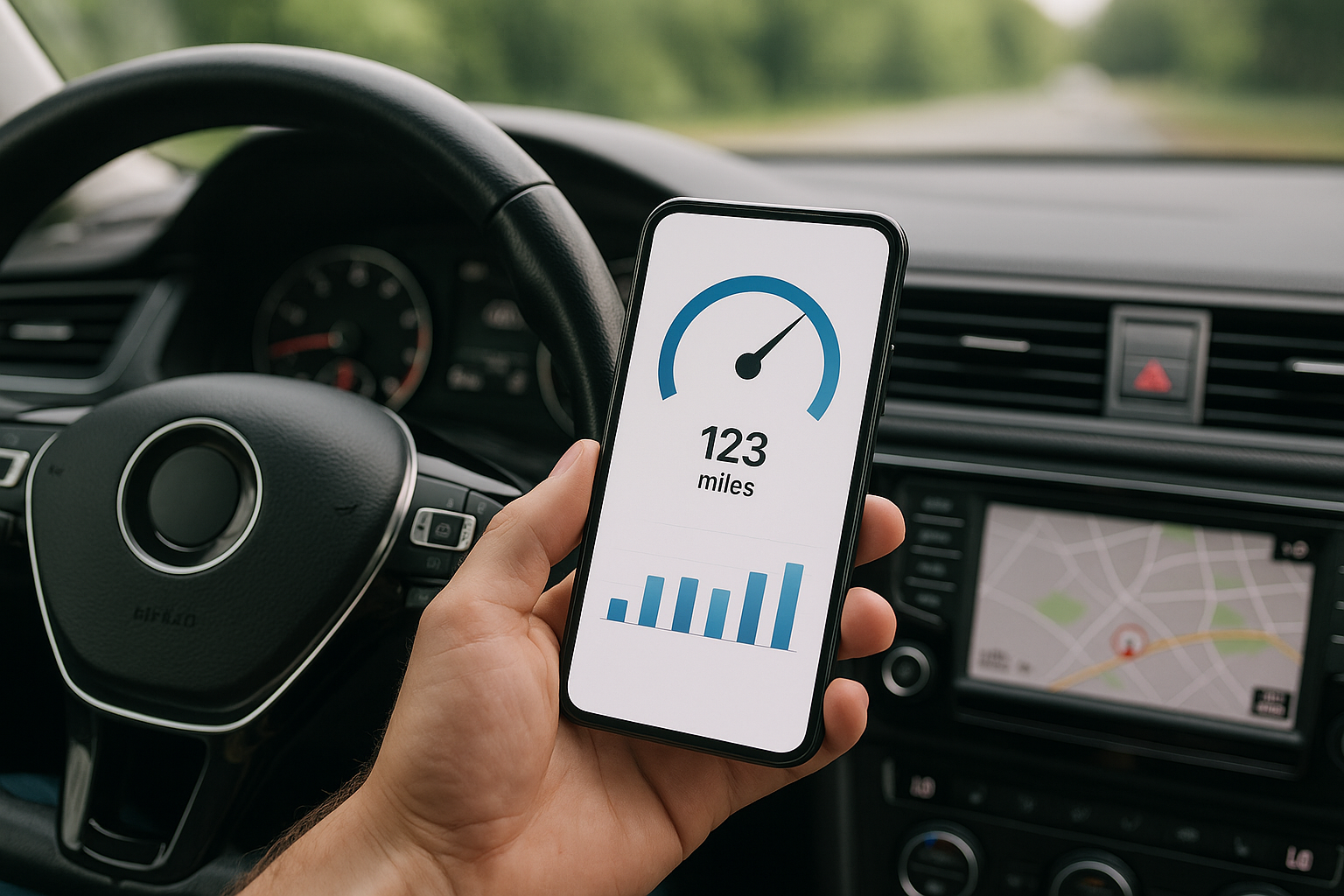
Pay As You Drive insurance is a model that calculates your insurance premiums based on the actual miles you drive, rather than a flat rate or estimated mileage. It leverages advanced telematics systems embedded in vehicles or through standalone devices to gather real-time data about your driving habits.
How Does PAYD Work?
At its core, PAYD insurance is based on usage-based insurance technology, harnessing telematics to track various indicators:
- Distance Driven: The core metric, your monthly or yearly mileage directly affects your insurance premium.
- Driving Behavior: Factors such as speed, acceleration, braking patterns, and time of day when driving can influence pricing adjustments for safer or riskier drivers.
Once the data is collected, it's transmitted to your insurer who then calculates the premium. Typically, drivers are billed monthly, providing financial flexibility and immediate feedback on driving habits.
Key Questions and Answers
Is PAYD insurance cheaper?
For many drivers, PAYD can indeed be more economical compared to traditional insurance policies. Since premiums are directly correlated with how much and how well you drive, it rewards those who drive less frequently or exhibit safer driving practices. According to a recent survey conducted by the Insurance Research Council in 2026, up to 60% of PAYD users reported a decrease in their annual insurance expenditure.
Who Benefits Most?
PAYD insurance is particularly attractive to specific groups of people:
- Infrequent Drivers: Individuals who use their car sparingly can save significantly.
- Urban Commuters: Those living in densely populated areas with efficient public transport systems who drive less.
On the contrary, regular long-distance travelers or drivers with aggressive driving habits might not benefit as much from this type of plan.
How Secure is My Driving Data?
Understandably, privacy is a concern when it comes to telematics. Insurers are bound by regulations that require strict data security measures to protect user data. Driving information is anonymized and stored securely, with usage restricted solely to premium calculations. Transparency policies require insurers to disclose what data is collected and how it is employed.
Real-World Examples of PAYD Success
A case study from a major insurance provider in 2026, Progressive's Snapshot® program, illustrates the benefits of PAYD. Over a monitored period, users who improved their driving behavior saw up to a 25% reduction in insurance costs, reflecting the adaptable and responsive nature of PAYD schemes.
The PATH Forward: Projections and Trends
As we look into the future of PAYD insurance, trends suggest a continuation of integration with smart vehicle technologies. By 2026, nearly 75% of new vehicles are equipped with advanced telematics systems required for PAYD plans. Expect growth in personalized policy offerings that use AI predictions based on vast data points to propose even more tailored insurance packages [source].
Conclusion
Pay As You Drive insurance aligns well with the modern move towards personalization and sustainability in consumer services. As insurance technology evolves, PAYD plans offer an enticing and potentially cost-saving model for conscientious drivers. Understanding its workings enables you to make informed decisions, thus optimizing costs and enhancing your driving experience.