Understanding Pet Insurance: Coverage for Medications in Senior Dogs
Pet insurance can be a valuable asset for senior dog owners, especially when it comes to covering medication costs. While each pet insurance policy varies, many offer options that may include medication coverage for aging dogs.
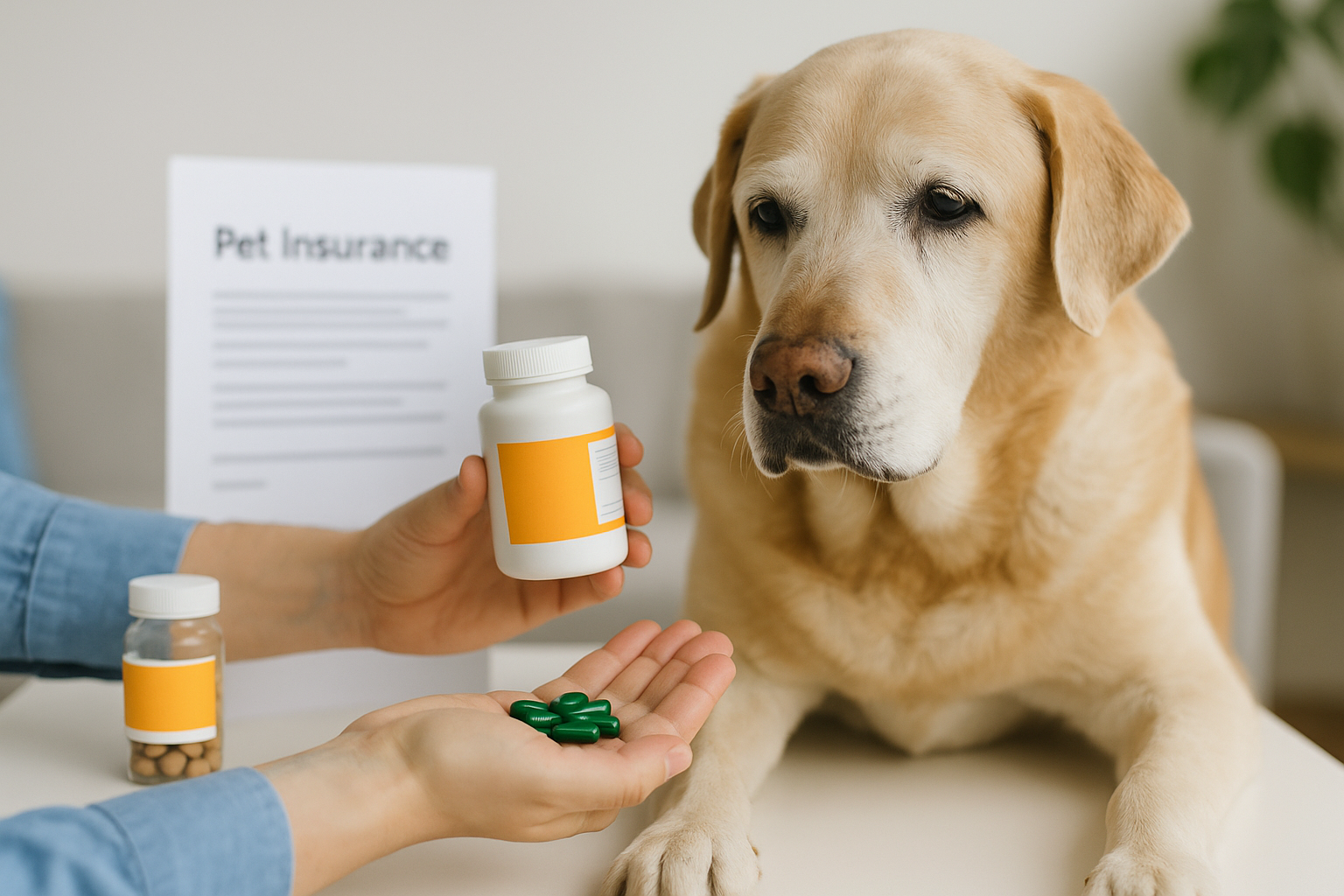
Understanding Pet Insurance for Senior Dogs
As our beloved dogs enter their golden years, ensuring their health and well-being becomes a top priority. One question that frequently arises among pet owners is, "Does pet insurance cover medication for senior dogs?" The answer is not straightforward and depends on the specifics of the insurance policy, including what type of medication is required and the plan you choose.
What Is Pet Insurance?
Pet insurance is similar to health insurance for humans, as it helps mitigate the financial burden of veterinary care. Typically, pet insurance policies cover a portion of the costs of illness or accident-related vet bills, ensuring that pets receive the best possible care without overwhelming their owners with expenses.
Types of Coverage Offered by Pet Insurance
When considering pet insurance, it's important to understand the different types of coverage available. Here are the main categories:
- Accident Coverage: This covers treatments resulting from accidents like fractures, lacerations, or ingestion of foreign objects.
- Illness Coverage: Covers costs related to diseases and illnesses that are not pre-existing, including diabetes, cancer, and infections.
- Wellness Coverage: Usually an add-on, it covers routine veterinary care such as vaccinations, flea control, and check-ups.
- Prescription Coverage: Depending on the policy, this may cover medications prescribed by a vet.
Medication Coverage for Senior Dogs
Medications can constitute a significant portion of senior dog care, as older dogs are more likely to develop chronic conditions such as arthritis, kidney disease, or heart problems. Whether pet insurance covers these medications depends on the plan and the insurer.
Check Policy Details
It's crucial to read the terms of your pet insurance policy carefully. Some plans only cover medications if they are necessary to treat illnesses covered by the policy. For instance, a plan that covers arthritis treatments will likely cover the medications for this condition, including pain relief and anti-inflammatory drugs.
Exclusions and Limitations
Be aware of common exclusions such as pre-existing conditions. Many insurers do not cover treatments for conditions that your pet had before the policy was agreed upon. Some plans might also have caps on the amount paid out for medications annually.
Choosing the Right Coverage
Selecting the right insurance for a senior dog involves evaluating their specific health needs and potential future conditions:
Consider Your Dog’s Medical History
Older dogs might have a history of certain illnesses. Look for a plan that provides extensive illness coverage if your dog has been prone to health issues in the past.
Budget for Premiums
Policies with lower premiums might come with higher out-of-pocket costs or less comprehensive coverage. Consider how much you can afford both for the monthly premium and the potential medication costs.
Consult Your Veterinarian
Get guidance from your vet. They can help predict future healthcare needs and suggest insurance coverage accordingly.
The Role of Research and External Advice
Use online resources to thoroughly research insurance companies and their plans. Websites like PetInsuranceReview compare different insurers based on user reviews and coverage options.
Be sure to consult government and veterinary bodies for unbiased advice. A report by the American Veterinary Medical Association can offer insights into industry standards and policy options.
Real-World Coverage Examples
Let's consider two hypothetical scenarios:
Scenario 1: Comprehensive Coverage
Sandra has a senior Labrador Retriever diagnosed with arthritis. Her comprehensive pet insurance covers 80% of the medication recommended by the vet. This reduces her monthly prescription expenses significantly, allowing her to afford physical therapy as well.
Scenario 2: Limited Coverage
Tom, who opted for a less expensive plan, has a senior Beagle with heart disease. His insurance does not cover medications because his plan was meant for accidental injuries only. As a result, Tom needs to pay for medications out-of-pocket, highlighting the importance of choosing a policy that matches the medical needs of the pet.
Conclusion: Is Pet Insurance Worth It for Senior Dogs?
Ultimately, deciding whether or not pet insurance is worth it for senior dogs involves weighing the premiums against potential healthcare costs. While not all policies may cover medications, those that do can offer significant financial relief. Always review policy details, consider future health risks, and seek expert advice before committing.
By staying informed and selecting the right insurance plan, you can ensure that your senior dog receives the necessary medications they need and deserves without financial strain.