Understanding Pet Insurance Coverage for Senior Pets: What You Need to Know About Vet Bills
Exploring pet insurance options for your senior pet? Many plans offer coverage for vet bills that arise with age, but specifics can vary. It's crucial to understand what each pet insurance policy includes so you're prepared for any future vet visits.
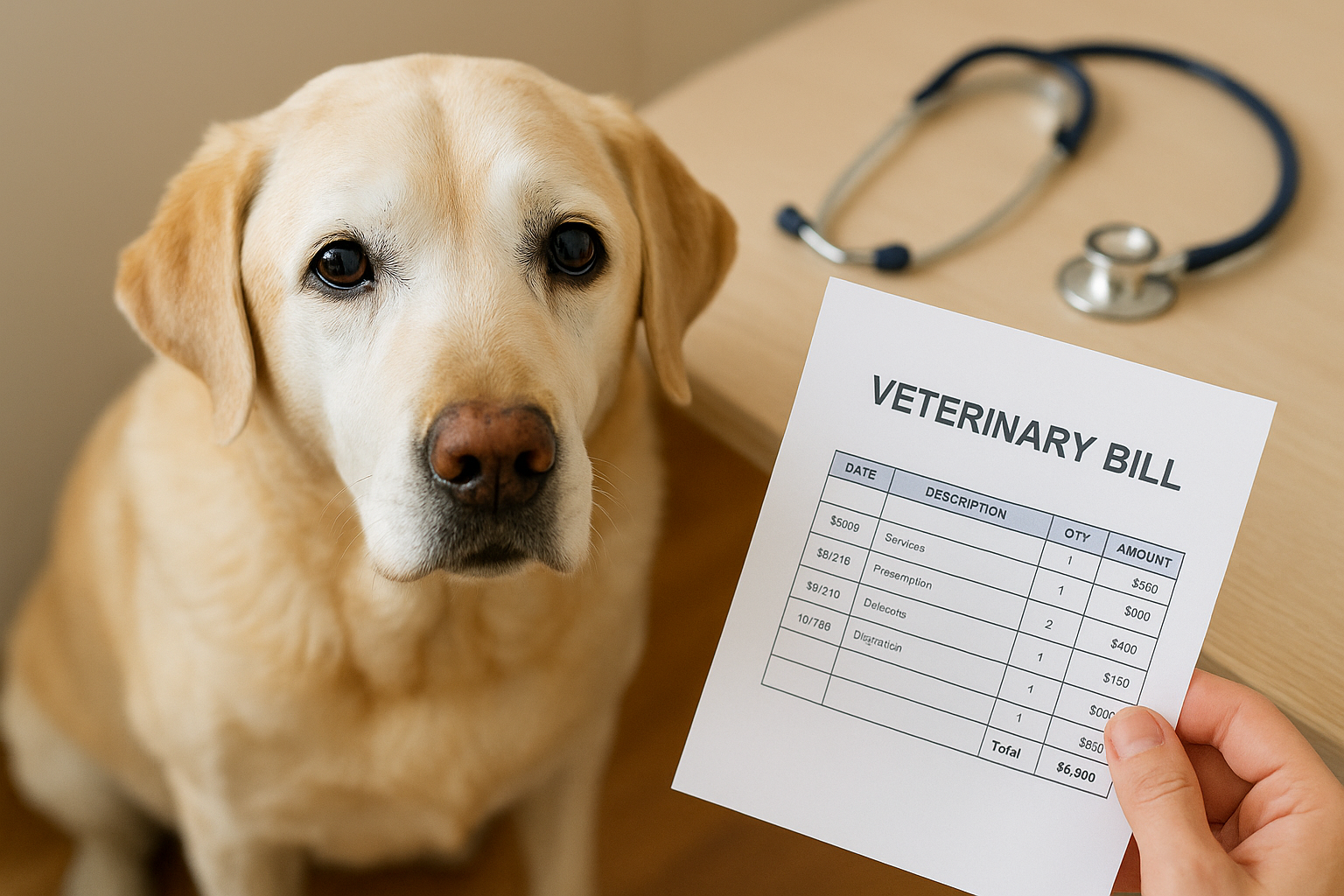
Understanding Pet Insurance: What's Covered?
Pet insurance is a type of health insurance for your furry companions that helps cover the cost of veterinary care. Whether you've got a young puppy or kitten or a lovable senior pet, understanding what your policy covers can be crucial, especially when it comes to vet bills. But what about older pets? Does pet insurance cover vet bills for senior pets? Let's dive into the details.
What is Pet Insurance?
Pet insurance works similarly to human health insurance. You pay a monthly premium to an insurance provider, and in return, they help cover a portion of your pet’s medical costs. The coverage can vary, based on the type and age of your pet, and the specific conditions outlined in your policy. Common areas that may be covered include accidents, illnesses, surgeries, and sometimes preventive care.
Coverage for Senior Pets: What You Need to Know
Senior pets, generally those over the age of 7, may face different health challenges compared to their younger counterparts. This means coverage specifics might differ. Most policies cover senior pets, but the extent of coverage can be limited, especially if chronic or pre-existing conditions are involved.
- Accidents: Coverage often includes accidents regardless of age, making this a crucial benefit for senior pets who might be less agile or adventurous.
- Illnesses: While many policies cover illnesses, coverage might be restricted for chronic conditions that commonly affect older pets.
- Pre-existing Conditions: Unfortunately, conditions that have occurred before the start of the policy are rarely covered.
- Routine Care: Some plans offer wellness add-ons covering routine care, which can be beneficial for regular check-ups common in senior pet healthcare.
Why Consider Pet Insurance for Senior Pets?
The veterinary care costs for senior pets tend to be higher, given the increased likelihood of chronic conditions and health issues. Pet insurance helps mitigate these costs, ensuring your pet gets the care they need without financial strain. Here are some reasons to consider signing up:
- Aging Issues: Older pets are more prone to conditions like arthritis, diabetes, and cancer, which can be expensive to treat.
- Peace of Mind: Insurance provides a safety net, allowing you to focus on your pet's health instead of worrying about expenses.
- Customization: Many providers offer plans specifically tailored to older pets, allowing coverage options that prioritize their typical health needs.
How to Choose the Right Pet Insurance for Senior Pets
When choosing a pet insurance policy for your senior pet, there are several factors to consider to ensure comprehensive coverage:
- Policy Limits: Be aware of maximum payouts and sub-limits for specific conditions or treatments.
- Exclusion Clauses: Understand what isn't covered, particularly regarding pre-existing conditions.
- Age Restrictions: Some insurers might limit new policies or specific coverages based on the age of your pet.
- Deductibles and Premiums: Balance between affordable premiums and reasonable deductibles. Lower premiums might have higher deductibles and vice versa.
Real-World Example: A Case Study of Senior Pet Insurance Use
Consider 'Max', a 10-year-old Labrador. With aging came arthritis, affecting his daily activities. Max's owner had opted for a comprehensive pet insurance plan covering chronic conditions. As veterinary visits became more frequent and medications piled up, insurance covered 80% of the expenses, sparing Max's owner significant financial burden. This relieved Max's family, enabling them to provide quality care without worry. This example underscores the importance of thorough insurance for senior pets’ unpredictable needs.
Industry Insights and Statistics
In 2026, a survey by the North American Pet Health Insurance Association (NAPHIA) noted that over 3 million pets in North America are insured, with a growing trend in coverage for older pets due to rising awareness. With advancements in veterinary medicine, pet insurance is evolving, offering more tailored plans for senior pets, capturing approximately 25% of new policies in 2026, as reported by NAPHIA.
Conclusion: Is Pet Insurance Worth It for Senior Pets?
Pet insurance for senior pets is often a wise investment, as it provides financial protection and access to necessary healthcare. When unexpected illnesses or accidents occur, having a responsive insurance plan can be invaluable. However, evaluating each policy's specifics, particularly in relation to your pet's unique needs, ensures the most effective coverage. Ultimately, keeping your senior pet healthy and happy is the top priority, and the right insurance could make all the difference.
For more resources on selecting the best pet insurance, consult trusted sources like NAPHIA and Pet Insurance Quotes.