Understanding Pet Insurance Coverage in the USA: What You Need to Know
Are you curious about what pet insurance covers in the USA? Discover how different policies handle routine check-ups, emergency care, and chronic conditions. Pet insurance can help with unexpected costs, but what exactly is included can vary widely.
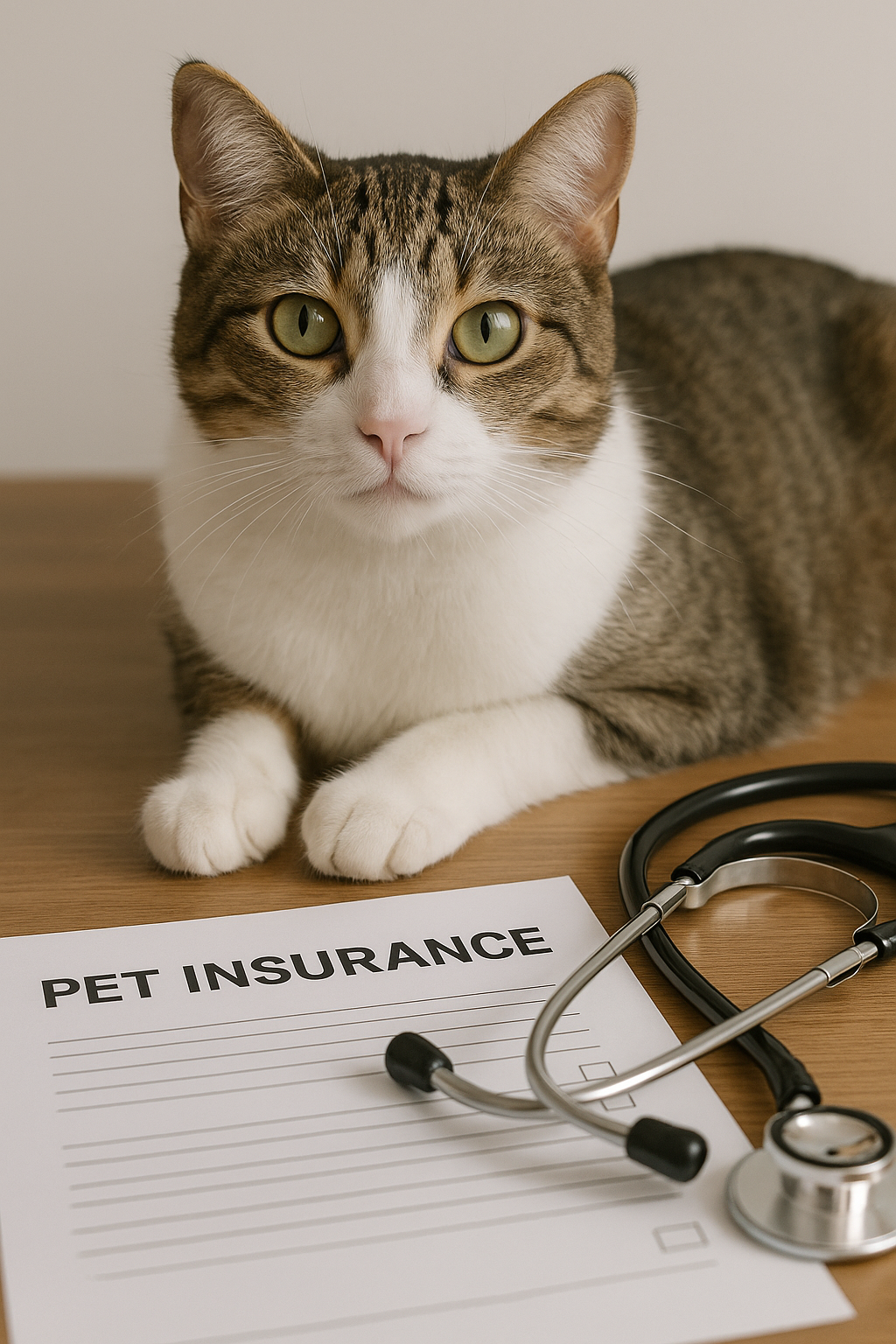
Understanding Pet Insurance: What Does It Cover in the USA?
Pet insurance is becoming an increasingly popular choice for pet owners in the United States, providing peace of mind by helping to alleviate the financial burden of unexpected veterinary costs. As a pet owner, understanding the specifics of what pet insurance covers is crucial to making informed decisions that could ultimately impact the health and longevity of your beloved animal companions.
Why Consider Pet Insurance?
The cost of veterinary care has been on the rise. According to recent data from the American Pet Products Association, Americans are expected to spend over $40 billion on veterinary care in 2026. This increased spending is due in part to advancements in veterinary medicine, which, while life-saving, can be costly. Pet insurance helps mitigate these expenses, offering a financial safety net that can make advanced care more accessible to pet owners.
Basic Coverage Offered by Pet Insurance
At its core, pet insurance typically covers unexpected illnesses and injuries, but policies can vary widely. Most standard plans will cover:
- Accidental Injuries: Coverage often includes treatment for injuries resulting from accidents such as fractures, bite wounds, and ingestion of foreign objects.
- Illnesses: This includes illnesses like infections, digestive issues, allergies, and chronic conditions like diabetes or arthritis.
- Hereditary and Congenital Conditions: Many policies cover hereditary conditions, which are often excluded unless under a comprehensive plan. These can include heart disease, hip dysplasia, and specific breed-related conditions.
- Surgery and Hospitalization: Surgical procedures, hospital stays, and related diagnostics are typically included in coverage.
Additional Coverage Options
In addition to the basic benefits, pet owners have the option to customize their plans with additional types of coverage, which may include:
- Wellness and Preventive Care: These plans cover routine check-ups, vaccinations, flea control, and dental cleanings. While these are preventive expenses, adding this coverage can help manage regular care costs.
- Behavioral Treatment: Some insurers offer coverage for behavioral modifications if your pet needs professional training to address issues like aggression or anxiety.
- Alternative Therapies: Coverage for alternative care like acupuncture, chiropractic treatments, and hydrotherapy is becoming more common, reflecting the growing demand for holistic pet care.
- Prescription Medications and Food: Several policies extend to cover prescribed medications and, in some cases, prescribed dietary essentials required for treatment.
Exclusions and Limitations
It is crucial for pet owners to be aware of what is not covered by most pet insurance policies. Some common exclusions include:
- Pre-existing Conditions: Any health condition that your pet has been diagnosed with or shown symptoms of before the policy start date typically won't be covered.
- Elective Procedures: Cosmetic surgeries or procedures deemed non-essential, like ear cropping or declawing, are generally excluded.
- Breeding-Related Expenses: Costs related to breeding, pregnancy, and delivery are often not covered.
Each policy will have its own specific exclusions, so it is essential to read the fine print carefully to understand what your potential out-of-pocket costs might be.
Choosing the Right Insurance Plan for Your Pet
When deciding on a pet insurance plan, pet owners should consider several factors:
- Evaluate the Coverage: Compare what is covered and what isn’t across different providers, and choose a plan that aligns with your pet's health needs and your budget.
- Consider Your Pet's Health and Age: Younger and healthier pets may benefit from coverage that focuses on future risks, while older pets might need more comprehensive illness and injury protection.
- Budget Considerations: Take into account monthly premiums, deductibles, reimbursement levels, and annual coverage limits.
Recent Trends and Market Insights for 2026
The pet insurance market in 2026 continues to grow, with more pet owners recognizing its value. A report from Grand View Research indicates the global pet insurance market is projected to expand at a compound annual growth rate (CAGR) of over 16% from 2023 to 2030. This growth is driven by increased pet ownership rates and a heightened willingness among pet owners to invest in the health of their pets.
Conclusion: Is Pet Insurance Worth It?
The decision to invest in pet insurance boils down to considerations of financial security, peace of mind, and the level of risk acceptable to you as a pet owner. With the right policy, pet insurance can be a valuable tool to ensure your pet gets the medical care they need without causing a financial strain. Carefully assessing your options and determining what level of coverage makes sense for your situation is, undoubtedly, a prudent step towards responsible pet ownership.