Understanding Pet Insurance for Older Dogs with Health Concerns
Wondering if pet insurance covers older dogs with health issues? While pet insurance options vary, many policies provide some coverage for senior dogs and specific health conditions.
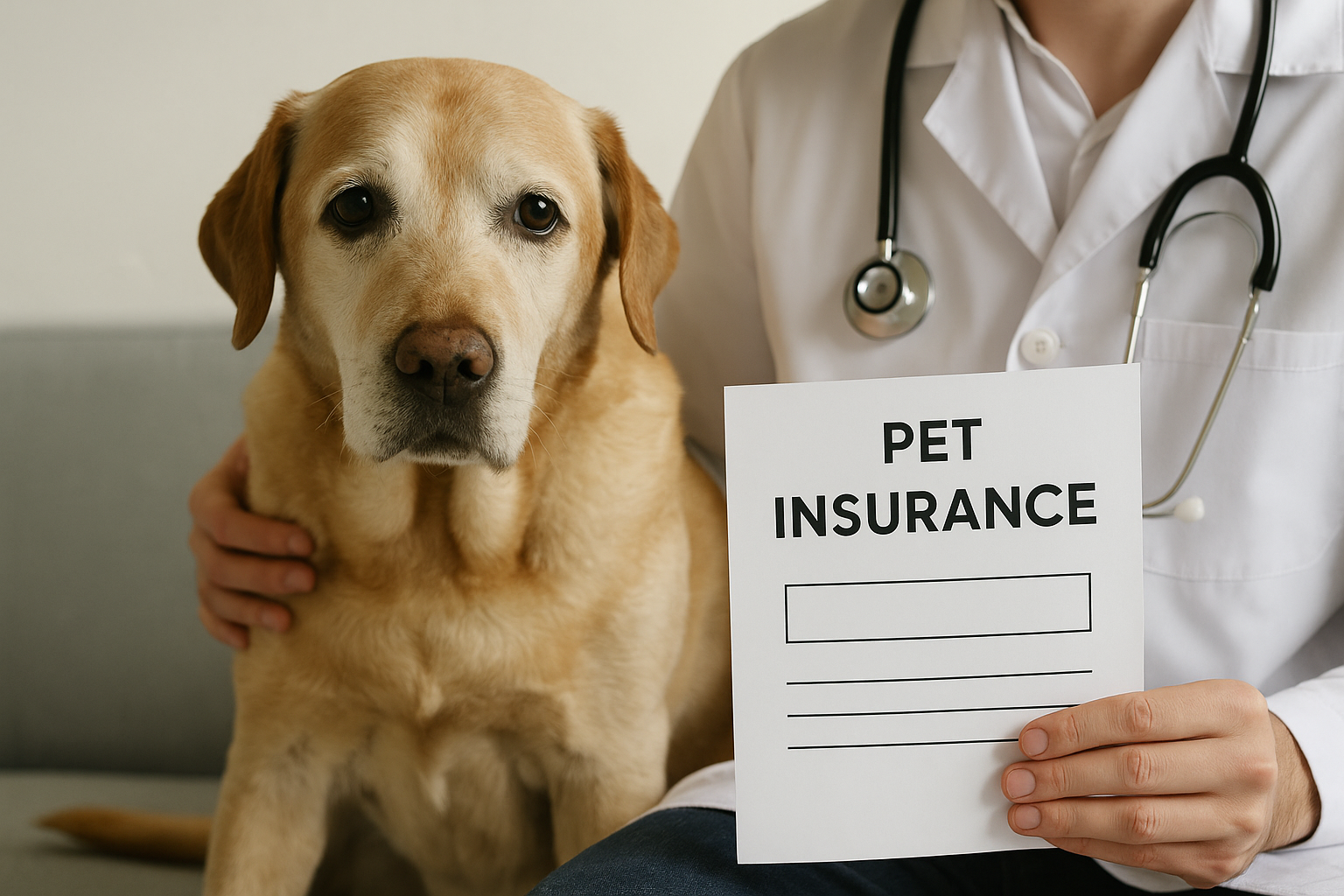
Understanding Pet Insurance for Older Dogs with Health Issues
Pet insurance can be a lifesaver when it comes to managing the healthcare costs of your furry friend, but how does it work when it comes to older dogs with existing health issues? This is a common concern for pet owners, as older dogs often face a range of health challenges. In this article, we'll explore how pet insurance approaches coverage for older dogs and what factors come into play.
What is Pet Insurance?
Pet insurance is a type of coverage designed to help offset veterinary costs. Policies vary in terms of what they cover, including accidents, illnesses, and routine care. Coverage can be particularly important for older dogs, who tend to need more frequent veterinary attention. Most pet insurance policies work by reimbursing a percentage of the vet bill after the policyholder has paid the clinic directly.
Does Pet Insurance Cover Older Dogs?
Many pet insurance companies do offer coverage for senior dogs, but there are caveats. Coverage options and costs can vary significantly based on the age and health condition of the dog at the time of enrollment. Typically, policies that cover illness or accident are available, but some companies have age limits beyond which they do not issue new policies.
- Some insurers might refuse new policies for dogs over certain ages, often around 10-12 years old.
- Policies are often more expensive for older pets due to the increased risk of illnesses.
What Are Pre-Existing Conditions?
A major concern for pet owners of older dogs is how pre-existing conditions are treated. Insurers generally define a pre-existing condition as any illness or health issue that was present before the start of a new insurance policy or during a waiting period. Unfortunately, these conditions are usually not covered by new insurance policies.
Options for Covering Pre-Existing Conditions
While standard pet insurance policies do not cover pre-existing conditions, some insurers offer alternative plans:
- These provide partial reimbursements for certain conditions if they are not chronic or degenerative.
- Continuous Coverage: Once you have a policy in place, any new health problems that arise can potentially be covered.
If your dog suffers from ongoing health issues, maintaining a continuous insurance policy is often the best way to ensure coverage for new, unrelated conditions.
How to Choose the Right Policy?
Choosing the best insurance for your older dog requires careful consideration of several factors:
- Compare different policies to see which offer the best coverage for your pet’s specific health needs.
- Look for policies with no upper age limits or reasonable premium increases with age.
- Check for any exclusions regarding coverage for certain breeds more prone to health problems.
It’s also wise to consult reviews from other pet owners to understand how insurers handle claims and reimbursements.
Real-Life Examples
Consider the case of Daisy, an 11-year-old Labrador retriever. Daisy’s owner, John, purchased a pet insurance policy when Daisy was nine. Thanks to his diligence, Daisy’s diabetes diagnosis after the policy began was covered. John reports satisfaction with the coverage provided for Daisy’s insulin and check-ups.
Alternatively, Emily attempted to insure her 12-year-old pug, Max, after a serious heart murmur diagnosis. Unfortunately, she faced difficulty finding a policy that would cover such pre-existing conditions.
Latest Trends in Pet Insurance (2026)
According to Nationwide Insurance's 2026 report, there is an increasing trend in policies designed specifically for senior pets. These policies emphasize coverage for chronic conditions and personalized health care plans. Additionally, PetInsurer.com indicates that more companies are becoming flexible with pre-existing conditions, offering clauses for conditions that have been cured for a certain number of months or years.
Conclusion
While covering older dogs with health issues can be challenging, pet insurance offers solutions that can alleviate financial stress. By understanding policy limitations and options, and securing coverage as early as possible, pet owners can ensure they provide the best possible care for their older furry friends. It’s important to conduct thorough research and consider all options to maintain your pet’s health effectively without undue financial burden.