Understanding Pet Insurance Options for Senior Cats: What You Need to Know
Discover whether senior cats can receive full coverage pet insurance and what factors might affect this possibility. While options vary, understanding the key factors involved can help you navigate coverage options and make informed decisions.
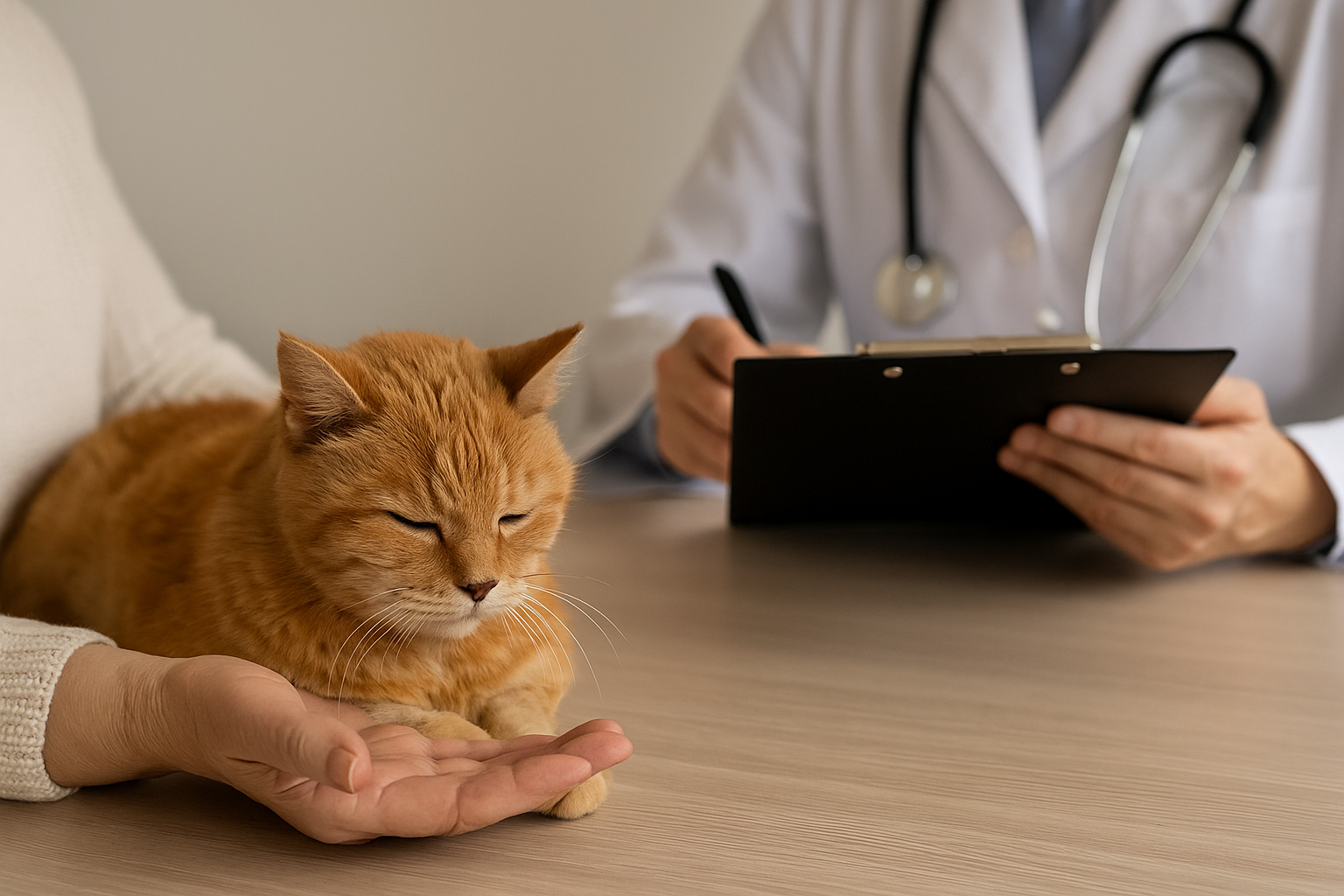
Understanding Pet Insurance for Senior Cats
Many pet owners find themselves asking, "Can senior cats get full coverage pet insurance?" The short answer is yes, but there are various factors to consider when it comes to insuring an older feline. Senior cats, typically those aged 7 years and above, can benefit immensely from having pet insurance, but options may vary based on the insurer and specific policies.
Why Consider Pet Insurance for Senior Cats?
Cats are living longer, healthier lives thanks to advancements in veterinary care and better awareness among pet owners. As they age, however, senior cats are more prone to developing health issues such as arthritis, kidney disease, diabetes, and dental problems. These conditions can require regular veterinary visits and potentially costly treatments. Pet insurance for senior cats can help mitigate these expenses, making it easier to provide the care they need.
Financial Protection Against Unexpected Costs
Unexpected health issues can arise at any time, and senior cats are no exception. Pet insurance provides a financial safety net to cover costs related to diagnostics, treatments, hospitalizations, and even prescription medications. This ensures that you can focus on providing your cat with the best possible care without worrying about the financial burden.
Peace of Mind
Having pet insurance gives you peace of mind that, in the event of an illness or accident, you are prepared. It reduces stress, knowing that there is support available to cover a portion or all of the veterinary costs, allowing you to make decisions based solely on your cat's health needs rather than financial constraints.
What to Look for in Pet Insurance for Senior Cats
Pet insurance policies can vary significantly, so it's crucial to choose one that best suits the needs of your senior cat. Here are some factors to consider:
- Coverage Types: Ensure the policy covers chronic conditions common in older cats, such as kidney disease or arthritis.
- Annual Limits: Look for policies with high or no annual payout limits to ensure comprehensive coverage for costly treatments.
- Waiting Periods: Be aware of waiting periods before coverage kicks in, especially for specific conditions common in older cats.
- Exclusions: Check for any exclusions, such as pre-existing conditions, which many policies exclude from coverage.
- Premium Costs: Expect higher premiums for senior cats, but weigh these costs against potential savings in veterinary expenses.
Common Challenges in Finding Insurance for Senior Cats
While it is possible to find full coverage for senior cats, there are challenges pet owners may face:
Pre-Existing Conditions
Many insurers do not cover pre-existing conditions. For senior cats, this can be a significant hurdle as they may already have a history of health issues. It's essential to thoroughly read the terms of any policy to understand exactly what is covered and what isn't.
Higher Costs
Insurance premiums tend to be higher for senior cats due to the increased risk of health problems. It’s important to compare different policies to find one that provides comprehensive coverage at a reasonable price.
How to Ensure Comprehensive Coverage
Here are some practical tips for ensuring that your senior cat receives the best possible coverage:
- Start Early: If possible, enroll your cat in a pet insurance plan before they reach their senior years to avoid exclusions on pre-existing conditions.
- Regular Veterinary Visits: Regular check-ups can help detect health issues early, making it more likely they are covered under insurance.
- Consider a Welfare Plan: Pairing insurance with a veterinary wellness plan can provide additional benefits such as routine care and vaccinations.
Choosing the Right Insurance Provider
There are numerous pet insurance providers available, each offering various plans tailored to different needs. Here are examples of some popular options that offer coverage for senior cats:
- Trupanion: Known for their comprehensive coverage with no payout limits, but may have higher premiums.
- Petplan: Offers customizable plans, including coverage for a wide range of illnesses common in older pets.
- Fetch by The Dodo: Provides competitive pricing and comprehensive coverage options.
Recent Data and Trends (2026)
Recent studies in 2026 demonstrate a growing trend among pet owners opting for insurance plans that include older animals. According to the North American Pet Health Insurance Association, coverage for senior pets has increased by 15% over the past year, revealing a significant interest in extending coverage to aging animal companions.
Moreover, a survey by The American Pet Products Association in 2026 indicated that 39% of cat owners are now considering or currently have insurance for their pet's later years, citing primary reasons like rising healthcare costs and increased illness risk.
Conclusion
While securing full coverage pet insurance for your senior cat can come with challenges such as higher premiums and pre-existing condition exclusions, it remains a wise decision for managing veterinary expenses and ensuring your furry friend gets the necessary care. By researching and selecting the right insurance policy, you can provide the best possible support for your senior cat's health and well-being.