Understanding Pet Insurance Options for Senior Pets with Pre-Existing Conditions
Discover which pet insurance options are available for senior pets with preexisting conditions. While many providers offer limited coverage, some policies include specific benefits that might help.
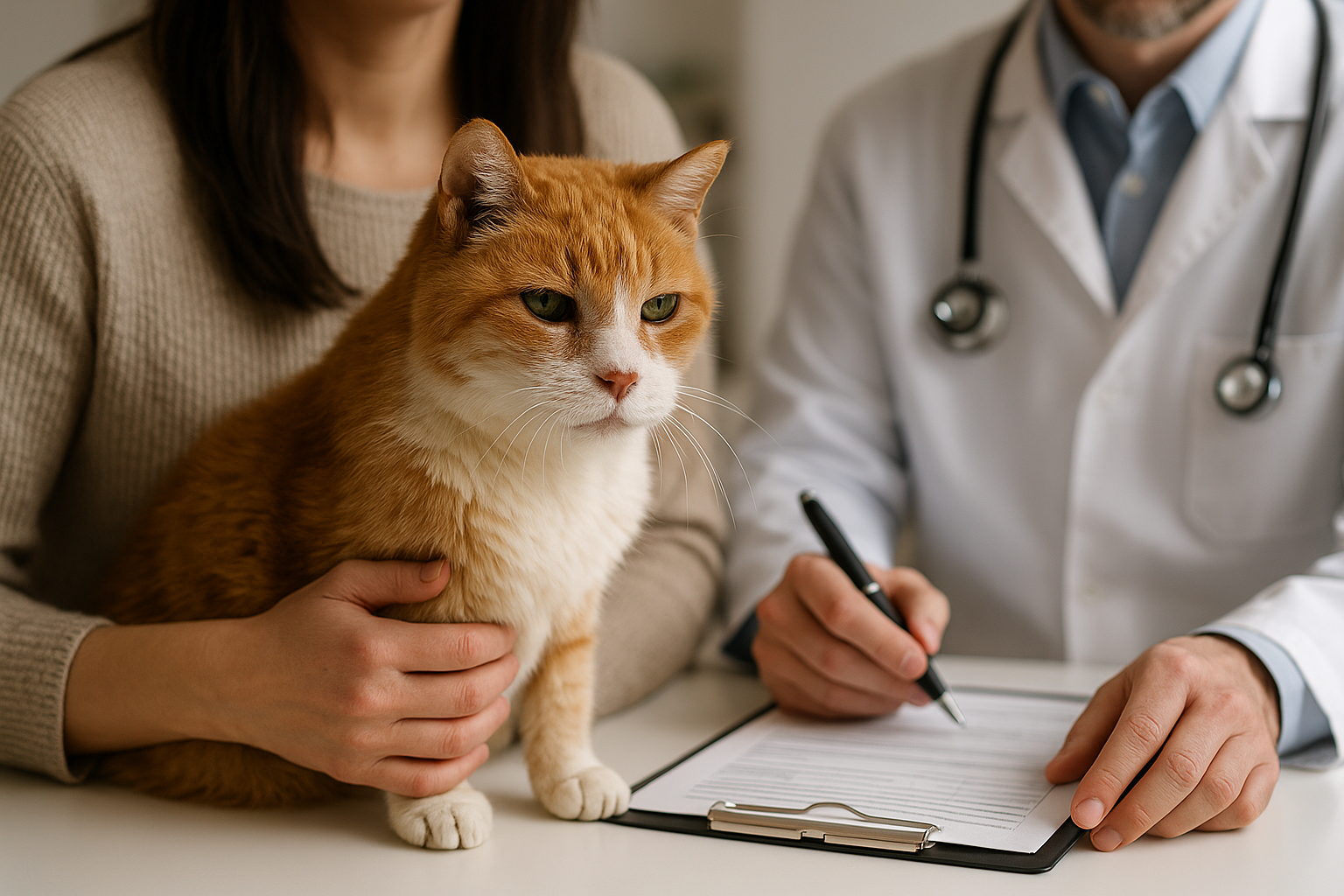
Understanding Pet Insurance for Senior Pets with Pre-Existing Conditions
Pet insurance is a safety net for unexpected medical costs, providing peace of mind that your furry friends are covered in case of an accident or illness. However, when it comes to senior pets with pre-existing conditions, pet parents often face additional challenges. This article explores what pet insurance covers for these beloved senior companions, ensuring they receive the necessary care without financial strain.
What Are Pre-Existing Conditions in Senior Pets?
Pre-existing conditions refer to any health issue or illness that a pet had before the start date of a new insurance policy. For senior pets, this can include a variety of health issues like arthritis, diabetes, heart disease, or previous injuries. Insurance companies often exclude these conditions from coverage, considering them too high risk.
Recent data in 2026 notes that approximately 68% of pet owners have senior pets with some form of pre-existing condition, which highlights the need for careful insurance planning (AVMA, 2026).
Do Insurance Companies Cover Senior Pets with Pre-Existing Conditions?
Most standard pet insurance plans do not cover pre-existing conditions outright. However, some insurers offer policies with modified coverage options that can accommodate senior pets with known medical histories. Such policies may not cover the pre-existing conditions directly but can be beneficial for managing future health incidents or unrelated health problems.
Types of Coverage Available
- Accident-Only Coverage: This type of plan covers costs associated with accidents like broken bones or poisoning, rather than illnesses.
- Time-Limited Plans: These plans cover conditions, including new emerging ones, for a set period, typically 12 months.
- Maximum Benefit Policies: These policies cover conditions up to a maximum amount per condition or within the same illness group.
How to Find the Right Insurance for Senior Pets
Navigating the pet insurance landscape can be challenging, especially for senior pets with health issues. Here are steps to help find a suitable policy:
1. Evaluate the Pet’s Health Needs
Consider the current and potential future healthcare needs of your senior pet. Make a list of current medications, ongoing treatments, and any chronic conditions needing attention. This will help you understand what coverage gaps might exist.
2. Compare Different Insurance Options
Use comparison tools and reviews to evaluate insurance providers based on how they handle pre-existing conditions. Companies like PetsBest and Trupanion offer tailored plans and good customer support for older pets.
3. Read the Fine Print
Each insurance policy has its terms and conditions, and it’s crucial to understand the exclusions and limits. Thoroughly reading the fine print ensures there are no surprises regarding coverage and claims.
4. Consult with Your Veterinarian
Veterinarians can provide invaluable insights into which insurance providers offer the most value for money based on your pet's specific health conditions and needs.
About Pet Insurance Costs for Senior Pets
Insurance premiums for senior pets tend to be higher due to increased risk. Based on 2026 data, the average annual cost for insuring a senior dog is around $600-$900, while it’s slightly lower for cats, averaging $450-$700 (Pet Insurance Review, 2026).
- Factors Influencing Premiums: Age, breed, location, and health condition all play roles in determining the cost of premiums.
- Ways to Save: Opt for higher deductibles or limited coverage plans tailored to your needs to manage costs effectively.
Conclusion: Making an Informed Decision
Deciding on pet insurance for a senior pet with pre-existing conditions requires thorough research and careful evaluation of available options. Understanding the types of coverage, examining costs, and considering the specific health needs of your pet are integral steps in making an informed decision. By proactively seeking reliable insurance options, you can ensure that your senior pet receives the best possible care while managing financial expectations effectively.
Ultimately, the right insurance policy acts as a partnership between you and your pet's healthcare needs, providing reassurance and support through their golden years.