Understanding Recovery and Rehabilitation After Knee Replacement Surgery
Curious about life after knee replacement surgery? Discover key insights into recovery and rehabilitation that can help you prepare for your journey ahead. While experiences vary, gaining understanding of the typical progress can provide peace of mind.
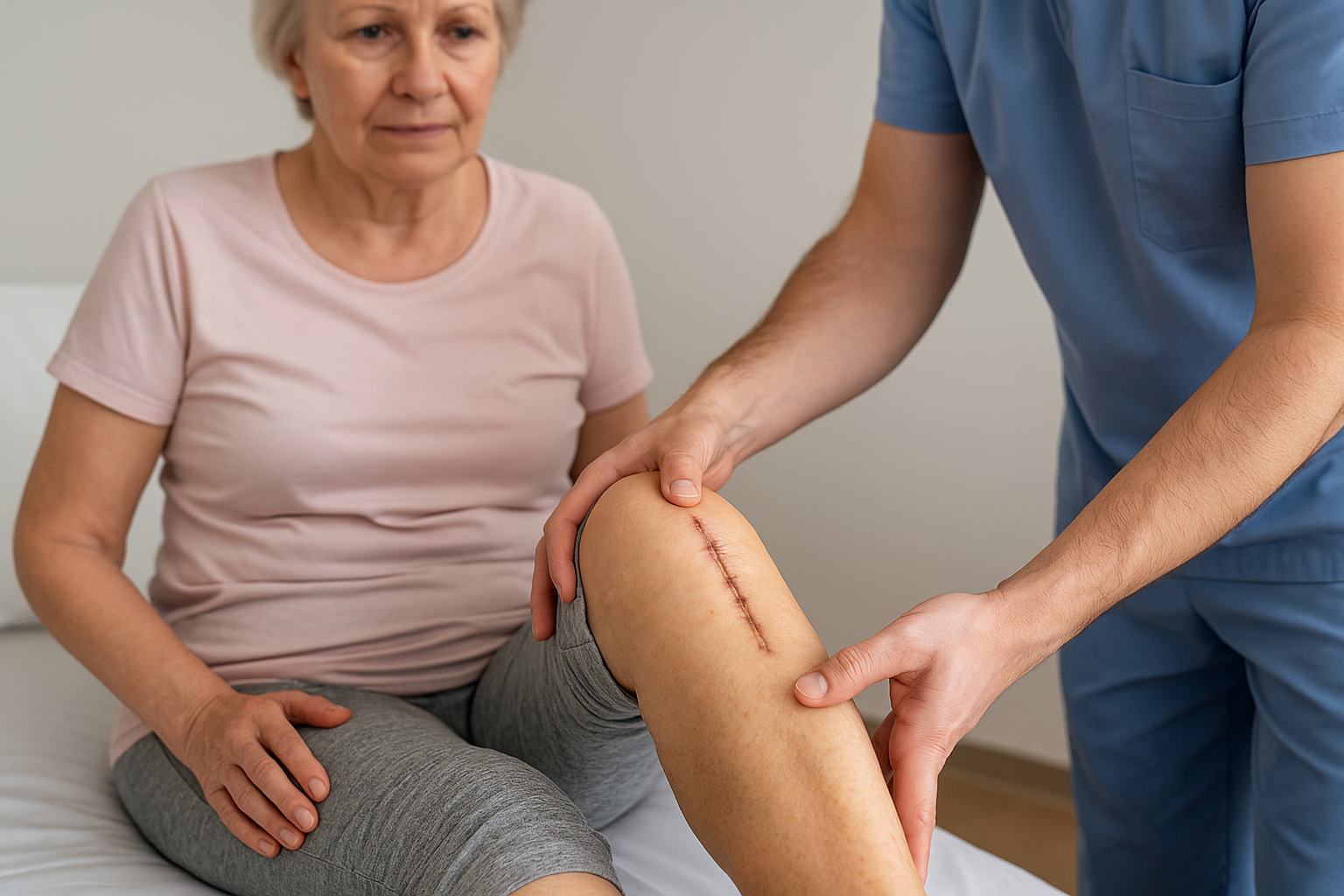
Understanding Knee Replacement Surgery
Knee replacement surgery, also known as knee arthroplasty, is a common procedure for individuals suffering from severe knee damage. This surgical intervention involves the replacement of damaged knee joints with artificial parts known as prostheses. According to the American Academy of Orthopaedic Surgeons, more than 750,000 knee replacement surgeries are performed annually in the United States, and this number is projected to rise as the population ages and seeks improved quality of life.
Why Consider Knee Replacement?
Knee replacement is often considered when other treatments like medications, physical therapy, or lifestyle changes fail to alleviate symptoms. Common conditions leading to knee replacement include:
- Osteoarthritis: A degenerative joint disease where cartilage wears away, causing painful bone-on-bone friction.
- Rheumatoid Arthritis: An autoimmune disease characterized by inflammation of the joint lining, leading to pain and deformity.
- Post-Traumatic Arthritis: Arthritic changes that occur after a knee injury.
What to Expect After Knee Replacement Surgery
Immediate Post-Operative Care
Right after surgery, patients typically spend a few days in the hospital. During this time, medical professionals monitor recovery and begin managing pain. In most cases, patients are encouraged to start moving the knee the same day as surgery to promote circulation and prevent complications such as blood clots.
Rehabilitation and Physical Therapy
Rehabilitation is a critical component of recovery following knee replacement. A physical therapist will guide you through exercises to regain strength and improve flexibility. As per the Journal of Orthopaedic Research, early and consistent rehabilitation exercises can significantly enhance the range of motion and accelerate recovery time.
The typical rehabilitation phases include:
- Phase 1 (0-2 weeks): Controlled knee movement and gradual weight-bearing activities.
- Phase 2 (3-6 weeks): Increased intensity of exercises to strengthen muscles around the knee.
- Phase 3 (7-12 weeks): Return to normal daily activities and potential return to low-impact sports.
Pain Management
Post-surgery pain is a common concern and is usually managed through a combination of medications. Non-opioid pain relievers, anti-inflammatory drugs, and sometimes opioids are prescribed. In recent years, more emphasis is placed on multimodal pain relief to minimize opioid use due to addiction risks. Always consult your healthcare provider for tailored advice.
Potential Risks and Complications
While knee replacement surgeries are generally considered safe, potential risks exist. Complications might include infection, blood clots, or prosthetic joint failure. New advancements in prosthesis design and surgical techniques continue to reduce these risks. According to the Centers for Disease Control and Prevention, the infection rate after knee replacement is now less than 1%.
Long-Term Recovery and Lifestyle Adjustments
Fully regaining function after knee replacement can take several months. However, most patients report significant improvements within 3 to 6 months. Long-term success depends largely on maintaining a healthy lifestyle:
- Stay Active: Regular non-impact exercises such as swimming or cycling keep the joint in good health.
- Control Weight: Maintaining a healthy weight reduces stress on the knee.
- Routine Check-Ups: Regular follow-ups with your orthopedic surgeon ensure the prosthetic joint's longevity and functionality.
Can You Engage in Sports and Physical Activities?
Many patients wonder if they can return to their favorite sports post-surgery. The answer depends on the type of activity. High-impact sports like basketball or running are often discouraged due to the increased risk of wear and tear. On the other hand, low-impact activities like golfing, walking, and even doubles tennis are typically acceptable.
Success Stories and Patient Experiences
Linda, a 62-year-old retiree, underwent knee replacement to combat severe arthritis pain. Six months post-surgery, she shared her journey online, describing how she returned to gardening and brisk walking, activities she hadn't enjoyed in years. Such success stories inspire and reassure many contemplating this surgical path.
Conclusion
Knee replacement surgery offers a new lease on life for those battling chronic knee issues. With advancements in surgical techniques and prosthetic designs, patients can expect improved outcomes. Comprehensive care involving surgery, effective rehabilitation, and lifestyle adaptations can lead to successful recovery and enhanced quality of life.
For more information, consider exploring resources from the American Academy of Orthopaedic Surgeons or the Centers for Disease Control and Prevention.