Understanding Reverse Mortgage Eligibility for Senior Veterans
Curious about whether senior veterans can qualify for a reverse mortgage? This financial tool can unlock home equity while still keeping your home. Understand the eligibility criteria and explore how it could benefit you or your loved ones.
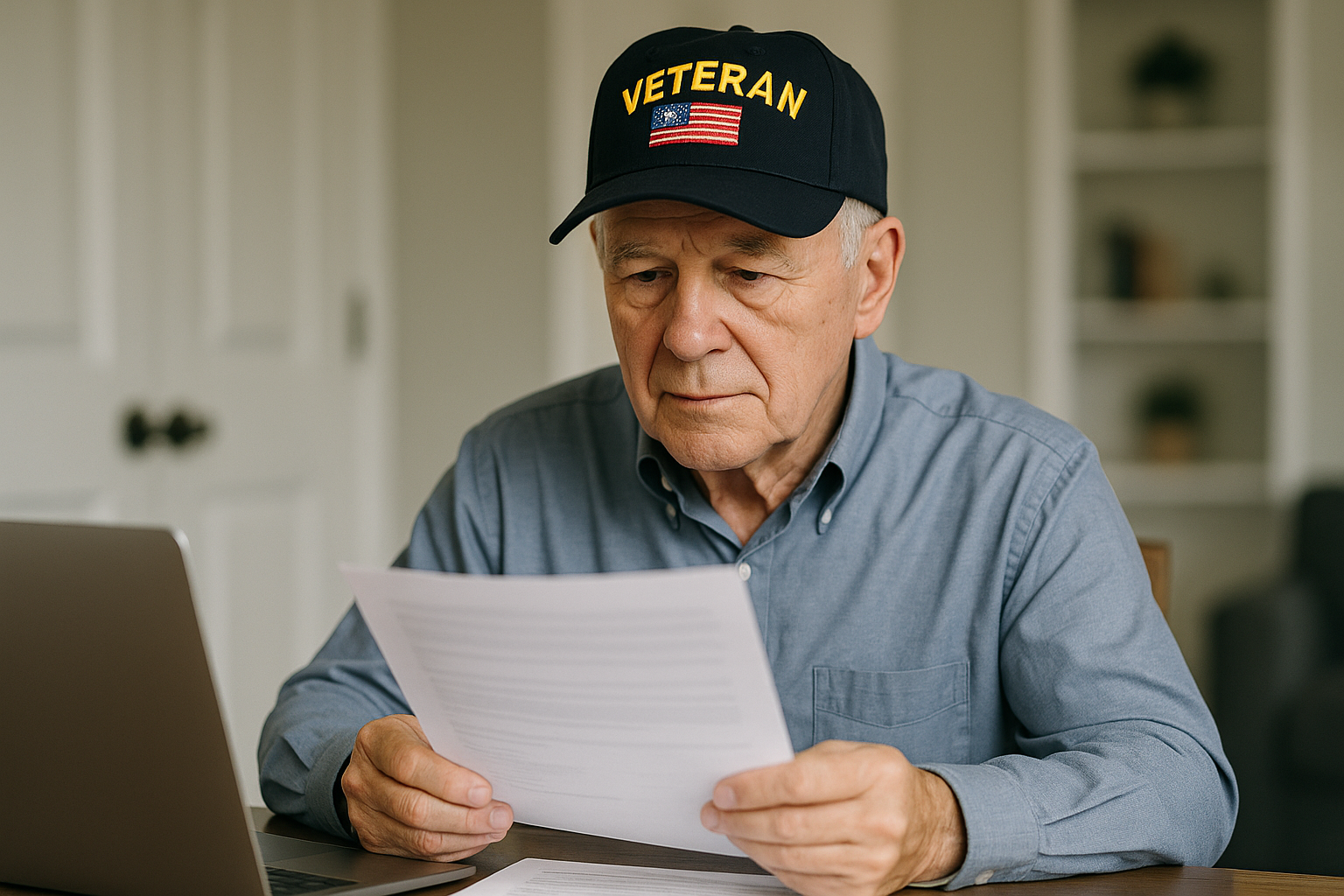
Understanding Reverse Mortgages for Senior Veterans
As more senior veterans explore ways to stabilize their financial future, reverse mortgages have become an appealing option. A reverse mortgage allows homeowners aged 62 or older to convert part of their home’s equity into cash without selling the home. This can be particularly beneficial for veterans, offering them a source of income during retirement while allowing them to remain in their homes.
However, understanding how a senior veteran can qualify for a reverse mortgage involves a thorough exploration of specific eligibility criteria, benefits, and the overall application process.
Eligibility Criteria for Senior Veterans
To qualify for a reverse mortgage, senior veterans must meet several key requirements:
- Age Requirement: The homeowner must be at least 62 years old. When the home is co-owned, both spouses must meet the age requirement.
- Home Ownership: The property must be owned outright or have a considerable amount of equity. Veterans with significant home equity can access a larger amount of funds.
- Primary Residence: The home must be the primary residence. This ensures that the homeowner continues to live in the home while benefiting from the reverse mortgage.
- Financial Obligations: The homeowner must continue to pay property taxes, homeowners insurance, and maintain the property according to FHA standards.
- Counseling Requirement: Veterans must undergo HUD-approved counseling. This session is designed to ensure that the homeowners fully understand the reverse mortgage process.
Special Considerations for Veterans
While the general requirements for reverse mortgages apply to all eligible seniors, veterans may want to consider additional factors:
- Loan Limits: The FHA sets lending limits on reverse mortgages that vary by county. Veterans considering this option should research the specific loan limits in their area.
- Access to Benefits: It’s important to consider how a reverse mortgage might interact with other veterans' benefits. Typically, a reverse mortgage won't affect benefits like Medicare or Social Security, but consultation with a financial advisor is recommended.
- HECM Loan Types: Veterans can choose between a variety of HECM options, tailored to their immediate or long-term needs, such as fixed monthly payments or a line of credit.
Advantages of Reverse Mortgages for Veterans
There are numerous advantages for senior veterans to consider reverse mortgages:
- Financial Flexibility: Access to additional income can help alleviate financial pressures, covering medical expenses or home renovations.
- No Monthly Payments: Unlike conventional loans, borrowers are not required to make monthly mortgage payments, freeing up cash for other necessities.
- Retain Home Ownership: Borrowers continue to hold the title to their home, and the loan is only repaid once the homeowner moves out or passes away.
- Potential Appreciation: If home values increase, veterans may profit from the increased equity upon selling the home.
Application Process
Applying for a reverse mortgage involves several steps designed to ensure that veterans understand their financial commitment:
- Initial Consultation: Contact lenders to discuss potential loan scenarios and gather required documentation.
- HUD-Approved Counseling Session: Complete the mandatory session to understand the complexities of reverse mortgages.
- Application Package Submission: Submit a formal application with supporting documents, including ID, proof of income, and property details.
- Property Appraisal: An FHA appraiser will assess the property to determine its market value and assess eligibility.
- Loan Approval and Closing: Review the loan terms and sign agreements, typically finalized within four to six weeks.
Real-World Example
Consider John, a 74-year-old Vietnam veteran living in Florida with significant home equity. After researching options and consulting a financial advisor, John decided to apply for a reverse mortgage. He underwent a HUD-approved counseling session, ensuring he was informed of all terms and implications. By completing the application and an FHA appraisal, John successfully secured a reverse mortgage, providing him with monthly payments that supplement his fixed income, enabling him to continue living comfortably in his modest home.
Conclusion
For senior veterans exploring financial options, a reverse mortgage can offer invaluable support, allowing access to home equity without the burden of monthly repayments. However, it is crucial to weigh the pros and cons, consider how it fits with existing benefits, and seek counsel from financial advisors and HUD-approved counseling. As with any financial decision, taking a careful, well-informed approach will result in more secure long-term outcomes.
For more information on reverse mortgages for veterans, refer to resources like the U.S. Department of Housing and Urban Development or the AARP.
- Consumer Financial Protection Bureau – Reverse Mortgage Basics
- National Council on Aging – Reverse Mortgage Guide for Older Adults
- National Housing Bank – Reverse Mortgage Guidelines
- Reverse Mortgage for Veterans Guide
- GAO – Benefits and Risks of Reverse Mortgages for Seniors
- Investopedia – Reverse Mortgage Guide: Types, Costs & Eligibility
- Investopedia – Reverse Mortgage Fees Explained
- Investopedia – Single‑Purpose Reverse Mortgages (Lower‑Cost Options)