Understanding Reverse Mortgages: A Comprehensive Guide to Longbridge Financial Options
If you're considering a reverse mortgage from Longbridge Financial, you've landed in the right place for a straightforward overview. In this guide, we’ll break down exactly how their programs work, what the eligibility requirements are, and the key pros and cons you need to weigh.
Who is Longbridge Financial?
Longbridge Financial, LLC is a national lender that specializes exclusively in reverse mortgages. Founded with the mission to help older Americans use their home equity to lead more financially stable lives in retirement, the company has grown to become one of the leading reverse mortgage providers in the United States. They are an FHA-approved lender, which means they are authorized to originate Home Equity Conversion Mortgages (HECMs), the most common type of reverse mortgage.
The company prides itself on a customer-centric approach, emphasizing education and transparency throughout the loan process. This focus is designed to ensure that potential borrowers fully understand the product, its benefits, and its obligations before making a commitment. Their specialization allows them to have a deep understanding of the unique financial situations and needs of seniors, distinguishing them from general mortgage lenders who may only offer reverse mortgages as a secondary product.
Key Features of Longbridge Financial's Reverse Mortgages
Longbridge Financial offers several distinct features that define their service. One of the most notable is their commitment to technology, such as their "Real-Time" pricing engine. This tool is designed to provide potential borrowers and partners with transparent and up-to-the-minute information on rates and loan options, helping to demystify the financial aspects of the transaction.
Furthermore, the company places a strong emphasis on responsible lending practices. They are known for providing extensive educational materials and ensuring that every client completes the required counseling with a HUD-approved third party. This commitment to education helps ensure that homeowners are making an informed decision that aligns with their long-term financial goals. Their reputation in the industry is often highlighted by positive customer reviews and a high rating with organizations like the Better Business Bureau.
Types of Reverse Mortgages Offered by Longbridge
Longbridge offers two main categories of reverse mortgage products to cater to a variety of homeowner needs, primarily distinguished by home value and loan amount.
Home Equity Conversion Mortgage (HECM)
The Home Equity Conversion Mortgage, or HECM, is the most common type of reverse mortgage in the U.S. It is insured by the Federal Housing Administration (FHA), which provides a layer of protection for both the borrower and the lender. Because it is a government-insured program, the HECM comes with specific rules and regulations, including a maximum loan limit that is set annually. Homeowners must be at least 62 years old to qualify.
One of the key benefits of a HECM is the flexibility in how you can receive your funds. Longbridge offers several payout options, allowing borrowers to choose what best suits their financial situation. These options include:
- Lump Sum: A single, one-time payment at closing.
- Line of Credit: A flexible credit line that you can draw from as needed. The unused portion of the line of credit grows over time, increasing your available funds.
- Term or Tenure Payments: Regular monthly payments, either for a set number of years (term) or for as long as you live in the home (tenure).
- Combination: A mix of the above options, such as taking a small lump sum at closing and establishing a line of credit for future needs.
The Platinum Reverse Mortgage (Jumbo/Proprietary)
For owners of high-value homes whose borrowing needs exceed the FHA-insured HECM limits, Longbridge offers its proprietary jumbo reverse mortgage, known as the Platinum program. These loans are not insured by the FHA, which means they are governed by the lender's own set of rules and guidelines. This often provides more flexibility in certain areas.
The primary advantage of the Platinum reverse mortgage is the ability to access a much larger amount of home equity. It is specifically designed for properties with values well over the HECM limit, potentially allowing for loan amounts in the millions. While these jumbo loans do not require the FHA's mortgage insurance premium, they have their own unique fee structures. The eligibility age for a proprietary loan can sometimes be lower than the 62-year-old requirement for a HECM, depending on the specific program guidelines at the time.
Eligibility Requirements for a Longbridge Reverse Mortgage
To qualify for a reverse mortgage with Longbridge Financial, applicants must meet several key criteria, which are largely standardized for HECMs but can vary for proprietary products.
- Age: For a HECM, all borrowers on the home's title must be at least 62 years old.
- Homeownership and Equity: You must own your home and have a significant amount of equity built up. Many people use a reverse mortgage to pay off an existing mortgage, which is permissible as long as there is sufficient remaining equity.
- Property Type: The property must be your primary residence. Eligible property types generally include single-family homes, 2-4 unit homes where you occupy one unit, and FHA-approved condominiums or townhouses.
- Financial Assessment: Lenders are required to conduct a financial assessment to ensure you have the financial capacity to continue paying for property taxes, homeowners insurance, and home maintenance. This is a crucial step to prevent foreclosure due to non-payment of these obligations.
- Counseling: Before you can complete an application for a HECM, you must attend a counseling session with an independent, HUD-approved counselor. This session ensures you understand the loan terms, costs, and responsibilities.
Understanding the Fundamentals of Reverse Mortgages
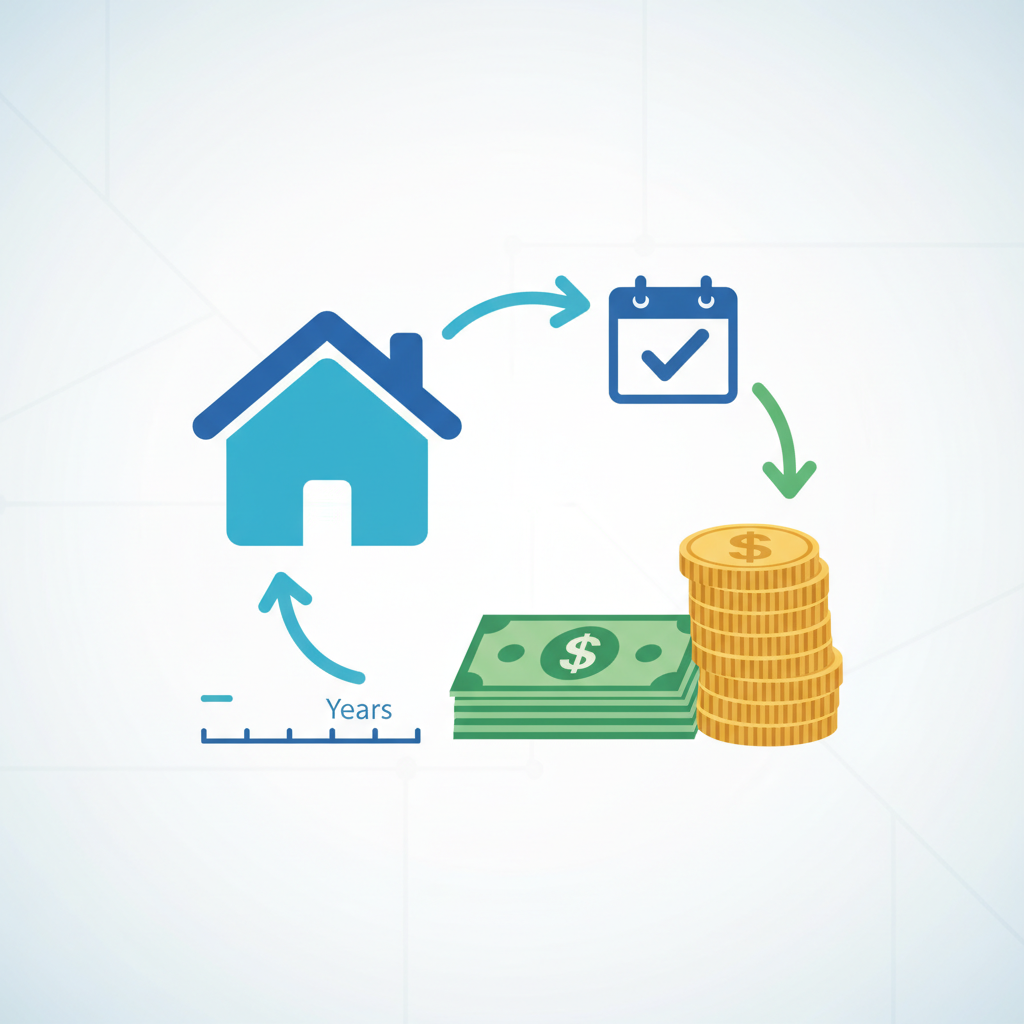
Before diving deeper into specific products, it's essential to grasp the core concept of a reverse mortgage. Unlike a traditional "forward" mortgage where you make monthly payments to the lender to build equity, a reverse mortgage allows you to do the opposite. It lets you convert a portion of your home equity into cash without having to sell your home. Instead of you paying the bank, the bank makes payments to you or provides a line of credit you can access.
The loan does not require monthly mortgage payments from the borrower. The loan balance, which includes the cash you received plus accrued interest and fees, only becomes due when the last borrower permanently leaves the home. This "maturity event" typically occurs if the borrower sells the house, moves into a long-term care facility for more than 12 consecutive months, or passes away. Throughout the life of the loan, the homeowner remains the owner of the property and keeps the title. They are simply required to keep up with property taxes, homeowners insurance, and general maintenance.
Common Questions About Longbridge Reverse Mortgages
Many homeowners have similar questions when exploring a reverse mortgage. Here are answers to some of the most frequent inquiries.
What are the typical costs and fees involved?
The costs associated with a reverse mortgage are similar to those of a traditional mortgage, though the structure can differ. Key costs include an origination fee, which is what the lender charges for processing the loan. For HECMs, there is also a mandatory Mortgage Insurance Premium (MIP) paid to the FHA. This insurance protects you by ensuring you will receive your expected loan payments and also protects the lender if the home's sale price is not enough to cover the loan balance at maturity.
Other expenses include standard third-party closing costs, such as an appraisal fee, title search, and recording fees. A significant benefit is that most of these costs can be financed into the loan itself, meaning you may have very few out-of-pocket expenses at closing. Longbridge is required to provide a clear and detailed breakdown of all fees before you commit to the loan.
What happens to the home when the borrower moves out or passes away?
When the last surviving borrower leaves the home, the reverse mortgage loan becomes due and payable. The borrower's heirs or estate will have several options. They can choose to repay the loan in full and keep the home. Often, this is done by refinancing the reverse mortgage into a traditional mortgage or using other assets.
Alternatively, the heirs can sell the property to pay off the loan. If the sale proceeds are more than the loan balance, the heirs keep the remaining equity. A critical feature of FHA-insured HECMs is that they are "non-recourse" loans. This means that if the home sells for less than the amount owed, the FHA insurance covers the difference. The heirs will never be personally responsible for paying more than the home is worth at the time of sale.
Can I still qualify if I have an existing mortgage?
Yes, absolutely. In fact, one of the most common reasons homeowners get a reverse mortgage is to eliminate their existing monthly mortgage payments. A key requirement of the reverse mortgage is that it must be the primary lien on the property. This means that the funds from the reverse mortgage must first be used to pay off any existing mortgage balance in full.
Once the old mortgage is paid off, any remaining funds are available to the homeowner to use as they wish, according to the payout option they selected. For many seniors on a fixed income, eliminating a mandatory monthly mortgage payment can significantly improve their cash flow and reduce financial stress in retirement.
Conclusion
Longbridge Financial is a dedicated reverse mortgage lender focused on providing educational resources and transparent service to older homeowners. They offer both the government-insured HECM for most borrowers and a proprietary Platinum loan for those with higher-value homes. Understanding the eligibility requirements, the application process, and the fundamental mechanics of how a reverse mortgage works is the first step for any homeowner considering this financial tool. By carefully evaluating the features and responsibilities, seniors can determine if a reverse mortgage from a specialized lender like Longbridge aligns with their retirement goals.
For more information from official sources, you can visit: