Understanding Reverse Mortgages: A Guide for Retirees
Explore the ins and outs of how reverse mortgages work for retirees in this insightful article. Learn how a reverse mortgage can provide financial flexibility and supplement your retirement income without immediate repayment obligations.
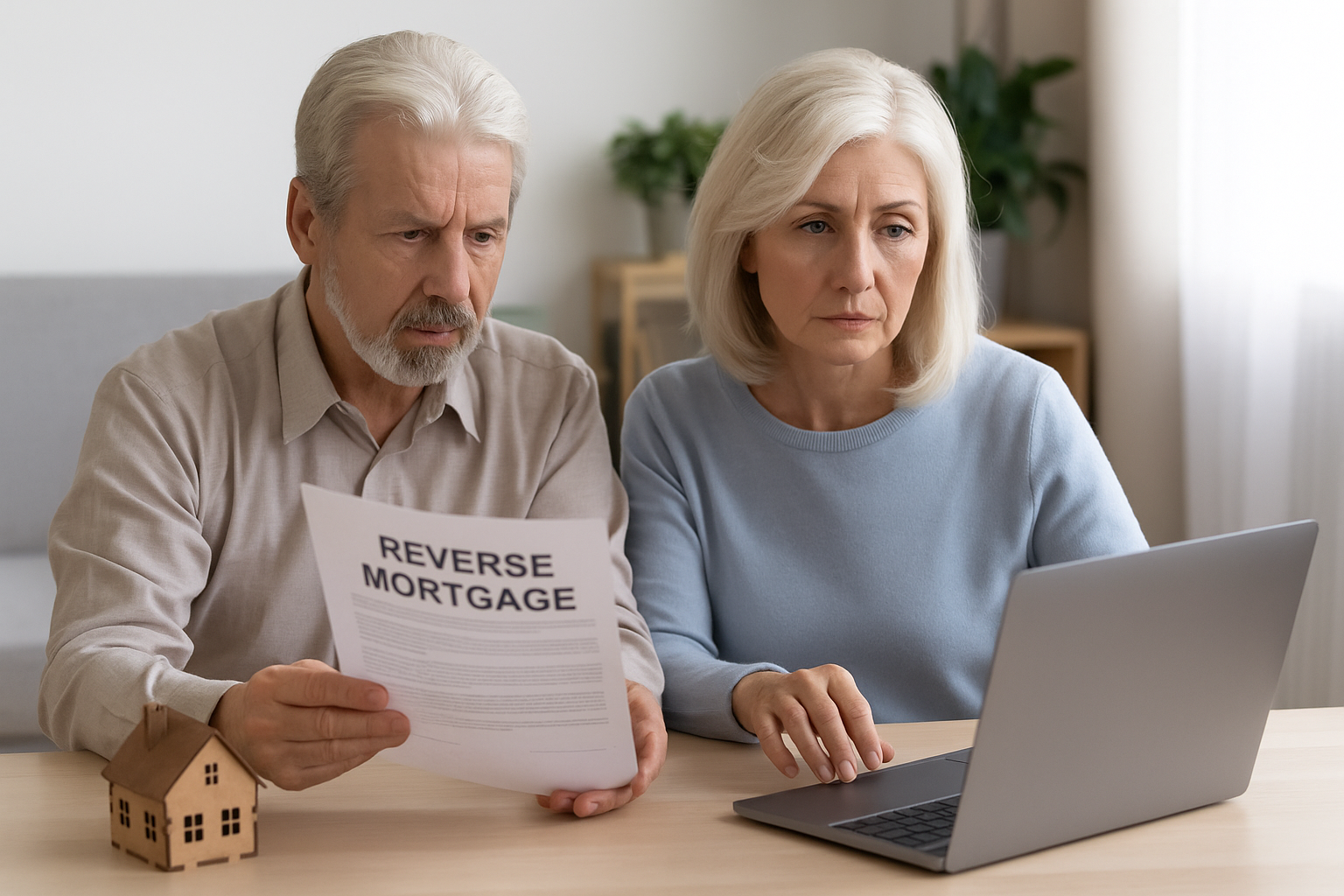
Understanding Reverse Mortgages: A Guide for Retirees
A reverse mortgage can be an intriguing financial tool for retirees looking to leverage home equity without the burden of monthly loan payments. This article dives deep into the mechanics of reverse mortgages, answering essential questions for seniors considering this option.
What Is a Reverse Mortgage?
A reverse mortgage is a loan available to homeowners aged 62 or older, allowing them to convert part of their home equity into cash. Unlike traditional mortgages where homeowners pay the lender, a reverse mortgage provides payments to the homeowner. The loan doesn't require repayment until the borrower sells the home, moves out permanently, or passes away.
Primarily, there are three types of reverse mortgages:
- Home Equity Conversion Mortgage (HECM): The most common type, insured by the Federal Housing Administration (FHA).
- Proprietary Reverse Mortgages: Private loans offered by individual companies, often for homes with higher values.
- Single-Purpose Reverse Mortgages: Offered by some state and local government agencies and nonprofit organizations for specific purposes, like home repairs.
How Does a Reverse Mortgage Work?
Upon approval, borrowers receive funds based on the home's value, the loan's terms, and the borrower's age. Important factors influencing the loan amount include:
- The current market value of the home.
- Interest rates at the time of the loan.
- The borrower's age, with older borrowers typically receiving more.
Funds can be disbursed in several ways:
- Lump sum: A single, large payment at the beginning.
- Monthly payments: A steady income stream, either for a set period or as long as the homeowner lives in the home.
- Line of credit: Access as needed, with interest charged on the withdrawn amounts.
Benefits for Retirees
Reverse mortgages offer several advantages, particularly for retirees with significant home equity but insufficient liquid assets or income. Some benefits include:
- Increased Cash Flow: Provides supplemental income without monthly payments, easing financial stresses in retirement.
- No Income Requirements: The loan isn't based on credit score or income level, making it accessible to many retirees.
- Tax-Free Proceeds: The money received is not considered taxable income since it's loan proceeds rather than earned income.
- Protection from Market Fluctuations: Since the FHA insures HECMs, the borrower is protected from owing more than the home's value at sale.
Considerations and Risks
While reverse mortgages can be beneficial, they aren't without risks or drawbacks. It's essential to consider:
- Home Equity Reduction: Using home equity now reduces the amount left to heirs.
- Loan Costs: Upfront costs and interest can be considerable. Understanding these fees ahead of time is crucial.
- Impact on Benefits: Medicaid eligibility might be affected since cash from reverse mortgages can impact asset thresholds.
- Home Maintenance: Borrowers must maintain the home and keep property taxes and insurance up to date.
Real-World Example of a Reverse Mortgage
Consider Jane, a 70-year-old widow living in her home worth $400,000. With a small pension and Social Security, she struggles to cover living expenses. By opting for a reverse mortgage, she could receive a monthly payment of $800, supplementing her income and improving her quality of life, without monthly loan repayments.
Recent Trends and Statistics
According to a 2026 survey by the National Reverse Mortgage Lenders Association, reverse mortgage popularity among retirees has increased by 12% over the past three years. This rise correlates with increased awareness and understanding of the product's benefits.
Meanwhile, statistics provided by the Consumer Financial Protection Bureau highlight that in 2025, nearly 60% of reverse mortgage borrowers were motivated by the need to pay off existing debt, indicating a strategic use for financial management in retirement.
Is a Reverse Mortgage Right for You?
Determining whether a reverse mortgage is the appropriate financial tool involves evaluating personal circumstances, such as financial needs, home value, and the desire to leave an inheritance. It's advisable to consult with a trusted financial advisor and consider all potential impacts on long-term financial plans.
Conclusion
Reverse mortgages can be essential in securing financial stability for retirees, offering flexibility and access to cash when needed most. By thoroughly understanding how they work and assessing personal financial situations, retirees can decide whether a reverse mortgage aligns with their retirement goals.
For more detailed information, consider exploring resources like the U.S. Department of Housing and Urban Development and the Consumer Financial Protection Bureau, which provide extensive guidelines and considerations for prospective borrowers.
- https://www.aarp.org/money/personal-finance/reverse-mortgage-guide/
- https://policybook.aarp.org/policy-book/financial-services/credit-products-and-services/reverse-mortgages
- https://policybook.aarp.org/policy-book/long-term-services-and-supports/private-sector-approaches-financing-long-term-services-and-supports/reverse-mortgages
- https://reverse.mortgage/hecm
- https://www.nerdwallet.com/mortgages/learn/hecm-reverse-mortgage
- https://www.hud.gov/program_offices/housing/sfh/hecm/hecmhome
- https://www.consumerfinance.gov/consumer-tools/reverse-mortgages/