Understanding Roof Damage Coverage Under State Farm Homeowners Insurance
When severe weather strikes, homeowners often worry about their roofs. State Farm Homeowners Insurance may cover roof damage, but it's important to know the specifics. Coverage details can depend on various factors, including the cause of the damage and your policy.
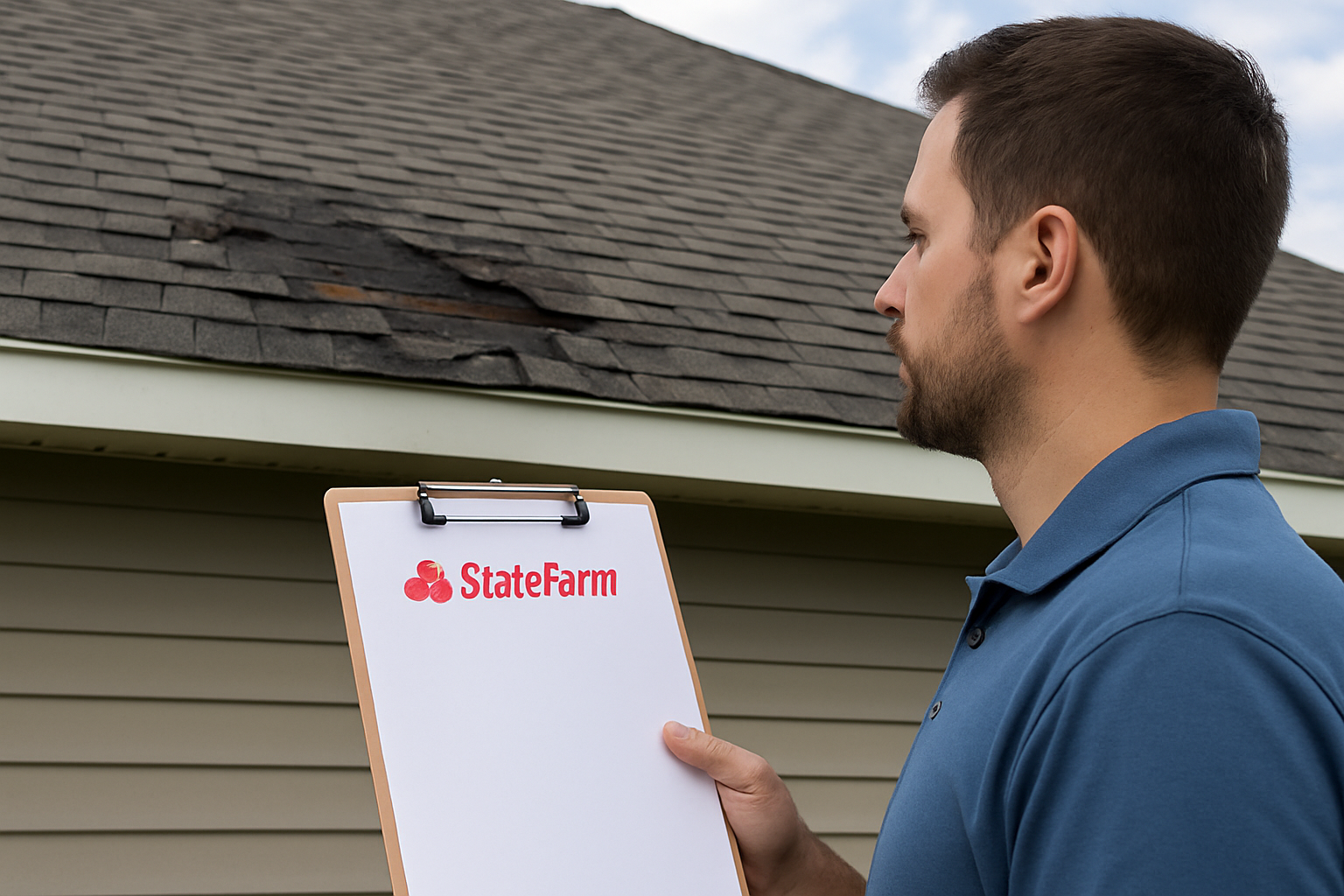
Understanding State Farm Homeowners Insurance
Homeowners insurance is a vital aspect of protecting your property and assets. Offered by numerous providers, State Farm is one of the leading companies in this field. They provide a range of insurance policies, including those covering damage to your home—specifically, your roof. However, the particulars of coverage often raise a significant query: does State Farm homeowners insurance cover roof damage? To better understand what is on offer, it is essential to delve deep into their coverage specifics, various influencing factors, and how to ensure you are adequately protected.
State Farm's Approach to Roof Coverage
State Farm generally provides coverage for roof damage through their homeowners insurance policies under several circumstances. Coverage typically includes damage from perils such as fire, hail, windstorms, and certain natural disasters. However, it's important to know what is specifically considered a covered peril.
- Fire Damage: Situations where your roof incurs damage from a fire, whether it originated within your home or due to an external event, are normally covered.
- Hail and Wind: Hailstorms and strong winds are among the most common causes of roof damage. State Farm typically covers these events, helping with repair costs.
- Natural Disasters: Not all natural disasters are covered. While tornadoes or hurricanes might be included, events like earthquakes or floods usually require additional riders or separate policies.
Exclusions and Limitations
State Farm policies often contain specific exclusions and limitations. Understanding these can help clarify what is not covered:
- Roof Age and Condition: If a roof is deemed too old or in poor condition, State Farm might deny a claim. Regular maintenance and inspections can mitigate this risk.
- Wear and Tear: Normal wear and tear or gradual deterioration does not qualify for coverage. Insurance typically does not handle damages resulting from neglect or lack of upkeep.
- Manufacturer Defects: Damages resulting from manufacturer defects in materials or shoddy workmanship during installation are not covered.
Filing a Claim for Roof Damage
In the event of roof damage, prompt action is critical. Follow these steps to file a claim with State Farm:
- Assess and Document: Immediately assess the damage and document it with photographs. Detailed records help in processing your claim efficiently.
- Contact State Farm: Report the damage directly to State Farm through their app, website, or customer service line. Provide them with the necessary documentation and claim details.
- Inspection: State Farm will likely send an adjuster to inspect the damage and assess the cost of repairs or replacement.
- Approval and Repair: Once your claim is approved, you can proceed with authorized repairs. Payment will typically follow the approval process.
For more detailed guidance, visit State Farm's website or reach out to their customer support for assistance in the claims process.
Factors Influencing Insurance Premiums
The cost of homeowners insurance, including roof coverage, can be influenced by several factors:
- Location: Homes in areas prone to severe weather might incur higher premiums due to increased risks.
- Roof Material and Design: The type of materials and design of a roof can impact premiums. Durable, safer materials may lead to discounts.
- Deductibles: Choosing higher deductibles can lower overall premium costs. Carefully consider how much you can afford in out-of-pocket expenses during a claim.
Steps to Ensure Adequate Coverage
Ensuring your roof is adequately covered involves proactiveness and regular evaluations:
- Regular Inspections: Conduct annual inspections and maintenance of your roof to extend its lifespan and meet insurance requirements.
- Stay Informed: Keep updated on policy changes and renewal terms. Consider additional endorsements if necessary, such as flood insurance or coverage for valuable belongings.
- Consult Professionals: Engage professionals for inspections and maintenance, keeping records of all activities for easier claims filing.
Research and Resources
Staying informed about homeowners insurance and roof coverage requires tapping into current resources and data. According to a 2026 report by the Insurance Information Institute (III), homeowners are strongly advised to regularly review their policies to ensure they reflect the current value and condition of their homes. For more detailed statistics and trends in homeowners insurance, visiting the National Association of Insurance Commissioners (NAIC) website can provide additional insights.
Conclusion
Understanding your State Farm homeowners insurance policy and its coverage capabilities can prevent unwelcome surprises when dealing with roof damage claims. By staying informed about your policy's specifics, exclusions, and by maintaining regular inspections, you can ensure your home remains protected under a robust insurance cover. Always engage with current, reputable resources and consider professional advice to keep your coverage timely and effective for your needs.
https://www.statefarm.com/insurance/homeowners
https://www.statefarm.com/insurance/homeowners/home-insurance-coverage
https://www.statefarm.com/insurance/quotes/homeowners-quote
https://www.statefarm.com/insurance/homeowners/discounts
https://www.statefarm.com/insurance/bundling
https://www.statefarm.com/claims/home-and-property/roof-claims
https://www.statefarm.com/insurance/home-and-property
https://www.statefarm.com/customer-care/faqs/home-and-property-insurance
https://www.statefarm.com/claims/home-and-property
https://www.statefarm.com/simple-insights/residence/homeowners-insurance-maintenance-repairs