Understanding Self-Pay Options for Dupixent Through CVS Specialty Pharmacy
Discover what the future holds for accessing Dupixent through CVS Specialty Pharmacy by 2026. This overview delves into the self-pay options available for Dupixent, a breakthrough treatment approach, providing insights on potential costs and access strategies.
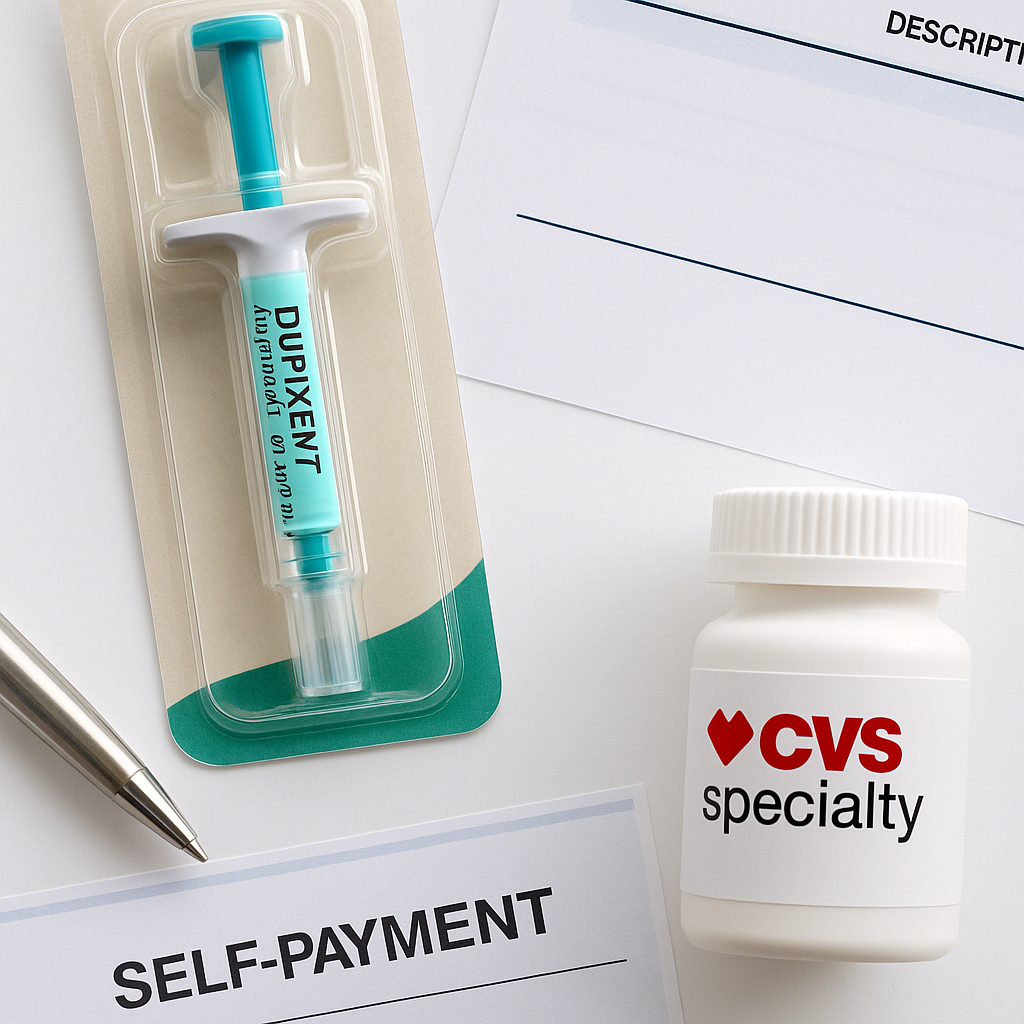
Understanding Dupixent: What Is It?
Dupixent is a widely-used medication primarily for the treatment of moderate-to-severe eczema, also known as atopic dermatitis, as well as for asthma and chronic rhinosinusitis with nasal polyps. It functions as a monoclonal antibody that works by inhibiting the overactive signaling of two key proteins involved in the inflammatory processes. Since its approval, Dupixent has provided substantial relief for patients who have not responded well to traditional treatments.
Accessing Dupixent Through CVS Specialty Pharmacy
For many patients, accessing specialty medications like Dupixent is a major concern. CVS Specialty Pharmacy is one of the leading providers for dispensing specialty treatments in the United States. This dedicated branch of CVS Health ensures that patients receive their medication safely while offering support services like insurance coordination, home delivery, and nurse consultations.
The Role of CVS Specialty Pharmacy
- Insurance Coordination: They help verify your insurance benefits, ensuring that you understand your coverage and out-of-pocket costs before filling your prescription.
- Home Delivery: Convenience is key, and CVS offers home delivery options for patients, ensuring that your medication reaches you without the hassle of traveling.
- Consultation and Support: CVS provides direct access to clinical support teams available 24/7, offering advice and guidance on the use of Dupixent.
Self-Pay Options for Dupixent in 2026
While insurance often covers a substantial portion of specialty medication costs, there are patients who explore self-pay options. In 2026, understanding the self-pay landscape involves reviewing the cost, seeking financial assistance programs, and assessing the value through personal financial capacity and health necessity.
Cost of Dupixent Without Insurance
The cost of Dupixent without insurance coverage can be substantial. As of 2026, a single injection can cost over $3,000. Patients typically require bi-monthly doses, which accumulates to a substantial annual cost. It's crucial for self-pay patients to explore financial assistance options to manage these expenses.
Financial Assistance Programs
There are several programs available to help manage the cost of Dupixent for self-paying patients:
- Manufacturer Assistance: Sanofi and Regeneron, the manufacturers of Dupixent, offer a patient assistance program to eligible individuals. This can significantly reduce the cost burden for those who qualify.
- Non-Profit Organizations: Organizations such as the Patient Access Network Foundation provide grants to help cover out-of-pocket costs for medications.
- State Programs: Depending on your state, there might be additional support services or programs specifically for residents with chronic health issues.
The Broader Impact of Self-Paying for Specialty Medications
Choosing to self-pay for Dupixent has implications broader than the financial cost. It involves assessing the medication's impact on your quality of life, functionality, and long-term health outcomes. Furthermore, the decisions surrounding self-pay options influence the pharmacy benefit management and healthcare policies across the country.
Quality of Life Considerations
Patients opting to self-pay for Dupixent often do so because of the dramatic improvement in their quality of life it offers. Managing symptoms effectively can lead to increased daily function, reduced healthcare visits, and overall enhanced life satisfaction. However, it is essential to weigh these benefits against personal and financial sustainability.
Implications for Healthcare Policies
The rise in self-pay patients highlights the gaps in insurance coverage and affordability within the healthcare system. It prompts ongoing discussions about drug price negotiations, insurance plan structuring, and patient advocacy to ensure that life-altering medications remain accessible to all who require them.
Real-World Example: Patient Journey
Tanya, a 45-year-old teacher suffering from severe eczema, represents many patients who face the decision of self-paying for Dupixent. Through CVS Specialty Pharmacy, Tanya accesses her medication with the assurance of supportive services, enabling her to maintain a stable condition conducive to teaching and personal life management.
Financial Strategy
Tanya applies for manufacturer assistance and is able to reduce her annual costs significantly. By partnering with patient advocacy groups, she also stays updated on additional support opportunities that can further offset expenses.
Outcome and Benefit
Tanya experiences a significant improvement in her conditions, allowing her to resume normal activities and pursue her professional goals without the discomfort that once hindered her daily life.
For further information on Dupixent and the role of CVS Specialty Pharmacy, visit these resources: