Understanding Sinus Relief: How Certain Pills May Help Reduce Your Symptoms
When sinus pressure, pain, and congestion hit, finding the right pill for relief can feel overwhelming. We're going to simplify it for you by breaking down the most common and effective options available, from over-the-counter decongestants and antihistamines to powerful prescription medications.
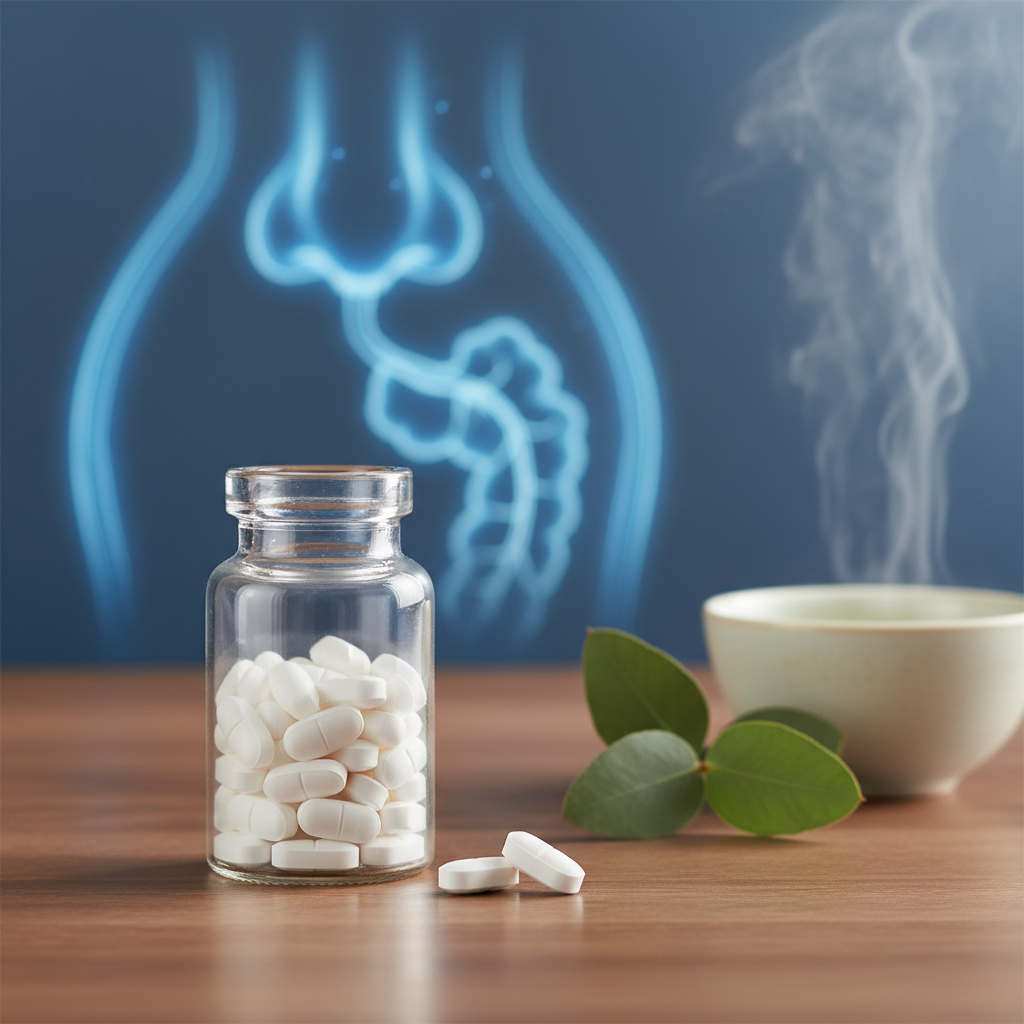
Sinus pressure, pain, and congestion can be incredibly disruptive, making it hard to focus, sleep, or simply get through the day. The discomfort stems from inflammation and fluid buildup in the hollow cavities of your skull known as sinuses. Fortunately, a variety of over-the-counter and prescription pills are available to address the different symptoms associated with sinus problems. Understanding what each type of pill does can help you navigate the pharmacy aisle and find the most appropriate relief for your specific symptoms.
It's important to remember that while these medications can manage symptoms, they don't all treat the root cause. Sinus issues can be triggered by the common cold, allergies, or bacterial infections. Identifying the trigger is key to long-term relief. This guide will break down the main categories of pills used to help with sinus issues, explaining how they work and what symptoms they target.
Common Over-the-Counter Pills for Sinus Relief
Many effective options for sinus relief are available without a prescription. These medications are designed to tackle the most common symptoms like congestion, pressure, and pain.
1. Decongestants
Decongestants are often the first thing people reach for when they feel that tell-tale sinus pressure. These medications work by narrowing the blood vessels in the lining of your nasal passages. When you have a cold or allergies, these blood vessels swell, leading to inflammation and that stuffy, congested feeling. By constricting the blood vessels, decongestants reduce the swelling, allowing more air to pass through and helping mucus to drain more effectively. This can provide significant relief from pressure in your forehead, cheeks, and behind your eyes.
Oral decongestants come in pill or liquid form and commonly contain active ingredients like pseudoephedrine or phenylephrine. Pseudoephedrine is generally considered more effective and is often kept behind the pharmacy counter due to regulations, while phenylephrine is widely available on open shelves. It's crucial to use these medications as directed, as overuse can sometimes lead to rebound congestion or side effects like increased heart rate or jitteriness.
2. Antihistamines
If your sinus problems are triggered by allergies, antihistamines can be a game-changer. Allergies occur when your immune system overreacts to a harmless substance like pollen, dust, or pet dander. In response, your body releases chemicals called histamines, which cause classic allergy symptoms like sneezing, itching, a runny nose, and, importantly, sinus inflammation and congestion. Antihistamines work by blocking the effects of histamine, thereby preventing or reducing these symptoms.
There are different generations of antihistamines. Older, first-generation options like diphenhydramine can be very effective but are known for causing drowsiness. Newer, second-generation antihistamines, such as loratadine, cetirizine, and fexofenadine, are non-drowsy or less-drowsy and are typically preferred for daytime use. If your sinus issues flare up seasonally or around specific triggers, an antihistamine might be the most targeted solution.
3. Pain Relievers
Sinus pressure often leads to throbbing headaches, facial pain, and even toothaches. Over-the-counter pain relievers can effectively manage this discomfort. These medications don't reduce congestion, but they target the pain signals, making the experience much more tolerable while your body fights off the underlying cause. Common options include nonsteroidal anti-inflammatory drugs (NSAIDs) and acetaminophen.
NSAIDs, such as ibuprofen and naproxen, have the dual benefit of relieving pain and reducing inflammation, which is a core component of sinus problems. This can help ease the swelling in your sinus passages. Acetaminophen is another effective pain reliever, though it does not have the same anti-inflammatory properties. Many "sinus" specific combination products will include a pain reliever along with a decongestant to tackle both pain and pressure simultaneously.
4. Expectorants
Sometimes, the problem isn't just congestion but thick, stubborn mucus that won't drain. This is where expectorants can help. The most common expectorant found in over-the-counter medications is guaifenesin. It works by thinning the mucus in your airways and sinuses. When the mucus is thinner and less sticky, it's easier for your body to cough it up or for it to drain from your nasal passages.
By promoting effective drainage, expectorants help clear out the buildup that causes pressure and provides a breeding ground for bacteria. While they don't stop mucus production, they make it much more manageable. Staying well-hydrated by drinking plenty of water is essential when taking an expectorant, as the extra fluid helps the medication work more effectively to thin the mucus.
Prescription Pills for More Severe Sinus Issues
For sinus problems that are severe, chronic, or caused by a bacterial infection, over-the-counter options may not be enough. In these cases, a doctor might prescribe stronger medications.
5. Corticosteroids
Oral corticosteroids are powerful anti-inflammatory drugs that can be prescribed for severe or chronic sinusitis. Unlike the milder NSAIDs, prescription steroids like prednisone work systemically to dramatically reduce inflammation throughout the body, including in the sinus cavities. This can provide rapid and significant relief from severe swelling, pressure, and congestion, especially when other treatments have failed.
Because they are very potent, oral corticosteroids are typically prescribed for short-term use to get a severe flare-up under control. They can be incredibly effective for reducing inflammation caused by severe allergies or nasal polyps. Long-term use is generally avoided due to the potential for more serious side effects. For ongoing management, a doctor is more likely to recommend a corticosteroid nasal spray.
6. Antibiotics
Antibiotics are only effective if your sinus infection is caused by bacteria. Most sinus infections, known as sinusitis, are actually viral and will resolve on their own without antibiotics. Viral infections are typically what you get with the common cold. However, if a sinus infection lasts for more than 10 days without improvement, is accompanied by a high fever, or seems to get better and then worse again, it may have developed into a secondary bacterial infection.
In these cases, a doctor may prescribe an antibiotic like amoxicillin to kill the bacteria causing the infection. It is crucial to only take antibiotics when prescribed by a healthcare professional and to complete the entire course as directed. Overusing antibiotics or using them for viral infections contributes to antibiotic resistance and won't help you feel better.