Understanding Skin Conditions That Resemble HIV Rashes
Finding an unexplained rash can be alarming, and it’s natural to worry if it could be a sign of HIV. However, many common skin conditions—including psoriasis, eczema, shingles, and simple allergic reactions—can mimic the rash associated with an acute HIV infection.
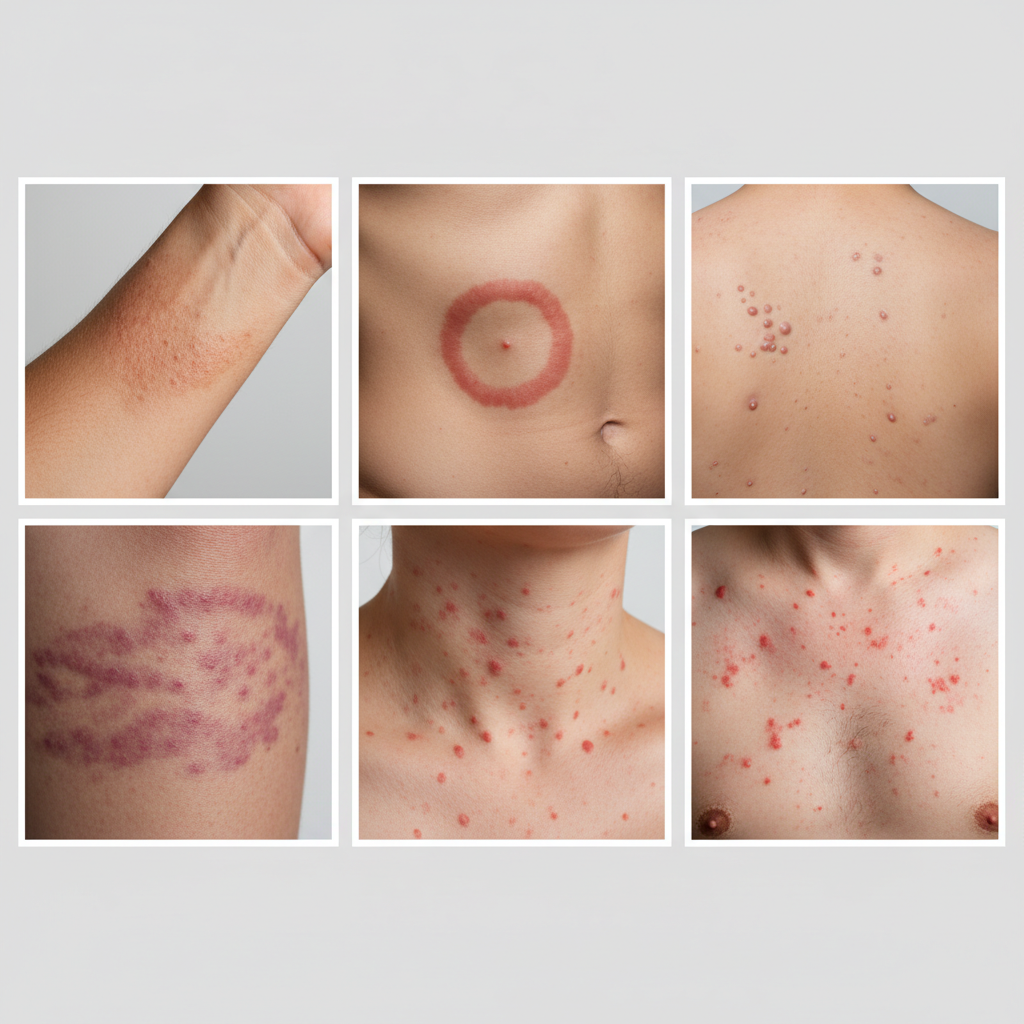
An unexplained rash can be a source of significant anxiety, as skin changes are associated with a wide range of health conditions. One particular concern for many is whether a rash could be a sign of acute HIV infection. While a rash is a common symptom during the early stages of HIV (known as seroconversion), it is also a feature of many other, more common conditions. Understanding these mimics is crucial for reducing unnecessary worry and knowing when to seek a proper medical diagnosis.
The typical acute HIV rash is described as maculopapular, meaning it consists of both flat, red patches (macules) and small, raised bumps (papules). It most often appears on the upper body, such as the chest, back, and face, and is usually not itchy. Because this description is quite general, several other dermatological conditions can present in a very similar way, leading to confusion and concern.
Common Skin Conditions That Can Resemble an HIV Rash
Distinguishing between different types of rashes based on appearance alone is difficult, even for medical professionals. However, learning about the common conditions that can be mistaken for an HIV rash can provide valuable context. Below are some of the most frequent mimics.
1. Pityriasis Rosea
Pityriasis rosea is a common skin condition that causes a temporary rash of raised, scaly patches on the body. Its exact cause is unknown, but it's thought to be triggered by a viral infection. The rash often begins with a single, large oval patch known as a "herald patch." This initial patch is typically pink or red and can be slightly scaly. Days or weeks later, smaller patches appear across the chest, back, and abdomen. The pattern of this widespread rash can sometimes resemble the shape of a Christmas tree.
The reason it's often confused with an HIV rash is that the individual spots can be pinkish-red and widespread. However, the presence of a distinct herald patch is a key differentiator, which is not a feature of an HIV rash. While pityriasis rosea can be mildly itchy, it usually resolves on its own within 6 to 8 weeks without treatment.
2. Drug Eruptions (Allergic Reactions to Medication)
An adverse reaction to a medication is one of the most common causes of a widespread rash. These are often referred to as drug eruptions. Many different medications, including common antibiotics (like amoxicillin and sulfa drugs), anti-seizure medications, and even over-the-counter pain relievers, can trigger a skin reaction. The rash can appear anytime from a few hours to several weeks after starting a new drug.
The appearance of a drug eruption is often maculopapular, presenting as red spots and small bumps that can merge into larger patches, closely mimicking the seroconversion rash. The key clue here is timing—the rash develops after starting a new medication. If a new rash appears, it's essential to consider any recent changes in medications and consult a doctor immediately. The rash typically resolves once the offending drug is discontinued.
3. Secondary Syphilis
Syphilis is another sexually transmitted infection (STI) that can cause a rash, and it is a classic mimic of many other skin conditions. The rash associated with secondary syphilis typically appears several weeks or months after the initial infection. It can manifest as rough, reddish-brown spots that can appear anywhere on the body, but it has a notable tendency to show up on the palms of the hands and the soles of the feet.
The presence of a rash on the palms and soles is a significant diagnostic clue that points toward syphilis rather than HIV, as this location is very uncommon for the acute HIV rash. The syphilis rash is also generally not itchy and may be accompanied by other symptoms like fever, swollen lymph nodes, sore throat, and patchy hair loss, which can overlap with acute HIV symptoms, adding to the confusion.
4. Eczema (Atopic Dermatitis)
Eczema is a chronic inflammatory skin condition that results in dry, itchy, and inflamed skin. While many people associate eczema with distinct patches of scaly, weeping skin, a severe flare-up can cause a more widespread, red, and bumpy rash that could be mistaken for something else. A type of eczema called nummular eczema, for instance, causes round, coin-shaped spots that can be concerning.
The primary distinguishing feature of eczema is intense itchiness. Most forms of dermatitis are very itchy, whereas the acute HIV rash is typically not. Furthermore, individuals with eczema often have a personal or family history of the condition, as well as other allergic conditions like asthma or hay fever. The skin in eczema is also characteristically dry and scaly, which is less common with the HIV rash.
5. Mononucleosis ("Mono")
Mononucleosis, caused by the Epstein-Barr virus (EBV), is a viral illness that shares several symptoms with acute HIV infection, including fever, sore throat, fatigue, and swollen glands. A rash is also possible with mono, though it's not one of the primary symptoms. This rash is often faint, pinkish, and maculopapular.
Interestingly, the rash is far more likely to occur if someone with mono is mistakenly treated with certain antibiotics, particularly ampicillin or amoxicillin. This drug-induced rash in the presence of mono can be widespread and red, making it look very similar to other viral or allergic rashes. Given the overlap in systemic symptoms (fever, fatigue), it's easy to see why mono could be confused with acute HIV.
6. Psoriasis
Psoriasis is a chronic autoimmune disorder that causes an overproduction of skin cells, leading to thick, red, scaly patches. While the classic presentation of psoriasis involves well-defined plaques, a specific form called guttate psoriasis can be a mimic. Guttate psoriasis is characterized by small, teardrop-shaped red spots that appear suddenly over the trunk, arms, and legs.
This form of psoriasis is often triggered by a bacterial infection, such as strep throat. The individual lesions are typically covered with a fine, silvery scale, which is a hallmark of psoriasis but not of the HIV rash. Although the sudden, widespread nature of the spots can cause alarm, the presence of these scales is a key differentiating feature.
Understanding the HIV Rash Itself
To better understand why these other conditions are mimics, it helps to have a clearer picture of the rash associated with acute HIV. This rash, often called a seroconversion rash, is a sign that the body's immune system is responding to the virus. It typically appears two to four weeks after exposure to HIV and is part of a cluster of symptoms known as Acute Retroviral Syndrome (ARS), which can feel like a severe case of the flu.
The rash is primarily maculopapular, presenting as a collection of small, raised, discolored bumps and flat red areas. It most commonly affects the upper body—the trunk, chest, and shoulders—but can also appear on the face, arms, and legs. A key feature often noted is that the rash is generally not itchy. It typically lasts for one to two weeks and resolves on its own as the initial, acute phase of the infection subsides. The presence of accompanying flu-like symptoms like fever, headache, muscle aches, sore throat, and fatigue is a critical part of the clinical picture.
Answering Common Questions About Unexplained Rashes
What are the key distinguishing features to look for?
While only a doctor can provide a diagnosis, certain clues can help differentiate between these conditions. For instance, an intense itch often points towards eczema or an allergic reaction rather than an HIV rash. A single, larger "herald patch" that appears before the main rash is a classic sign of pityriasis rosea. If the rash is present on the palms of your hands or the soles of your feet, secondary syphilis should be a strong consideration.
The context is also incredibly important. Did the rash appear after starting a new medication? This would suggest a drug eruption. Do you have a history of dry, sensitive skin or allergies? That might point to an eczema flare-up. The presence of silvery scales on the red spots is a telltale sign of psoriasis. Ultimately, these are just clues, and professional evaluation is necessary for an accurate diagnosis.
When is it important to see a doctor about a new rash?
It is always a good idea to consult a healthcare professional for any new, unexplained, or persistent rash. However, certain signs warrant more immediate medical attention. You should see a doctor promptly if your rash is accompanied by a fever, joint pain, or other systemic symptoms. If the rash spreads rapidly over your body, is painful to the touch, or begins to blister, you should seek medical care.
Furthermore, if you suspect the rash is related to a new medication or if you have recently had a potential exposure to an STI like HIV or syphilis, getting tested and evaluated is crucial. A doctor can perform a physical examination, review your medical history, and order necessary tests (such as blood work or a skin biopsy) to determine the cause of the rash and recommend the appropriate treatment.
Can stress trigger rashes that look like these conditions?
Stress itself doesn't directly cause conditions like HIV or syphilis, but it can have a significant impact on your skin and immune system. High levels of stress can trigger or worsen several skin conditions that might be mistaken for something more serious. For example, stress is a well-known trigger for flare-ups of both eczema and psoriasis.
Additionally, stress can lead to hives (urticaria), which are raised, itchy welts on the skin. A widespread case of stress-induced hives could be mistaken for an allergic reaction. While stress doesn't cause an HIV rash, the anxiety surrounding a potential exposure can certainly manifest in physical ways, sometimes making pre-existing skin issues worse and heightening concern over any new blemish or spot.
Conclusion
Many common skin conditions can produce a widespread, red, and bumpy rash that mimics the appearance of the rash associated with acute HIV infection. Conditions like pityriasis rosea, drug allergies, secondary syphilis, eczema, and mononucleosis can all cause skin changes that lead to concern. Key differentiating features such as itchiness, the presence of a herald patch, location on the palms and soles, or the onset after taking a new medication can provide important clues. However, self-diagnosis is unreliable and can lead to unnecessary anxiety or a delayed diagnosis of a treatable condition. If you have a new and unexplained rash, especially if it is accompanied by flu-like symptoms, the most responsible step is to consult a healthcare provider for an accurate diagnosis and peace of mind.