Understanding Sleep Apnea Medicare Coverage: How CPAP Machines Are Included in 2023
Exploring Sleep Apnea Medicare Coverage for CPAP in the USA? Learn how Medicare may support you in obtaining a CPAP machine. Understand eligibility criteria and potential costs involved. While Medicare offers certain coverage benefits, specifics can vary.
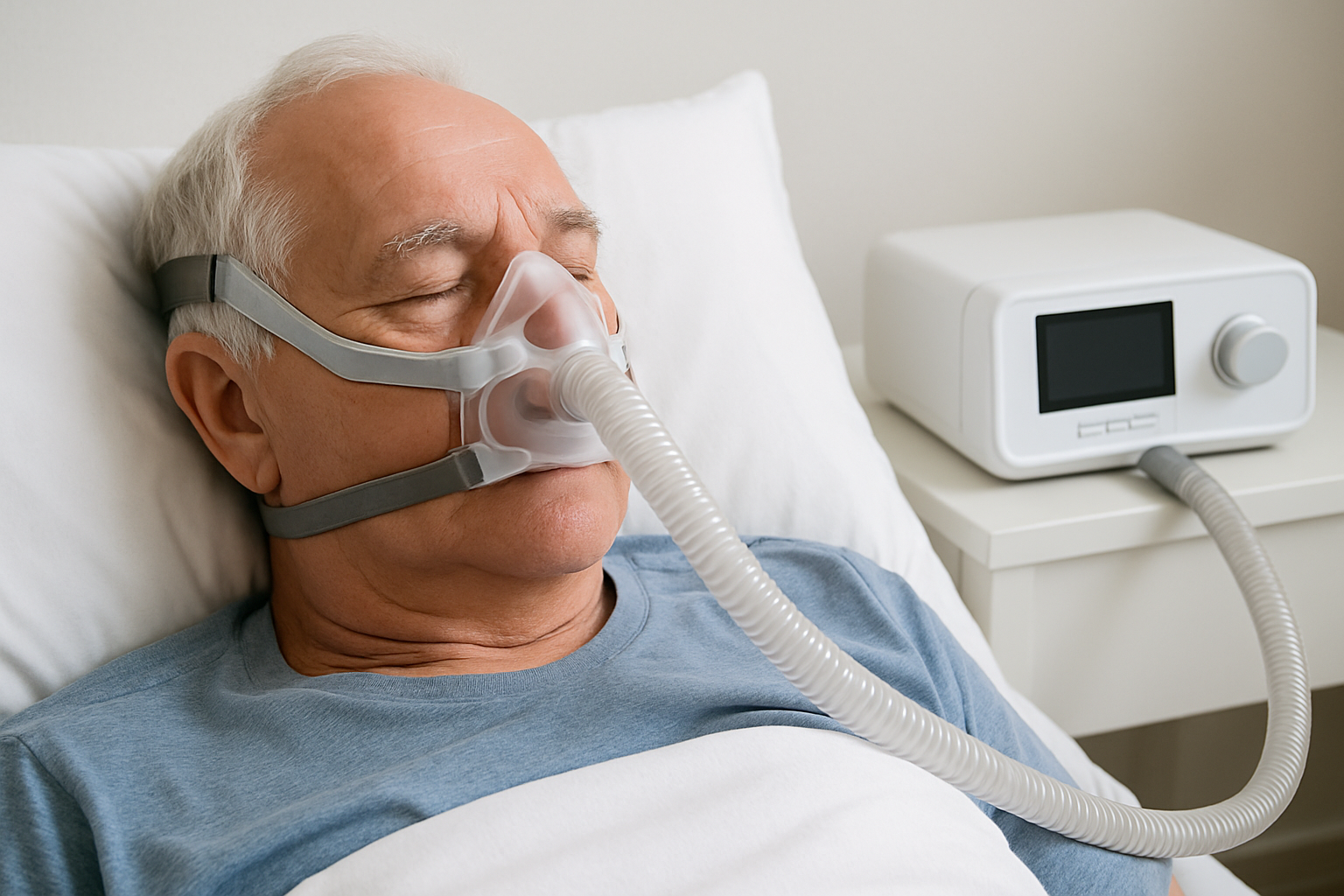
Understanding Sleep Apnea and Its Treatment
Sleep apnea is a potentially serious sleep disorder characterized by repeated interruptions in breathing during sleep. These interruptions can cause disruptions in restful sleep, leading to tiredness and other health problems. The most common type, obstructive sleep apnea (OSA), occurs when throat muscles intermittently relax and block the airway during sleep.
The primary treatment for moderate to severe sleep apnea is continuous positive airway pressure (CPAP) therapy, which uses a machine to deliver a steady flow of air through a mask to keep the airways open during sleep. Understanding how Medicare can help cover these costs is crucial for patients relying on this essential treatment.
Medicare Coverage for CPAP in the USA
Medicare, the federal health insurance program for people aged 65 and over, as well as certain younger people with disabilities, provides coverage for CPAP machines under specific circumstances. The coverage is part of Medicare Part B, which handles outpatient medical services.
Eligibility Criteria for Medicare Coverage
For a CPAP machine to be covered by Medicare:
- The patient must have a documented diagnosis of obstructive sleep apnea following a sleep study (polysomnogram) conducted in a sleep clinic or at home.
- A doctor or qualified healthcare provider must prescribe the CPAP machine for the treatment of diagnosed sleep apnea.
- The CPAP supplier must be Medicare-approved to ensure the equipment meets relevant standards and is billed correctly.
How Coverage Works
Medicare Part B covers CPAP therapy as durable medical equipment (DME). Here's how it typically works:
- Original Medicare covers 80% of the cost of a CPAP machine rental for a 13-month period, after you’ve paid the Part B deductible.
- If you’ve used the CPAP machine consistently for the first three months (adherence is crucial), Medicare might continue to cover it on a rental basis, transitioning to ownership after the rented term.
- Supplies such as masks, tubing, and filters are also covered, though replacement schedules can vary by part.
It's important for patients to maintain compliance and follow up with their healthcare providers to ensure continued coverage and optimal therapy outcomes.
Real-World Example of Medicare CPAP Coverage
Consider the case of John Doe, a 67-year-old retiree diagnosed with moderate sleep apnea. After his initial sleep study confirmed the condition, his doctor prescribed a CPAP machine. By choosing a Medicare-participating supplier, John was able to rent the machine, with Medicare covering 80% of the costs. After three months of documented use, Medicare continued to support his treatment, transitioning his rental into ownership after 13 months.
Common Questions About CPAP and Medicare
What happens if the CPAP machine isn't effective or tolerated?
Not all patients find CPAP therapy comfortable or effective initially. Medicare allows for alternatives, like an Auto CPAP or BiPAP, if a healthcare provider documents their medical necessity. Patients should consult with their doctor to explore these options.
Are there out-of-pocket costs?
While Medicare covers 80% of the approved CPAP costs, patients are responsible for the remaining 20% unless they have additional insurance that covers this gap. It's essential to check with both Medicare and any supplementary insurance plans for specific out-of-pocket cost responsibilities.
The Importance of Managing Sleep Apnea
Untreated sleep apnea can lead to severe health issues, including hypertension, heart disease, and stroke. By ensuring CPAP therapy is covered and accessible, Medicare helps mitigate these risks for beneficiaries, supporting their overall health and quality of life.
Recent Advances in Sleep Apnea Management
In 2026, the development of more sophisticated, user-friendly CPAP machines has made adherence easier for many patients. Features like quieter operation, advanced air pressure settings, and user-friendly interfaces enhance patient experience and treatment efficiency. These advancements emphasize the significance of having proper insurance coverage to access modern technology in sleep apnea care.
Additional Resources for Patients
For more information on Medicare's coverage for CPAP and sleep apnea treatment options, consult the following resources: