Understanding SNAP: How the Supplemental Nutrition Assistance Program Works
Diving into the complexities of the Supplemental Nutrition Assistance Program, this article provides insights into how the program supports families. Readers will discover essential details on eligibility, benefits, and services offered.
Understanding the Supplemental Nutrition Assistance Program (SNAP)
The Supplemental Nutrition Assistance Program, commonly known as SNAP, provides financial assistance to help low-income families and individuals purchase nutritious food. As a vital part of America's social safety net, SNAP reduces food insecurity and plays a crucial role in supporting the health and well-being of millions of Americans. This article delves into the key aspects of SNAP, addressing common questions and concerns to ensure you have a comprehensive understanding of this essential program.
What is SNAP?
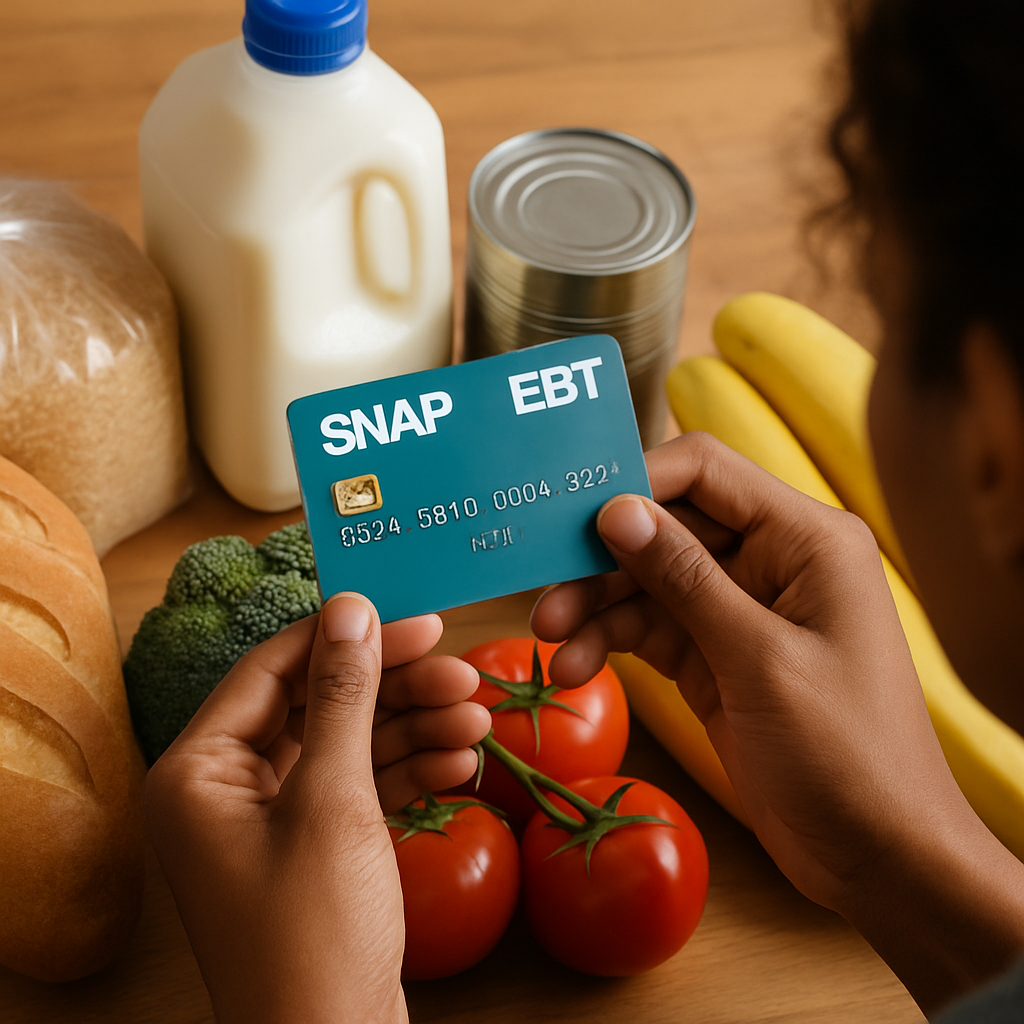
SNAP is a federal aid program administered by the United States Department of Agriculture (USDA). It aims to augment food purchasing power through direct financial assistance delivered via an Electronic Benefits Transfer (EBT) card. EBT cards work much like debit cards and can be used to buy eligible food items at authorized retailers.
Who Qualifies for SNAP?
Eligibility for SNAP benefits hinges on a variety of factors including income, household size, and assets. As of 2026, the following key criteria determine eligibility:
- Income Limits: Generally, households must have a gross income at or below 130% of the federal poverty line. Net income, income after deductions, must be at or below the poverty line.
- Household Size: Larger households have progressively higher income thresholds. Therefore, eligibility doesn't solely focus on income but considers the number of people who will benefit from the program.
- Assets: Non-exempt assets, like cash or money in a bank account, should not exceed certain limits, currently set at $2,750 for most households and $4,250 for households with a member aged 60 or older or someone with a disability.
The USDA provides a pre-screening tool to help determine eligibility; however, states administer the application process, so requirements can vary slightly depending on local guidelines.
How Does SNAP Benefit Communities?
SNAP benefits households and community economies alike:
- Reducing Food Insecurity: Access to SNAP reduces the prevalence of food insecurity by ensuring families have enough resources to purchase essential groceries.
- Boosting Local Economies: The funds provided through SNAP are often spent locally, thus supporting small businesses and generating economic activity. According to USDA data from 2026, every dollar in SNAP benefits generates approximately $1.70 in economic activity.
- Improving Health Outcomes: Regular access to nutritious food helps improve childhood development outcomes and reduces healthcare costs associated with diet-related conditions.
What Can You Buy with SNAP?
SNAP benefits can be used to buy a wide array of food products at participating stores, such as:
- Fruits and vegetables
- Meat, poultry, and fish
- Dairy products
- Bread and cereals
- Snack foods and non-alcoholic beverages
- Seeds and plants to grow food
Items not covered include alcohol, tobacco, non-food items like household supplies, vitamins, and hot foods prepared for immediate consumption.
Common Challenges and Criticisms
While SNAP is a critical resource, it faces challenges which include:
- Stigma: Some participants may feel embarrassed to use their benefits due to public perception, potentially discouraging participation.
- Bureaucracy: The application process can be cumbersome, with complexities in verifying eligibility hindering timely access to benefits.
- Benefit Adequacy: Advocates argue that the current benefit levels do not always meet household needs, especially given rising food costs in 2026, noted by the USDA's recent cost-of-eating survey.
Recent Developments in SNAP
In 2026, several changes and improvements have been introduced to enhance SNAP’s reach and effectiveness:
- Increased Benefit Models: Adjustments in benefit levels aim to more accurately reflect the cost of living and food inflation.
- Online Purchasing Options: During the pandemic, states embraced waivers allowing SNAP benefits on select e-commerce food purchases, a trend continuing to evolve in 2026.
This positive growth demonstrates ongoing governmental adaptation to enhance responsiveness to participants’ needs and maximize the program's societal benefits.
How to Apply for SNAP
Applying for SNAP is facilitated through state agencies. Interested individuals can follow these general steps:
- Find Your State Agency: Locate and contact the relevant state agency through the USDA’s list of state contact information. Visit the USDA state directory.
- Complete an Application: Applications can be completed online, via mail, or in-person at designated offices.
- Participate in an Interview: Most applications require a phone or face-to-face interview to verify eligibility.
The Future of SNAP
As America navigates economic changes, SNAP must evolve. Acknowledging emerging trends like technology integration and policy adaptations can help bolster the program’s success. Keeping abreast of these changes ensures that stakeholders and beneficiaries can continue depending on SNAP as a safety net against food insecurity.
In summary, the Supplemental Nutrition Assistance Program is more than just food assistance; it's a lifeline fostering community sustainability and individual health across America.