Understanding Social Security Payment Amounts and Schedule for 2026
Explore the Social Security payment amounts and schedule for 2026 in our detailed guide. Find out how adjustments might impact your benefits, ensuring you’re informed about potential changes.
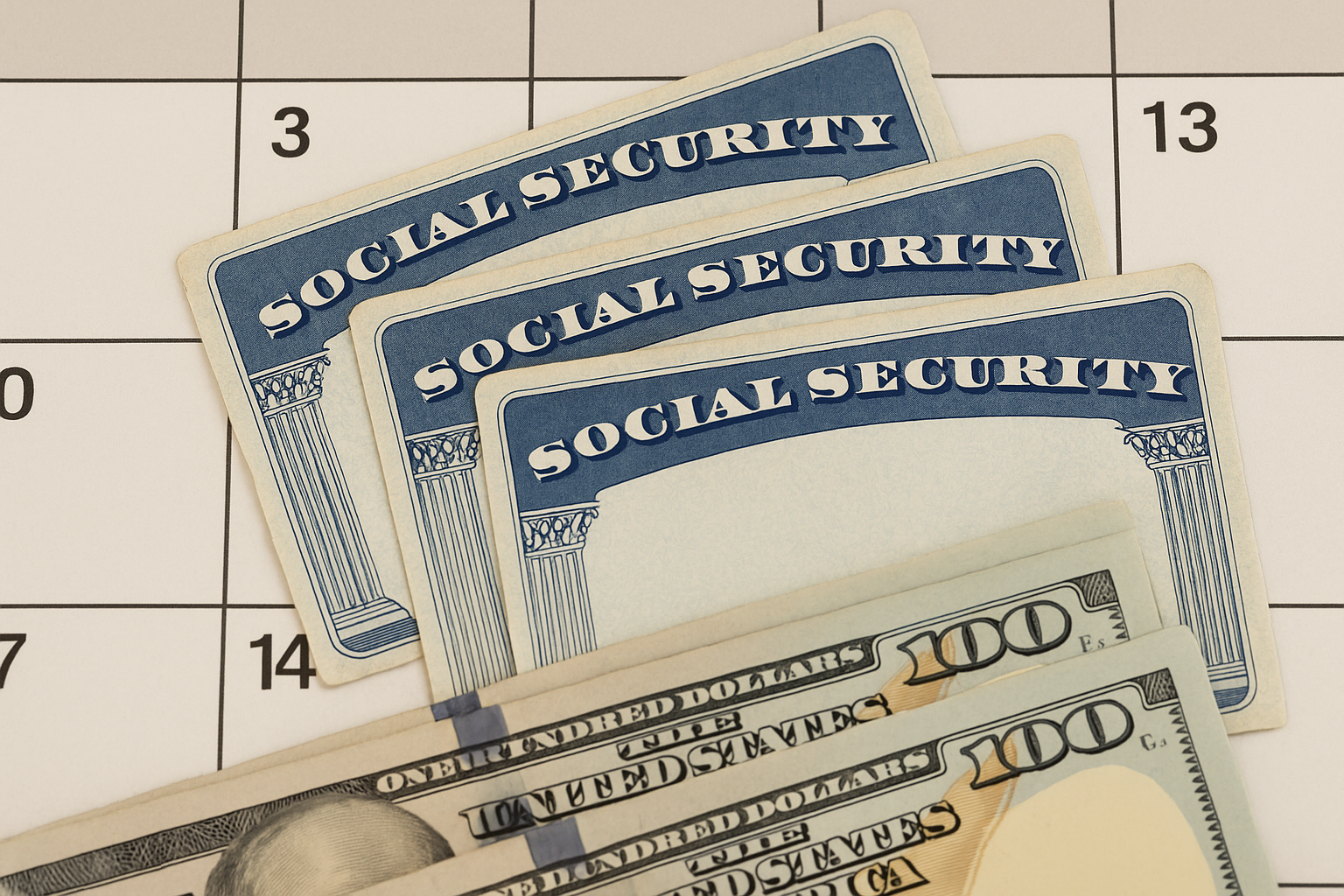
Understanding Social Security Payment Amounts and Schedule 2026
Social Security is a crucial part of financial planning for retirees and workers in the United States. As we move into 2026, understanding the Social Security payment amounts and schedule is essential for beneficiaries to effectively plan their finances. In this article, we’ll address common questions and provide clear insights into what you can expect from Social Security in 2026.
What Determines Social Security Payment Amounts?
Social Security payment amounts are based on several factors, primarily revolving around an individual’s earnings history and age at retirement. Here’s how it breaks down:
- Earnings Record: Social Security benefits are calculated using your average indexed monthly earnings (AIME) during your 35 highest earning years. The Social Security Administration (SSA) then applies a formula to these earnings to arrive at your primary insurance amount (PIA).
- Cost-of-Living Adjustments (COLA): Each year, Social Security benefits may be adjusted based on the Consumer Price Index (CPI) to help retirees keep up with inflation. In 2026, the COLA is projected to be around 2.4%, reflecting ongoing inflationary trends (SSA 2026 COLA Information).
- Age at Retirement: The age at which you decide to take your Social Security benefits also affects the amount. You can start receiving benefits as early as age 62, but waiting until your full retirement age (67 for those born in 1960 or later) or even delaying until age 70 increases your monthly payments.
2026 Social Security Payment Schedule
The calendar for Social Security payments in 2026 remains consistent with previous years, hinging primarily on the beneficiary's birth date. Payments are typically distributed as follows:
- Birth Date 1st-10th: Payments are made on the second Wednesday of each month.
- Birth Date 11th-20th: Payments are made on the third Wednesday of each month.
- Birth Date 21st-31st: Payments are made on the fourth Wednesday of each month.
It’s important for beneficiaries to be aware of these dates to plan accordingly, as any federal holidays can adjust the payment release by one day. The SSA ensures notifications for any such changes are communicated timely through their official channels (SSA 2026 Payment Schedule).
How to Maximize Your Social Security Benefits
Maximizing your Social Security benefits is a critical financial strategy, especially as we approach 2026 with its evolving economic conditions. Consider these steps:
- Work More Years: If your current income is higher than past years, consider working longer. This could replace lower-earning years with higher ones in your 35-year earning calculation.
- Delay Benefit Claims: Each year you delay taking Social Security past your full retirement age, your benefits increase by approximately 8% until age 70.
- Consider Spousal Benefits: If you're married, explore options around spousal benefits which can be up to 50% of your spouse's PIA if you’re at full retirement age.
The Impact of Inflation and Economic Conditions on Social Security
As of 2026, the U.S. is experiencing a steady inflation rate, primarily affecting the cost of living and purchasing power of retirees. Inflation impacts everyone differently, but for Social Security recipients, it translates directly into potentially higher benefit amounts through COLA adjustments. In 2026, keeping an eye on economic trends helps beneficiaries understand changes to their benefits over time. According to the Bureau of Labor Statistics, the Consumer Price Index has risen steadily, contributing to the annual COLA adjustment (BLS Current CPI Stats).
Common Questions About Social Security in 2026
- Will Social Security Run Out? Concerns about the Social Security Trust Fund's longevity continue. A 2026 Trustee Report projects funds to be exhausted by 2034, at which point incoming revenue will cover approximately 76% of scheduled benefits. It’s important for individuals to not solely rely on Social Security and consider diversified retirement plans.
- Does Working Affect My Benefits? If you work and are under full retirement age, $1 in benefits is withheld for every $2 earned above the annual limit ($21,840 for 2026). Once you reach full retirement age, there is no reduction, and past reductions due to earning limitations are recalculated into higher monthly benefits.
- How Secure is My Information? With growing cybersecurity concerns, the SSA has implemented stringent security measures to protect personal information, offering multifactor authentication processes and actively warning against phishing scams. Beneficiaries should regularly update their My Social Security account and use secure passwords.