Sperm Donation Clinics Guide
Sperm donation clinics support assisted reproduction through medically supervised programs. Learning about donor eligibility, screening, privacy policies, legal considerations, and the donation process can help individuals make informed participation decisions.
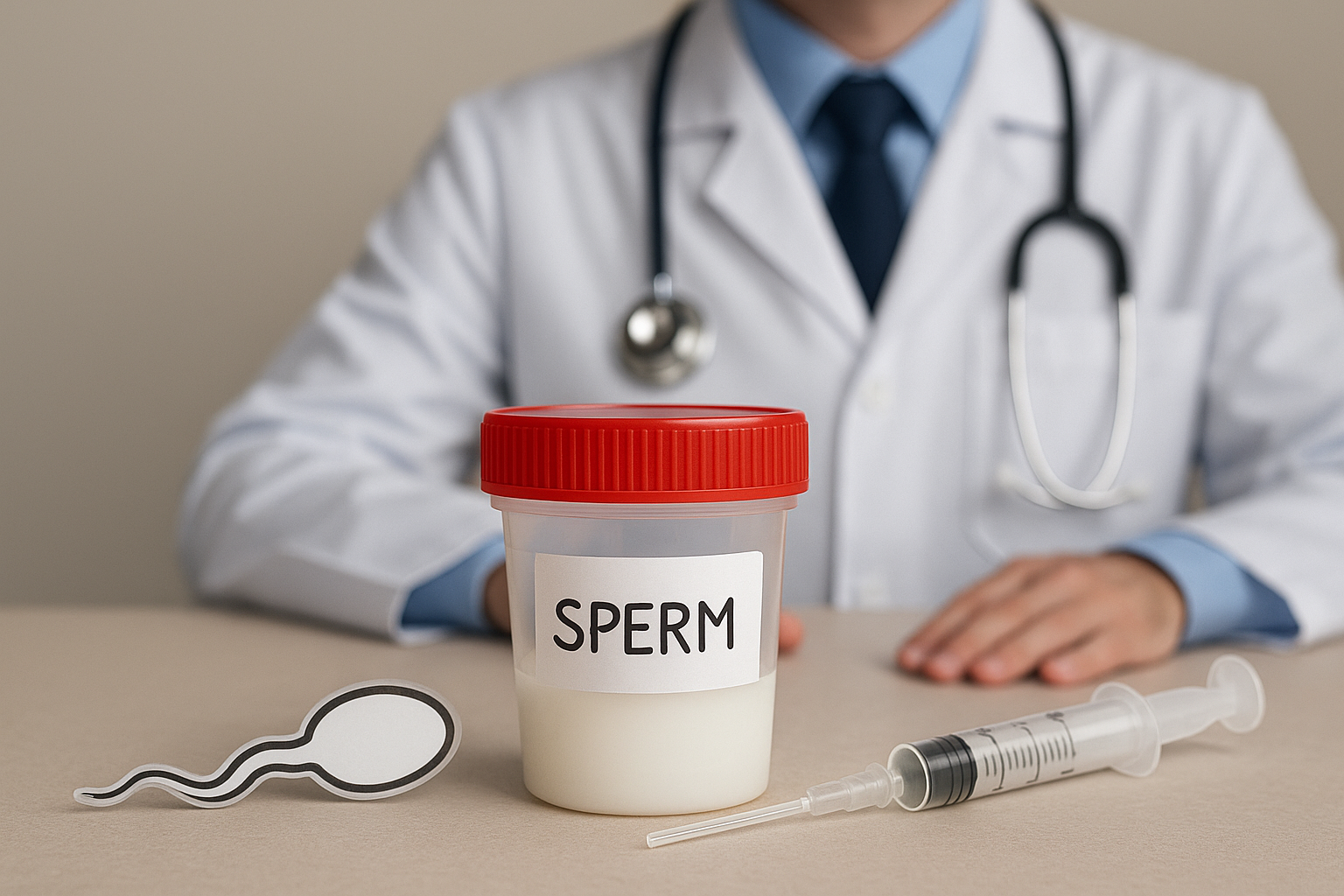
Understanding The Role Of Sperm Donation Clinics
Sperm donation clinics play an important role in helping individuals and couples grow their families through assisted reproductive methods. Many people explore sperm donation for different reasons, including fertility challenges, medical conditions, same-sex parenting plans, or personal family-building choices. For potential donors, sperm donation may also provide an opportunity to support others while receiving compensation for their time and commitment. Before participating, it is important to understand the eligibility requirements, the donation process, and the major factors involved in choosing the right clinic.
Eligibility Requirements For Sperm Donors
Most sperm donation clinics follow strict screening standards to ensure donor health and sample quality. Eligibility requirements often begin with age guidelines, with many clinics preferring donors between 18 and 39 years old. Applicants are usually required to provide a detailed medical history covering both personal and family health conditions. Clinics commonly review factors such as genetic disorders, chronic illnesses, lifestyle habits, and overall physical health.
Educational background, communication skills, and personal interests may also be reviewed at some clinics, depending on the preferences of intended parents. In addition to medical questionnaires, applicants may undergo physical exams, blood tests, and screenings for infectious diseases. Semen analysis is another standard step used to evaluate sperm count, movement, and quality before approval.
Step-By-Step Sperm Donation Process
The process generally begins with an online application or initial consultation. During this stage, applicants answer questions related to health, lifestyle, and medical history. If the basic qualifications are met, the clinic may invite the applicant for additional testing and interviews.
Once accepted into the donor program, the donor is usually asked to provide samples regularly over a specific period. Clinics often require donors to avoid certain activities before appointments, including smoking, alcohol use, or ejaculation within a recommended timeframe to maintain sample quality.
Samples are collected in private rooms within the clinic and then carefully analyzed and stored. Most clinics freeze donated sperm for future use and may quarantine samples for a period before releasing them for fertility procedures. Additional testing may be required during this waiting period to ensure safety and compliance with medical regulations.
Compensation And Participation Expectations
Compensation structures vary depending on the clinic, donation frequency, and local regulations. Some clinics provide payment per approved sample, while others offer bonus programs for consistent participation. However, compensation should not be the only factor considered when deciding whether to become a donor.
Important Factors To Review Before Participating
One important factor to review before participating is anonymity and privacy policies. Some donation programs allow anonymous donations, while others may involve identity-release arrangements that allow donor-conceived children to access certain information once they become adults. Understanding these policies can help donors make informed decisions about their future privacy expectations.
Legal considerations are also important. Reputable clinics typically require donors to sign agreements outlining parental rights, responsibilities, and confidentiality terms. Laws related to sperm donation may vary depending on the country or region, so reviewing local regulations can provide additional clarity.
Another factor to consider is the clinic’s reputation and accreditation. Researching clinic reviews, certifications, laboratory standards, and success rates can help potential donors feel more confident about the organization they choose. Clinics that follow strict medical and ethical standards often provide better transparency throughout the process.
Time commitment is another aspect many people overlook. Donors may be expected to attend regular appointments over several months, complete follow-up testing, and maintain communication with the clinic. Understanding these expectations ahead of time can help applicants determine whether the process fits their schedule and lifestyle.
Emotional And Personal Considerations
Emotional considerations may also play a role. While some donors view the process as a straightforward medical contribution, others may spend time reflecting on the possibility of helping create future families. Thinking carefully about personal comfort levels, long-term expectations, and emotional readiness is an important part of making an informed choice.
What Intended Parents Should Look For In A Clinic
For intended parents researching sperm donation clinics, reviewing donor screening standards, medical procedures, storage practices, and counseling services can be equally important. Many clinics provide detailed donor profiles and support services to guide recipients through the fertility process.
Final Thoughts
Sperm donation clinics continue to provide opportunities for both donors and families through medically supervised reproductive programs. By understanding the eligibility requirements, donation procedures, legal considerations, and clinic standards, individuals can make more informed decisions before participating. Careful research and open communication with qualified professionals can help create a smoother and more confident experience throughout the process.
Reference Links