Understanding State Farm Pet Insurance: What You Need to Know About Coverage at Veterinary Clinics
State Farm Pet Insurance offers a comprehensive coverage plan, but is it accepted by all veterinarians? While many clinics do work with major insurance providers, it's essential to check with your vet to confirm they accept State Farm Pet Insurance.
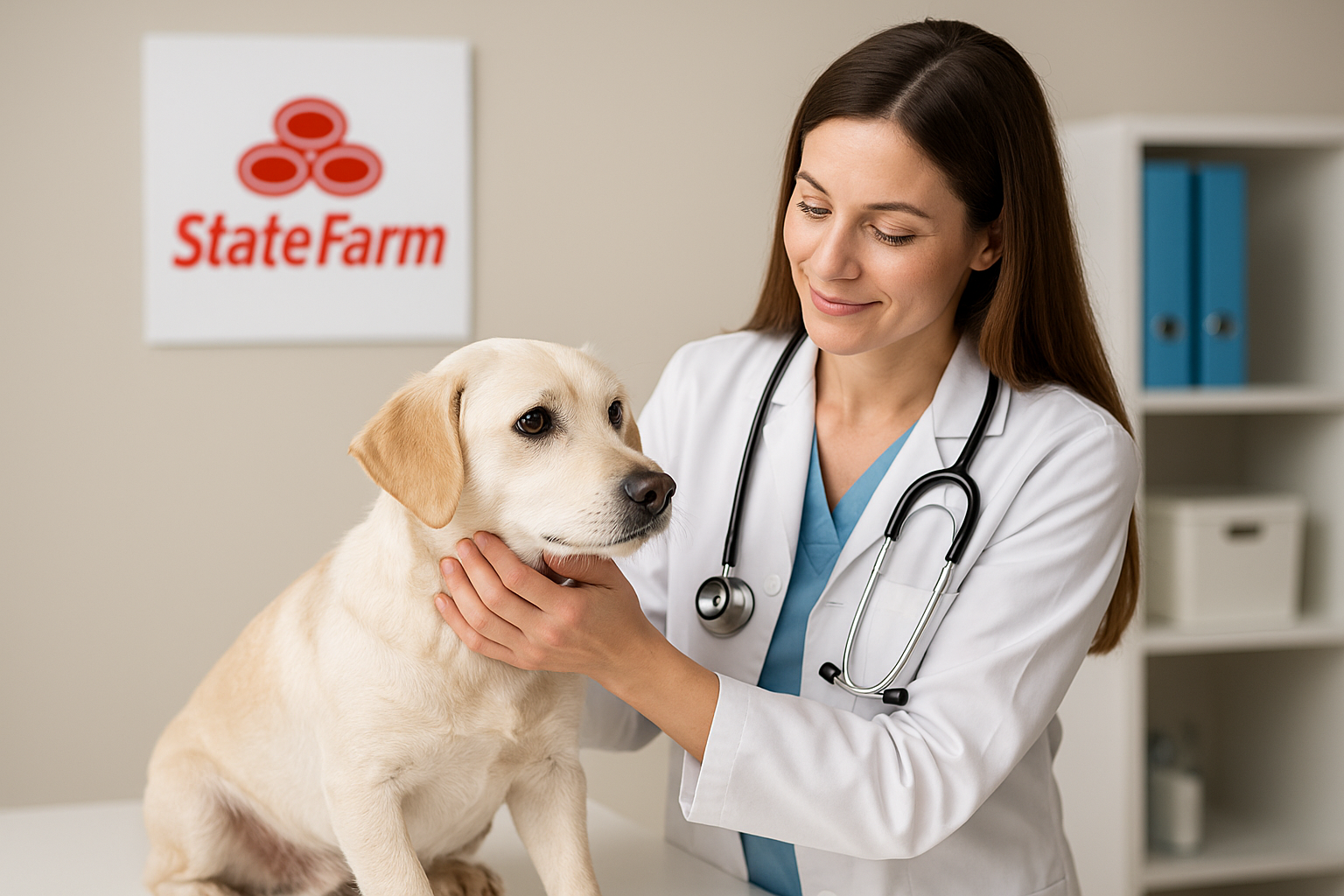
Understanding State Farm Pet Insurance
State Farm, a renowned insurance provider, is known for its comprehensive homeowner, auto, and life insurance policies. In recent years, they have entered the pet insurance market, offering coverage that helps alleviate the financial burden of veterinary care for pet owners. State Farm partners with Trupanion, one of the leading pet insurance providers, to deliver their pet health insurance services.
Key Features of State Farm Pet Insurance
State Farm’s pet insurance is designed to cover various health needs of pets, including accidents, illnesses, and certain hereditary conditions. Here are some of the notable features:
- Coverage Inclusions: The plan typically covers diagnostic tests, surgeries, treatments, and hospital stays.
- No Payout Limits: Unlike some other providers, State Farm’s policies do not impose limits on payouts, allowing you to claim as much as needed for covered conditions.
- Flexible Deductibles: The deductible is adjustable based on your financial situation, with options that can lower monthly premiums.
- Lifetime Per Condition Deductible: This means you pay the deductible for a specific condition once during your pet’s lifetime, rather than yearly.
Is State Farm Pet Insurance Accepted by All Veterinarians?
A common inquiry regarding pet insurance is whether the coverage will be accepted universally across veterinary clinics. Here’s how State Farm addresses this concern:
Direct Pay Network
State Farm, through its partnership with Trupanion, offers a direct pay system with participating veterinarians. This feature enables direct billing from the vet clinic to the insurance company, minimizing out-of-pocket expenses for pet owners.
Acceptance by Non-Network Veterinarians
If your veterinarian is not part of the direct pay network, you can still use State Farm pet insurance. In such cases, pet owners pay the vet bills upfront and then submit a claim to State Farm for reimbursement. Although this may require some paperwork, it ensures you have the flexibility to choose any licensed veterinarian.
Increasing Acceptance Among Vets
State Farm’s partnership with Trupanion and the direct pay convenience is garnering attention among veterinary practices. As of 2026, there has been an increase in the number of clinics joining this network, suggesting a trend towards wider acceptance.[1] However, it’s crucial to verify with your specific veterinarian to understand whether they are part of the network. You can usually do this by visiting the Trupanion partner page or directly consulting your vet.
Benefits of Pet Insurance for Pet Owners
For pet owners, insuring pets is not just about managing costs but also ensuring they receive the best possible care without financial stress. Here are some of the benefits:
- Predictable Costs: Monthly premiums help in budgeting for unexpected veterinary expenses.
- Peace of Mind: Insurance alleviates the stress of choosing between finances and your pet’s health when emergencies arise.
- Improved Care Options: Coverage can facilitate access to advanced treatment options without exorbitant out-of-pocket costs.
Making Informed Decisions about Pet Insurance
Deciding on pet insurance is a significant choice that can impact the well-being of your pet and your finances. Here’s how you can make an informed decision:
Evaluate Coverage Needs
Consider your pet’s specific health requirements and risks. Factors such as age, breed, and common health conditions can significantly influence the type of policy you should choose.
Comparing Insurance Providers
Compare policies not just for cost but for coverage details, such as exclusions, waiting periods, and claim processing times. Industry reports suggest that transparency in terms and conditions has become a key factor with consumers in 2026.[2]
Necessary Research and Resources
Utilize online resources to read reviews and compare customer satisfaction ratings. Organizations such as the North American Pet Health Insurance Association (NAPHIA) can provide additional insights and statistics to support your decision-making process.
Conclusion
State Farm Pet Insurance, coordinated through Trupanion, offers robust coverage that is increasingly being accepted by veterinarians nationwide. While acceptance may vary by clinic, the ability to choose any licensed veterinarian with reimbursement options ensures coverage flexibility remains a high priority. With the growing trend of clinics joining insurance networks, owning pet insurance continues to be a beneficial strategy for managing pet healthcare costs.
References
- Trupanion Partner Network Information
- North American Pet Health Insurance Association (NAPHIA) Reports
- https://www.statefarm.com/insurance/pet
https://www.statefarm.com/insurance/pet/dog-insurance
https://www.statefarm.com/insurance/pet/cat-insurance
https://www.statefarm.com/simple-insights/family/how-does-pet-insurance-work
https://www.statefarm.com/simple-insights/family/what-does-pet-insurance-cover