Understanding State Farm RV Insurance: Coverage for RVs in Storage
Curious whether State Farm RV Insurance covers your RV when it's in storage? Discover the crucial details about their policy to keep your vehicle protected. While some RV insurance plans offer storage protection, coverage specifics may vary.
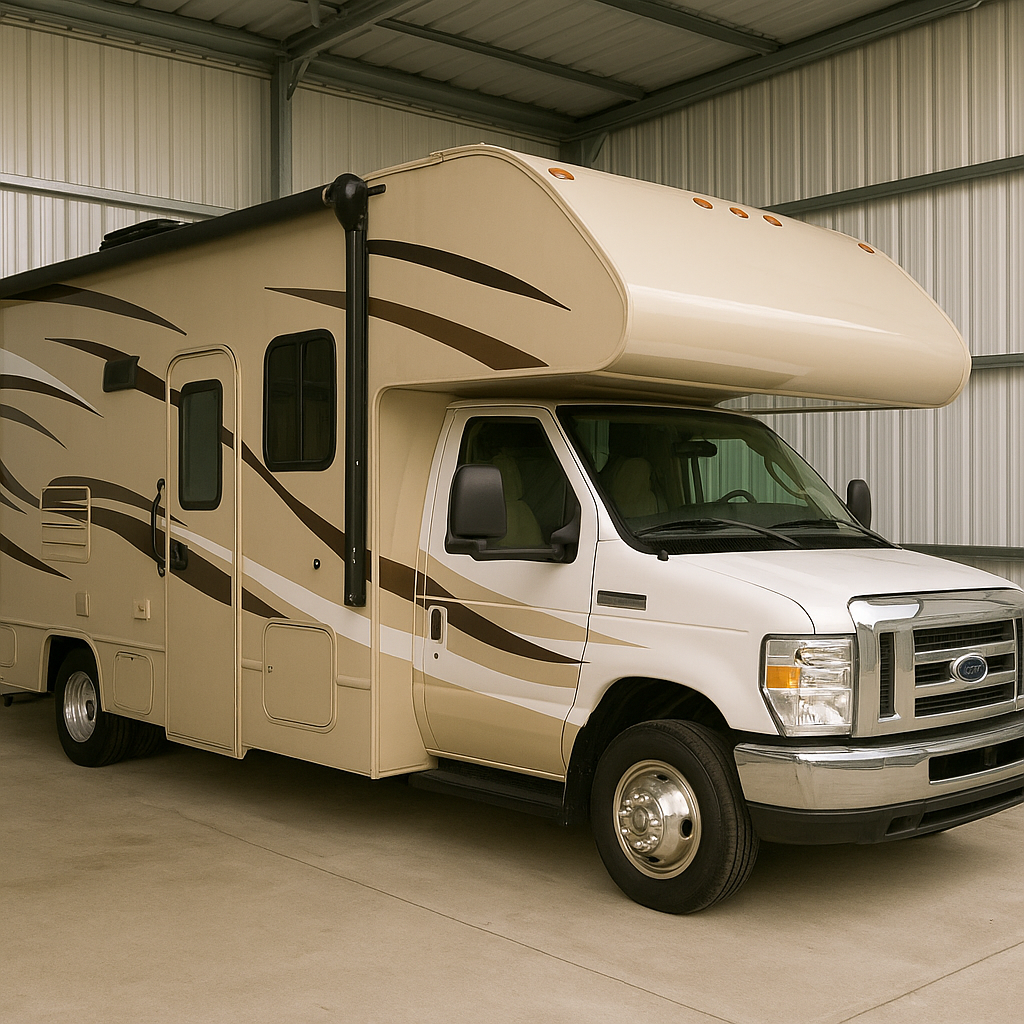
Understanding State Farm RV Insurance: Coverage for RVs in Storage
If you own an RV, you might be wondering how insurance works when your vehicle is not in use and stored away. One common question many RV owners have is, "Does State Farm RV Insurance cover RVs when they're in storage?" This is an important consideration, as understanding your coverage can help you avoid unpleasant surprises should something happen to your stored RV.
What is State Farm RV Insurance?
State Farm RV insurance is a specialized insurance policy tailored to protect recreational vehicles, which can include motorhomes, pop-up campers, travel trailers, and more. It offers various coverage options that cater to the unique needs of RV owners, ranging from liability to comprehensive and collision coverage. Beyond the basics, State Farm may offer options for specialty coverage such as roadside assistance and emergency expense coverage.
Comprehensive Coverage: Your RV in Storage
When your RV is in storage, it is particularly vulnerable to risks that are different compared to when it's on the road. Comprehensive coverage is essential during storage because it typically covers non-collision-related damages such as weather events, theft, vandalism, and fire—all of which are possible threats when your RV is parked for extended periods.
Case for Comprehensive Insurance During Storage
Comprehensive insurance remains active while your RV is in storage and it is vital for covering damages that might be sustained while off the road. For example, consider the following common scenarios:
- Theft or Vandalism: Your RV might be stored in a facility or your driveway. In both cases, it is susceptible to vandalism or theft. Comprehensive coverage will help recover losses in this event.
- Weather Damage: Natural disasters such as hail storms or floods can inflict significant damage on your RV. Policies with comprehensive coverage protect against these events.
- Fire: Fires, whether due to external causes or mechanical failures, pose a risk even when vehicles are not in active use.
State Farm's Approach to RV Storage Insurance
State Farm provides coverage options that are flexible and can be tailored based on your specific needs, particularly focusing on when your RV is in storage. Here’s how State Farm typically handles RVs in storage:
Cost and Benefits
State Farm offers a discount on RV insurance for periods when your vehicle is in long-term storage. This is known as a "storage option," where certain coverages like collision are suspended, thereby reducing premiums. It's crucial to talk to your State Farm agent about setting up a policy that reflects your RV usage during on and off seasons.
How Storage Coverage Works
Storage coverage is designed to maintain financial protection against specific types of risks during periods when the RV is not being driven. Before you choose a storage option, ensure that you fully understand the breadth of coverage—liabilities and the costs associated.
Guidelines for Storing Your RV
Besides having proper insurance coverage, following best practices for storing your RV can further safeguard your investment:
- Choose a Secure Location: Opt for a facility that offers security features such as surveillance cameras, fencing, and controlled access to lower the risk of theft or vandalism.
- Regular Inspections: Even when in storage, regular check-ups can help uncover issues like leaks or pest infestations before they cause significant damage.
- Prepare Your RV: Before storing, make sure your RV is clean, drained of water to prevent freezes, and batteries removed or disconnected to prevent corrosion or fire hazards.
Conclusion and Next Steps
State Farm RV Insurance provides customized options for RV owners who need to store their vehicles, offering comprehensive protection against common risks. Understanding the details of your policy can help you minimize costs while maximizing coverage. For those considering insuring their stored RV, it’s advisable to connect with a State Farm representative to explore specialized storage discounts and coverage options suitable for your needs.
By being informed and proactive, you can ensure that your RV remains protected and in good condition, ready for the road when the traveling season returns.
https://www.statefarm.com/insurance/motorhomes
https://www.statefarm.com/insurance/travel-trailers
https://www.statefarm.com/insurance/quotes