Understanding State Farm RV Insurance: Coverage for RVs in Storage
Wondering if State Farm RV Insurance covers RVs in storage? This informative article explores coverage options for RVs not in active use. Understanding your insurance can be crucial for peace of mind, whether your RV is on the road or safely tucked away.
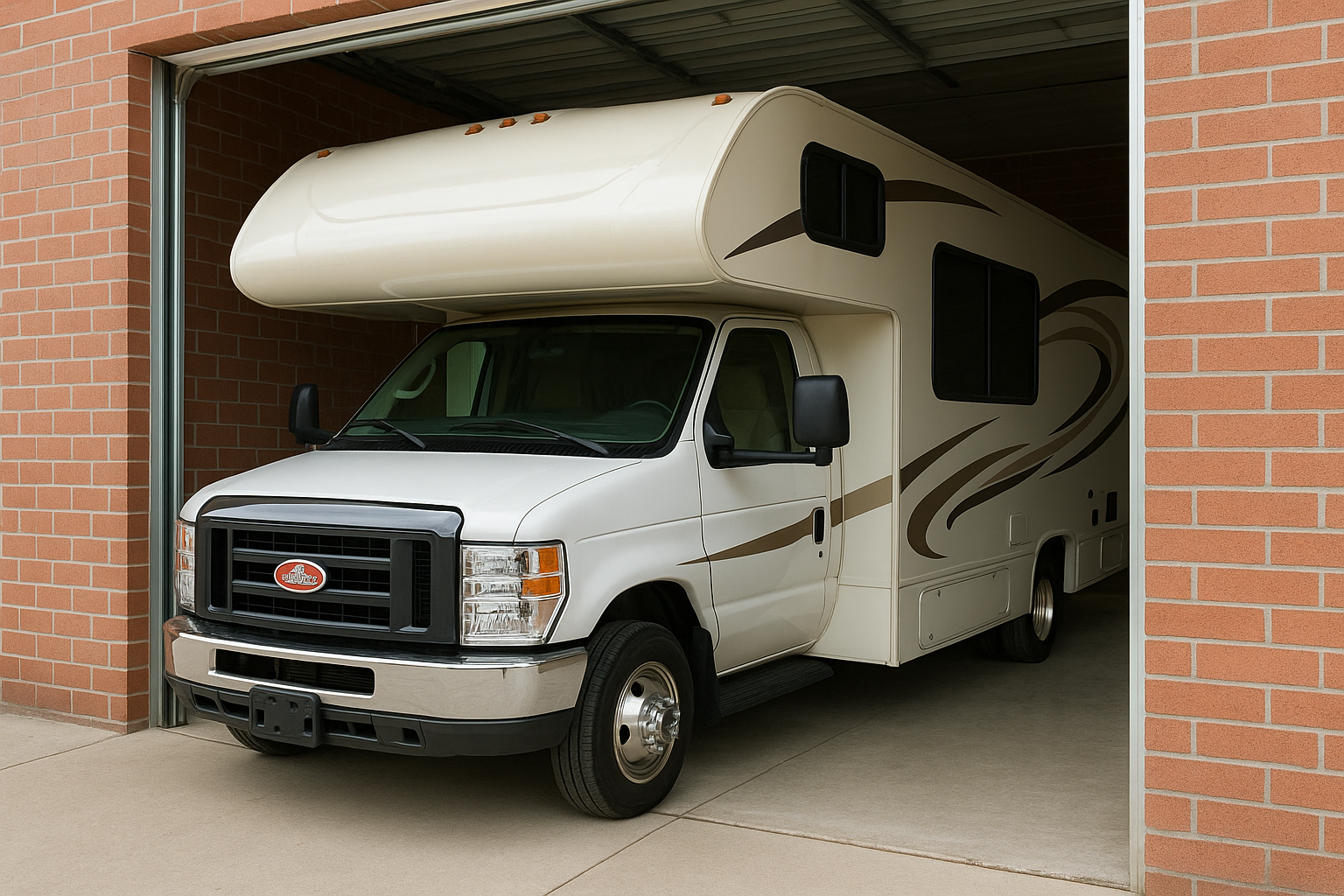
Understanding RV Insurance and Its Importance
Recreational vehicles (RVs) offer the freedom to explore the open road while bringing along the comforts of home. However, protecting this valuable investment is essential. RV insurance is designed to cover the unique risks associated with these vehicles, from accidental damage to liability for injuries caused by an accident. But what about when your RV is not on the road and is instead safely tucked away in storage?
Understanding the specificities of RV insurance coverage can help owners make informed decisions about their policies. One prominent question that arises is: Does State Farm RV Insurance cover RVs in storage? Let’s explore this topic in detail and discuss key aspects to consider when insuring an RV, whether it's on an adventure or resting until its next journey.
Does State Farm RV Insurance Cover RVs in Storage?
State Farm, one of the largest insurance providers in the United States, offers various types of insurance, including coverage specifically for RVs. When it comes to RVs in storage, State Farm typically provides coverage against comprehensive threats even when the RV is not being driven. This is known as comprehensive coverage and it protects against non-collision-related damage.
Here are some typical situations covered under comprehensive coverage:
- Theft
- Vandalism
- Fire
- Hail, wind, and other weather-related damages
- Animal damage
It’s crucial to verify your specific policy details with State Farm or any insurance provider to confirm coverage for these events and any additional options or riders available, especially if you plan on storing your RV for an extended period.
Why Is RV Storage Coverage Important?
Many RV owners make the mistake of assuming that they don’t need insurance while their RV is in storage. However, threats like theft, vandalism, and extreme weather can cause significant damage when your RV is stationary.
The following are a few reasons why maintaining RV insurance during storage is important:
- Protect your Investment: Without adequate insurance, you could face hefty repair costs.
- Policy Requirements: Some insurers require continuous coverage to prevent lapses in your insurance policy.
- Long-Term Protection: Insurance continuity helps maintain your protection level without gaps, leading to better outcome if a claim arises.
Real-World Examples & Scenarios
Imagine your RV is stored in a lot, and a severe hailstorm occurs, causing extensive damage to your vehicle's exterior. Without comprehensive insurance coverage, repairing this damage could cost thousands of dollars. Additionally, consider the risk of theft—RV components or the entire vehicle itself might be targeted while in storage.
Each of these examples emphasizes the importance of comprehensive coverage, as unexpected events can occur at any time.
Recent Data and Statistics
According to a 2026 report by the Insurance Information Institute, about 20% of insurance claims for RVs result from non-collision events, emphasizing the need for comprehensive coverage, particularly when the vehicle is not in active use. Additionally, limited coverage periods often result in higher premiums upon policy reinstatement, averaging increases of up to 15% according to recent insurance trends.
For more detailed insight into these statistics, consider reviewing resources like the Insurance Information Institute’s [2026 report](https://www.iii.org/) and a recent survey on RV insurance practices available at [J.D. Power](https://www.jdpower.com/business/insurance).
Things to Consider When Storing Your RV
When preparing your RV for storage, follow these best practices to help mitigate potential risks:
- Location: Choose a storage facility with high security and protection from weather elements.
- Maintenance: Keep up with regular maintenance to ensure the RV is in optimal condition before storing.
- Insurance Review: Review your insurance policy details and make necessary updates to your coverage.
Consulting with Your Insurance Provider
Every insurance policy can be unique. It's vital to have in-depth discussions with your provider to understand specific coverage options and identify the best protection for your lifestyle and RV usage frequency.
Some questions to ask include:
- What specific events does my comprehensive coverage include?
- Are there any stipulations for maintaining coverage during extended storage?
- Can I add or modify coverage options based on seasonal storage?
Conclusion
Understanding the nuances of your RV insurance, especially concerning storage coverage, can protect your investment and offer peace of mind. Whether your vehicle is traveling cross-country or taking a break in storage, ensuring coverage against potential threats can save you from unexpected financial burdens.
When it comes to protecting your RV in storage, collaboration with a trusted provider like State Farm offers comprehensive security, ensuring your adventures can resume without a hitch once you hit the road again.
https://www.statefarm.com/insurance/motorhomes
https://www.statefarm.com/insurance/travel-trailers
https://www.statefarm.com/insurance/quotes