Understanding State Farm RV Insurance: What It Covers for Storm Damage
Wondering if State Farm RV insurance covers storm damage? We dive into what policies might offer in terms of storm protection for your recreational vehicle. Factors such as policy specifics and regional considerations can affect coverage.
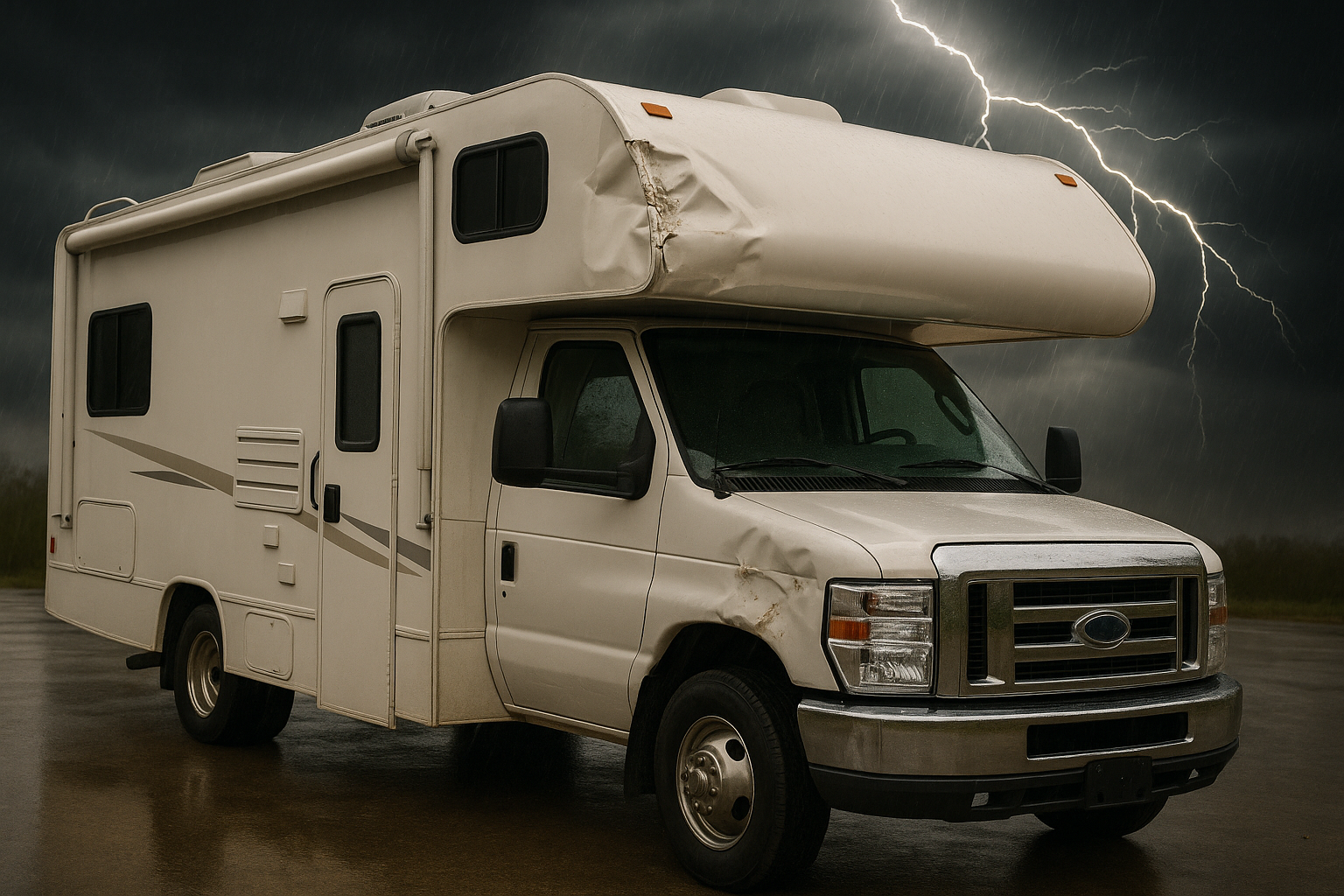
Understanding State Farm RV Insurance Coverage
Recreational vehicles (RVs) offer a unique blend of travel comfort and freedom, allowing owners to explore the world at their own pace. However, just like any other vehicle, RVs require comprehensive insurance coverage that protects against various risks, including storm damage. One of the most frequent questions RV owners have is, "Does State Farm RV insurance cover storm damage?" This guide aims to explore the different aspects of RV insurance with a particular focus on storm-related risks.
What is State Farm RV Insurance?
State Farm is one of the leading insurance providers in the United States, offering a wide range of insurance products, including RV insurance. An RV insurance policy typically encompasses the basic coverages found in auto insurance, while also offering specialized options tailored to the unique needs of RV owners. This includes considerations like the size of the vehicle and provisions for living space.
Does State Farm RV Insurance Cover Storm Damage?
Yes, State Farm RV insurance can cover storm damage, but the specifics depend on the type of policy and the additional coverage options selected by the policyholder. Here’s how it typically works:
- Comprehensive Coverage: This is an optional coverage that protects against non-collision-related damage to your RV, including storms. It generally covers damage caused by wind, hail, lightning, and flooding.
- Collision Coverage: While this primarily covers accidents involving other vehicles or objects, any damage directly caused by a storm-related collision would also be covered under this provision.
Key Considerations for Storm Damage Coverage
When considering storm damage coverage, it’s important to understand the terms and conditions outlined in your policy. Here are key considerations:
- Deductible Levels: The deductible is the amount paid out of pocket before insurance coverage kicks in. Selecting a higher deductible can lower your premiums but will increase your cost in the event of a claim.
- Policy Limits: Ensure that your coverage limits are sufficient to cover the potential cost of extensive storm damage, which can be substantial.
- Additional Coverage Options: Consider add-ons like emergency expense coverage, which can cover the cost of lodging if your RV becomes uninhabitable due to storm damage.
Steps to Take Before and After a Storm
To prepare for potential storm damage, consider these proactive steps:
- Maintenance: Regularly inspect and maintain your RV's roof, windows, and seals to prevent water ingress.
- Safe Parking: Ideally park your RV away from trees and in an area less likely to flood.
- Documentation: Keep detailed records and photos of your RV’s condition before a storm, to streamline the insurance claim process if damage occurs.
- After a Storm: Assess damage safely, document it, and contact State Farm for guidance on claiming repairs.
Real-world Examples of Storm Situations
To understand how storm coverage can play out, consider these examples:
In 2024, a multiple-day storm resulted in widespread hail damage to RVs in the Midwest. Many insured State Farm policyholders were able to repair their vehicles swiftly due to comprehensive coverage. However, those with inadequate coverage faced substantial out-of-pocket expenses.
More recently, a severe thunderstorm in the Gulf Coast in 2026 caused widespread structural damage, highlighting the importance of having comprehensive and emergency expense coverage as a backup for temporary accommodation and repairs.
Evaluating Your Current RV Insurance Policy
If you currently have State Farm RV insurance, reviewing your policy annually or after a life-changing event, such as purchasing additional RV accessories, is prudent. Ensure coverage aligns with potential risks, such as increased severity and frequency of storms due to climate change.
Resources for Further Information
For additional insights, consult the following resources:
- State Farm Official Site - RV Insurance
- Consumer Reports on Climate Change and Insurance
- Insurance Information Institute
Conclusion: Assess Your Coverage Needs Regularly
Having adequate RV insurance coverage is not only about compliance; it’s about peace of mind and safeguarding your investment. As the climate continues to change, the incidence and intensity of storms may increase, thereby emphasizing the importance of understanding and potentially upgrading your coverage with State Farm's comprehensive and optional policies.
https://www.statefarm.com/insurance/motorhomes
https://www.statefarm.com/insurance/travel-trailers
https://www.statefarm.com/insurance/quotes