Understanding Testosterone Replacement Therapy: A Guide for Men with Hypogonadism
Testosterone replacement therapy is a treatment option for men experiencing symptoms of male hypogonadism, a condition characterized by low testosterone levels. This therapy may help alleviate issues like fatigue and low libido, but it isn't a onesizefitsall solution.
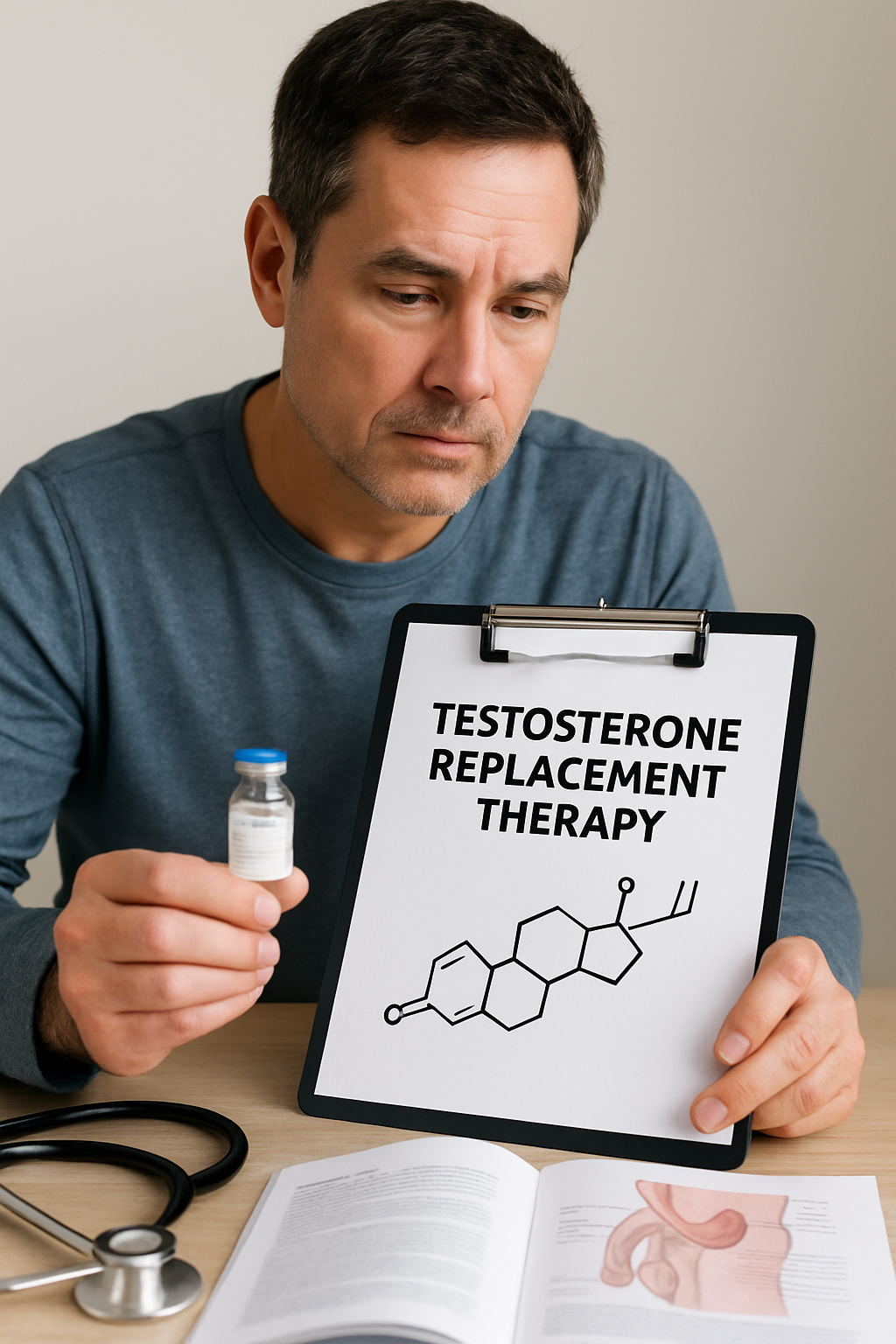
Understanding Male Hypogonadism
Male hypogonadism is a condition characterized by the body's inability to produce adequate levels of testosterone, the hormone pivotal for male physical development and sexual function. This deficiency can stem from issues with the testes or the pituitary gland, which controls hormone production in the testes.
Symptoms of hypogonadism can be diverse, often affecting various aspects of a man's health and life. Understanding the symptoms can help in early diagnosis and treatment.
Common Symptoms of Male Hypogonadism
- Reduced libido and sexual dysfunction
- Decreased energy and fatigue
- Loss of muscle mass and strength
- Mood changes, often leading to depression or irritability
- Increased body fat
- Osteoporosis or weakened bones
- Infertility issues
It's crucial for individuals experiencing these symptoms to consult with a healthcare provider who can evaluate them through a detailed medical history and necessary blood tests.
What is Testosterone Replacement Therapy (TRT)?
Testosterone Replacement Therapy (TRT) refers to the medical treatment used to elevate the levels of testosterone in men suffering from hypogonadism. TRT aims to restore the hormone to physiologically normal levels, alleviating symptoms and enhancing quality of life.
Forms of TRT
- Topical Gels and Patches: Applied directly to the skin, allowing testosterone to be absorbed gradually.
- Injectables: Administered via intramuscular injections, offering more consistent testosterone levels.
- Implants: Pellets inserted under the skin that release testosterone over time.
- Oral Tablets: Protects testosterone from being metabolized too quickly by the liver.
Choosing the appropriate form of TRT is often based on patient preference, convenience, cost, and the potential for side effects.
Benefits of Testosterone Replacement Therapy
The benefits of undergoing TRT can be profound, particularly for those who experience significant symptom relief. While individual results can vary, several common benefits have been documented:
- Improved sexual function and increased libido
- Enhanced mood and emotional well-being
- Greater energy levels and reduced fatigue
- Increased muscle mass and strength
- Decreased body fat composition
- Improved bone density
Real-world examples abound where individuals report a marked enhancement in their quality of life after starting TRT, regaining the vitality that low testosterone had taken away.
Risks and Considerations
Despite its benefits, TRT is not without risks. It's imperative to weigh these risks against potential benefits:
- Polycythemia: Increased levels of red blood cells, potentially leading to blood clots.
- Sleep Apnea: Worsening of pre-existing conditions may occur.
- Prostate Health: Concerns about possible rapid growth of undiagnosed prostate cancer.
- Breast Enlargement: Also known as gynecomastia, may occur as a side effect.
Continuous monitoring by healthcare providers through regular blood tests and health evaluations is vital to manage these risks.
Who Should Consider TRT?
TRT is primarily recommended for men clinically diagnosed with hypogonadism. Not all cases of low testosterone are suitable for TRT, especially age-related declines where other lifestyle interventions might be more appropriate.
Evaluating Suitability for TRT
Before commencing TRT, medical practitioners should conduct a thorough evaluation which typically involves:
- Detailed symptom assessment
- Serum testosterone level measurement
- Evaluation of potential underlying causes of symptoms
- Discussion of potential risks and benefits
Patients should be fully informed about the nature and expectations of the therapy, considering their individual medical profiles.
Current Insights and Research
Recent studies in 2026 continue to shed light on TRT's comprehensive impacts. According to a study published in the Journal of Clinical Endocrinology & Metabolism, over 80% of participants reported significant improvements in quality of life metrics post-TRT. These findings underscore TRT's potential as a crucial intervention for diagnosed cases (endocrine.org).
Researchers at the Mayo Clinic have updated guidelines suggesting TRT's safe use in hypogonadism, stressing the importance of individualized treatment plans and regular monitoring (mayoclinic.org).
The ongoing research efforts aim to optimize therapy protocols, maximizing benefits while minimizing risks.
Conclusion
Testosterone Replacement Therapy presents a viable solution for men grappling with the challenges of male hypogonadism. While the treatment offers notable benefits, it's essential to approach it with a comprehensive understanding of the potential risks. Engaging in a continuous dialogue with healthcare professionals ensures that therapy is both safe and effective, paving the way for improved health outcomes and a better quality of life.