Understanding the Appeal: Why More Women Prefer Training in Ladies-Only Gyms
Ever wonder why so many women are swapping their co-ed gym memberships for a ladies-only space? It’s often about much more than just the equipment; it’s about creating an environment where you can truly focus on your fitness goals without distraction or discomfort.
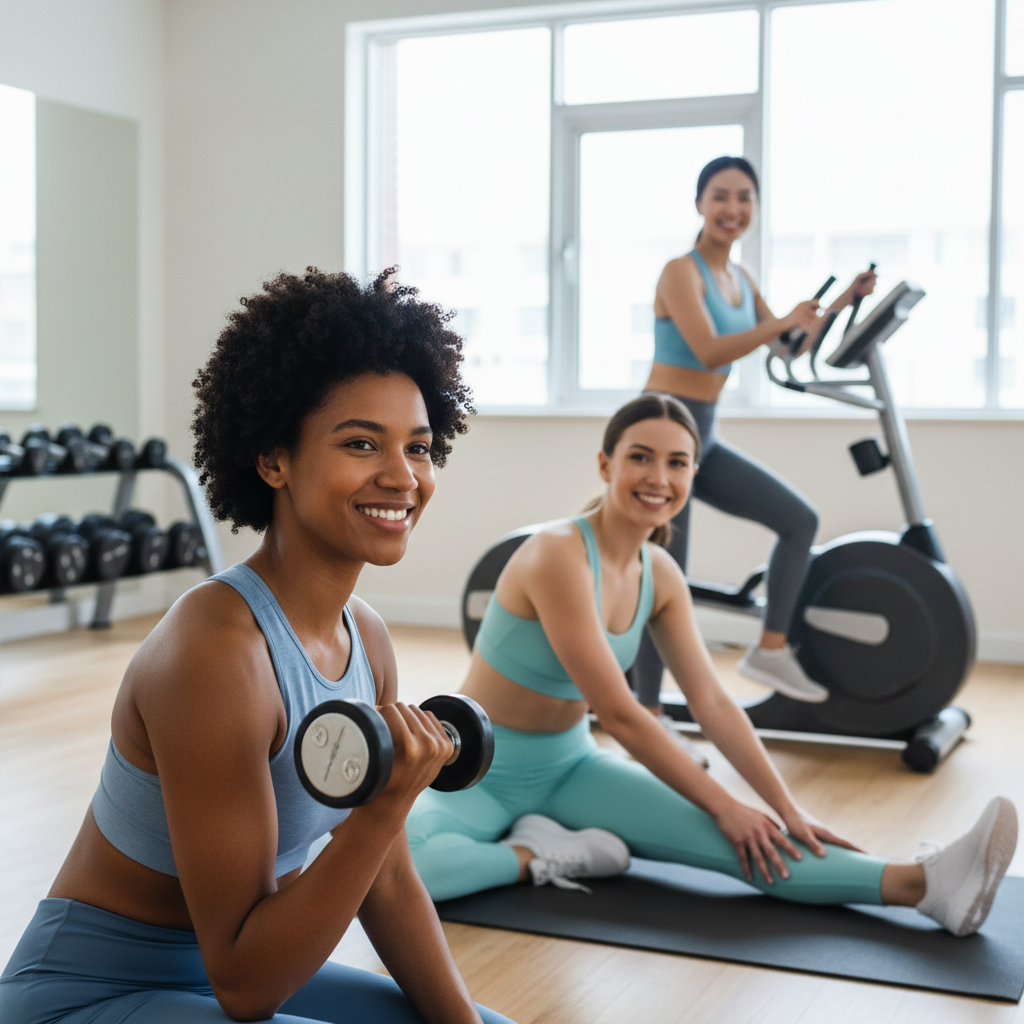
Key Reasons Women Choose Ladies-Only Gyms
The decision of where to work out is a personal one, influenced by goals, convenience, and comfort. For many women, a ladies-only gym provides an environment uniquely suited to their needs. This preference isn't about exclusion but rather about creating a space that addresses specific concerns and fosters a particular type of fitness journey. From reducing intimidation to building a strong community, several key factors drive this choice.
1. Reduced Intimidation and 'Gymtimidation'
One of the most significant barriers to starting or maintaining a fitness routine is "gymtimidation"—the feeling of anxiety or self-consciousness in a gym environment. This can be especially pronounced in traditional co-ed gyms, where the weights area is often dominated by experienced, muscular men lifting heavy. For women, particularly beginners, this can be incredibly daunting. There's a fear of using equipment incorrectly, being judged for lifting lighter weights, or simply feeling out of place.
A women-only gym effectively removes this specific dynamic. The environment is perceived as more welcoming and less judgmental. Members are more likely to be focused on their own progress without the added pressure of perceived observation or comparison to male counterparts. This allows women to feel more confident exploring new exercises, trying different machines, and focusing entirely on their form and goals without the mental burden of feeling like they are on display.
2. Enhanced Privacy and Modesty
Privacy is a paramount concern for many individuals. For cultural, religious, or personal reasons, some women prefer to exercise in a setting where they are not around men. This is particularly true for women who wear a hijab or adhere to specific modesty guidelines. A ladies-only gym provides a secure, private space where they can comfortably remove outer layers and work out in appropriate fitness attire without compromising their personal or religious values.
Beyond religious considerations, many women simply feel more at ease performing certain exercises—like squats, lunges, or floor work—without the presence of the opposite sex. This desire for privacy allows for a greater range of motion and a deeper focus on the exercise itself, rather than a preoccupation with how one looks or who might be watching. This comfort can lead to better form, more effective workouts, and a more positive overall experience.
3. Fostering a Strong Sense of Community and Support
Women-only gyms often cultivate a unique and powerful sense of community. When members share common experiences and goals, it naturally fosters an atmosphere of camaraderie and mutual support rather than competition. This environment encourages friendships to form, workout partners to team up, and members to cheer each other on. This supportive network is a huge motivator and can be the key to long-term adherence to a fitness program.
This community aspect extends beyond the gym floor. Many women's gyms organize social events, wellness workshops, and group challenges that strengthen bonds among members. Knowing you're part of a supportive group can make going to the gym feel less like a chore and more like a positive social and self-care activity. This sense of belonging is a powerful tool for building lasting healthy habits.
4. Specialized Equipment and Tailored Classes
While not universally true, many ladies-only gyms are designed with the female body and common fitness goals in mind. This can translate to a selection of equipment that is more ergonomically suited to women's frames. For example, machines may have different grip sizes, seat adjustments, or weight stacks that are more appropriate for female biomechanics and strength levels. This attention to detail can lead to safer and more effective workouts.
Furthermore, the class schedules are often tailored to interests popular among women. You are more likely to find a wider variety of classes like Zumba, barre, Pilates, yoga, and specific strength training programs designed for women's health goals, such as pre- and post-natal fitness. This specialization ensures that the services offered are directly relevant to the target demographic, increasing engagement and satisfaction.
5. Freedom from Unwanted Attention and Harassment
A difficult but important reality is that many women experience unwanted attention, staring, or unsolicited advice in co-ed gym settings. This can range from subtle glances that make them feel uncomfortable to overt comments or attempts at conversation while they are trying to focus. This unwelcome behavior is distracting at best and can feel threatening at worst, turning a place of health and wellness into a source of stress.
A women-only gym provides a sanctuary from this behavior. It guarantees an environment where a woman can wear what she feels comfortable in, listen to her music, and fully immerse herself in her workout without worrying about being watched or approached. This freedom allows for a purely fitness-focused experience, where the only thing on her mind is the next set or the next mile.
The Evolution of Women's Fitness Spaces
The concept of a dedicated fitness space for women is not new; it has evolved alongside societal views on women's health and physical activity. In the late 19th and early 20th centuries, physical culture for women was often limited to gentle calisthenics or specific activities deemed "ladylike." Gymnasiums were almost exclusively male domains.
The fitness landscape began to shift dramatically in the latter half of the 20th century. The aerobics boom of the 1970s and 80s, popularized by figures like Jane Fonda, brought millions of women into group fitness. However, traditional weight rooms remained male-dominated. Recognizing a massive underserved market, entrepreneurs began opening women-only health clubs. Franchises like Curves, founded in 1992, exploded in popularity by offering a simple, quick, and non-intimidating circuit-training workout in a female-only environment. This model proved that there was a significant demand for fitness spaces where women felt they belonged.
Today, women-only gyms have evolved beyond simple circuit training. They are now full-service facilities offering a wide range of equipment, specialized classes, and holistic wellness services. Their continued popularity highlights a persistent need for safe, supportive, and empowering environments that cater specifically to the fitness and comfort of women.
Exploring Related Fitness Topics
Are Ladies-Only Gyms Better for Beginners?
For individuals just starting their fitness journey, the gym can be an overwhelming place. Learning how to use various machines, understanding proper form, and building a routine takes time and confidence. In this context, a ladies-only gym can be an exceptional starting point. The typically lower levels of "gymtimidation" create a more forgiving atmosphere where a beginner feels comfortable asking questions and learning at her own pace without fear of judgment.
The strong community aspect also plays a crucial role. More experienced members are often willing to offer advice and encouragement, and group fitness classes can feel more welcoming. This supportive ecosystem can be instrumental in helping a beginner build the confidence and consistency needed to make fitness a long-term habit. While a co-ed gym can also be a great place to start, the unique environment of a women's gym often provides a softer landing for those new to the world of fitness.
What Should You Look for When Choosing a Women's Gym?
When selecting a women-only gym, it's important to look beyond the basic premise and evaluate if it's the right fit for your specific needs. First, consider the variety and quality of equipment and classes. Does it have the free weights, machines, and cardio equipment you need? Does the class schedule align with your interests and your daily schedule?
Next, assess the atmosphere and community. Most gyms offer a free trial or a day pass. Use this opportunity to get a feel for the vibe. Do the members seem friendly and supportive? Are the staff and trainers approachable and knowledgeable? Cleanliness and hygiene are also critical factors. Check the condition of the changing rooms, showers, and the gym floor itself. Finally, consider the location, operating hours, and membership cost to ensure it fits conveniently and affordably into your lifestyle.
Do Co-Ed Gyms Offer Women-Only Sections?
Recognizing the demand for female-centric spaces, many large co-ed gym chains have started offering women-only sections as a compromise. These are designated areas within the larger facility, often equipped with a basic selection of cardio machines, strength-training equipment, and free weights. This hybrid model aims to provide the best of both worlds: the privacy of a women-only space combined with the extensive equipment and amenities of a large co-ed gym.
For some, this is an ideal solution. It allows them to perform certain exercises in a more private setting while still having access to a wider variety of machines, pools, or specialized classes in the main gym area. However, these sections can sometimes be smaller and less equipped than a fully dedicated women's gym. The level of privacy can also vary, as the area may still be visible or easily accessible from the main floor. The choice between a dedicated ladies' gym and a co-ed gym with a women's section ultimately depends on an individual's priorities regarding privacy, equipment needs, and overall gym atmosphere.
Conclusion
The preference for a ladies-only gym is a multifaceted choice rooted in a desire for comfort, privacy, community, and a focused fitness experience. These specialized environments successfully address common barriers that can make traditional gyms feel intimidating or uncomfortable for women. By providing a supportive, non-judgmental atmosphere free from unwanted attention, women-only gyms empower their members to pursue their health and wellness goals with confidence. Ultimately, the best gym is the one where an individual feels motivated, safe, and empowered to return consistently.
For further reading on creating inclusive fitness environments, you can explore resources from leading health and wellness organizations: