Understanding the Benefits of Low Mileage Discounts on Your Car Insurance
Curious about how low mileage can impact car insurance premiums? Discover why insurers might lower premiums for those who drive fewer miles, and learn how less time on the road could affect your rates.
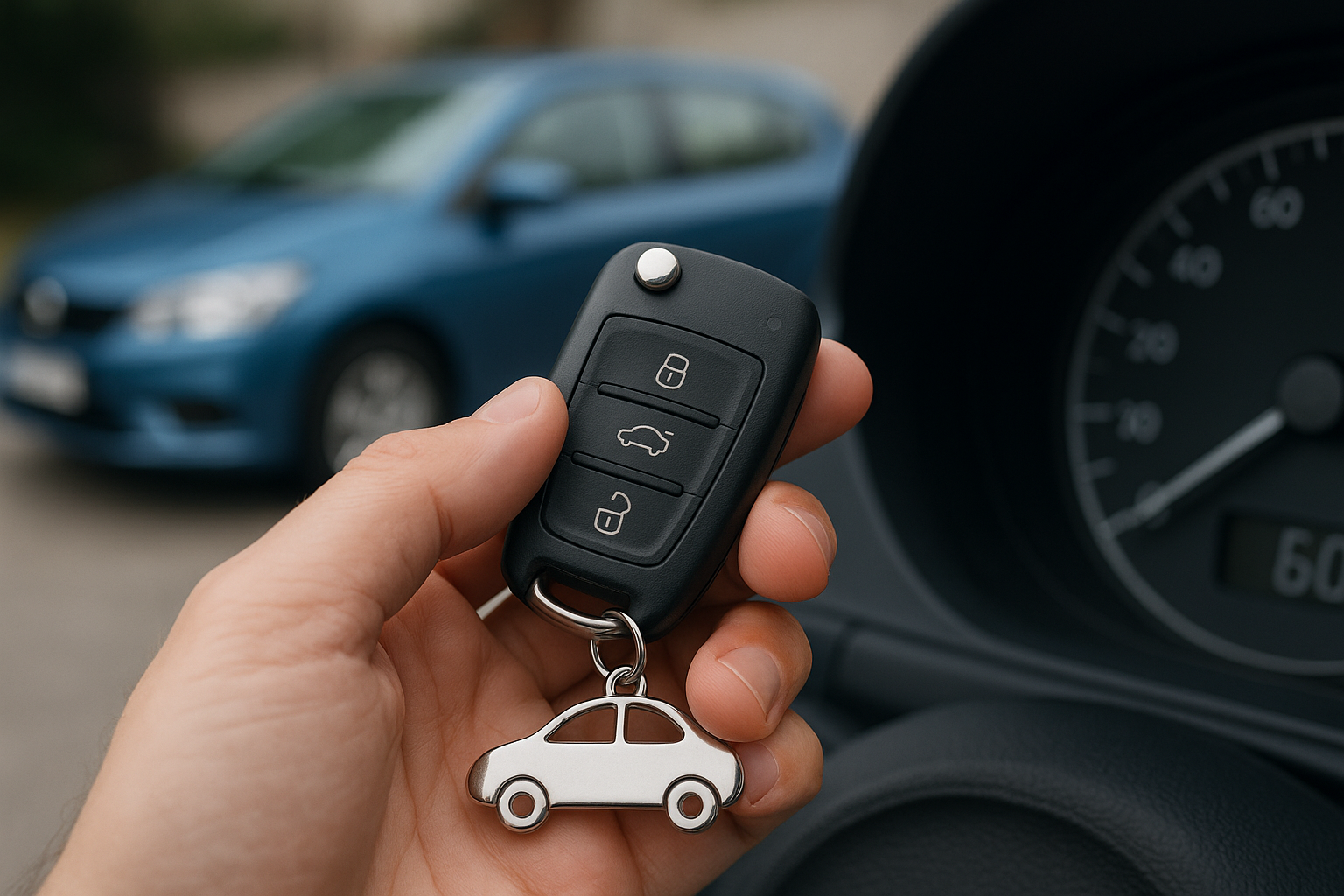
Understanding Car Insurance Premiums
Car insurance premiums can be a significant expense for many drivers. These premiums are determined by various factors, including the driver's age, driving history, car model, and mileage. Knowing how these factors impact your insurance premium can help you make cost-effective decisions.
Factors Affecting Car Insurance Premiums
Before diving into how mileage can impact your premiums, it's essential to understand some of the key factors insurers consider:
- Driver's Age and Experience: Younger drivers often face higher premiums due to their lack of experience and higher risk of accidents.
- Type of Vehicle: High-performance cars or luxury vehicles usually have higher insurance rates because they are more costly to repair or replace.
- Driving Record: A clean driving record can lower premiums, while a history of accidents or traffic violations can increase them.
- Location: High traffic areas or regions with high car theft rates typically have higher insurance costs.
How Low Mileage Influences Car Insurance Premiums
One lesser-known but significant factor influencing car insurance premiums is annual mileage. Understanding this relationship can help drivers save on insurance costs.
The Low Mileage Discount
Many insurers offer a low mileage discount to drivers who drive fewer miles annually. Fewer miles mean less time on the road, reducing the likelihood of accidents. As such, insurers recognize low mileage as a reduced risk and offer discounts to such drivers.
Qualifying for a Low Mileage Discount
To qualify for a low mileage discount, insurers typically look for:
- Annual Mileage: Drivers who travel below a certain number of miles annually, often between 7,500 and 10,000 miles, are eligible for discounts.
- Clear Tracking: Many insurers require mileage tracking through mileage verification processes or technology like telematics.
- Regular Reporting: Keeping accurate and updated mileage data is crucial for maintaining eligibility.
A 2026 study by the Insurance Information Institute highlights that low-mileage drivers can save up to 15% on their premiums compared to average-mileage drivers. These savings make adopting habits to reduce driving worthwhile.
Strategies to Lower Mileage
Adopt Carpooling or Public Transport
One effective way to lower your mileage is by carpooling with co-workers or using public transportation. Reducing the frequency of using your car not only helps in availing lower premiums but also decreases your overall transportation costs.
Consider Remote Work Options
With the increase in remote work opportunities, leveraging this trend can significantly cut down on annual mileage. More companies are adopting flexible work policies, allowing employees to work from home, thus reducing commuting needs.
Plan Efficient Routes
Planning your errands and trips to avoid unnecessary driving can effectively decrease your mileage. Use modern navigation apps to find the shortest and most efficient routes for your daily travels.
Real-World Examples and Insights
Jane, a 2026 case study participant reported by Consumer Reports, managed to cut her annual insurance premiums by 12% by reducing her driving from 15,000 miles to under 9,000 miles annually. Her reduction strategies included working remotely three days a week and utilizing public transportation.
Insurers like Allstate and Geico offer telematics systems that track average annual mileage, providing drivers with more personalized insurance premiums based on actual road exposure.
Conclusion: Rethink Your Driving Habits
Understanding the impact of low mileage on car insurance premiums empowers you to make informed decisions that can lead to significant savings. Whether it's through adopting alternative transportation methods or optimizing your driving patterns, the potential for longer-term financial benefits is evident.
For more insights on lowering your car insurance premiums by driving less, visit industry resource hubs or reach out to your insurance provider to explore available options tailored to your driving habits.
Source 1: https://www.iii.org/fact-statistic/facts-statistics-auto-insurance