Understanding the Common Factors Contributing to Low Libido in Men
A dip in libido is more common than many men realize, and the reasons behind it are often a mix of physical, mental, and lifestyle factors.
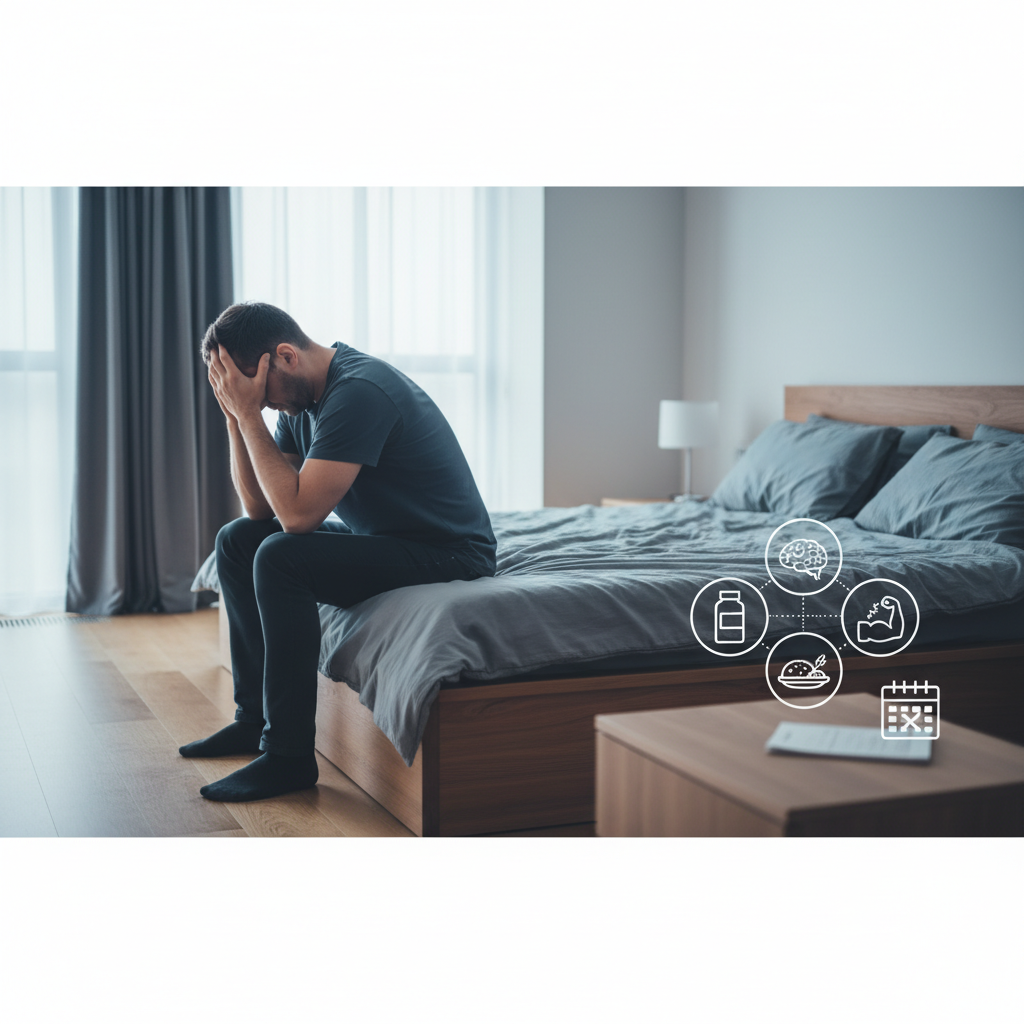
What Causes Low Libido In Men? A Comprehensive Guide
A man's sex drive, or libido, is a complex interplay of physical, psychological, and emotional factors. While it's natural for libido to fluctuate throughout life, a persistent or sudden drop in sexual desire can be concerning and may signal an underlying issue. Understanding the potential causes is the first step toward addressing the problem. Below, we explore the most common factors that contribute to low libido in men.
1. Low Testosterone (Hypogonadism)
Testosterone is the primary male sex hormone, playing a crucial role in everything from muscle mass and bone density to sex drive. When the body doesn't produce enough testosterone, a condition known as hypogonadism, one of the most common and direct symptoms is a significant decrease in libido. This hormonal imbalance can occur for various reasons, including natural aging, injury to the testicles, certain genetic conditions, or issues with the pituitary gland.
Beyond a reduced interest in sex, men with low testosterone may also experience other symptoms like fatigue, erectile dysfunction, loss of body hair, reduced muscle mass, and mood changes. A simple blood test ordered by a doctor can confirm testosterone levels and determine if this is the root cause of the issue.
2. Psychological and Emotional Factors
The brain is arguably the most important sex organ, and mental health plays a massive role in sexual desire. High levels of stress, whether from work, finances, or personal life, can flood the body with cortisol. This stress hormone can interfere with the body's production of testosterone and suppress libido. It's difficult to feel desire when your mind is preoccupied with worry and pressure.
Similarly, mental health conditions like depression and anxiety are strongly linked to low libido. Depression can cause a general loss of interest in activities that were once enjoyable, including sex. Anxiety can create performance-related fears or distractions that make it hard to be present and engaged during intimacy. The very medications used to treat these conditions, particularly SSRIs (selective serotonin reuptake inhibitors), can also have a side effect of dampening sex drive.
3. Relationship Issues
For many men, emotional connection is a key component of sexual desire. Unresolved conflicts, poor communication, a lack of emotional intimacy, or resentment within a relationship can significantly reduce a man's interest in sex. If trust has been broken or if one partner feels constantly criticized or unappreciated, the emotional foundation for a healthy sex life can crumble.
It's important to recognize that libido in this context isn't just a physical switch. It's often a reflection of the overall health of the relationship. Addressing these underlying interpersonal problems through open communication or couples counseling is often necessary before sexual desire can return.
4. Certain Medications
A surprising number of common prescription and over-the-counter medications can list low libido as a potential side effect. It's a factor that is often overlooked. Some of the most common culprits include certain antidepressants (especially SSRIs), blood pressure medications (like beta-blockers and diuretics), opioids for pain management, and medications that affect testosterone levels, such as those used for prostate cancer.
If you've noticed a drop in your sex drive after starting a new medication, it's crucial to speak with your doctor. They may be able to suggest an alternative medication or adjust your dosage. Never stop taking a prescribed medication without medical supervision.
5. Chronic Illnesses and Medical Conditions
Dealing with a long-term health issue can take a toll on the body and mind, and libido is often one of the first things to suffer. Conditions like type 2 diabetes, heart disease, high blood pressure, and obesity can all contribute to a lower sex drive. These illnesses can affect blood flow, nerve function, and hormone levels, all of which are essential for sexual response and desire.
Furthermore, the chronic pain, fatigue, and emotional strain associated with managing a long-term illness can naturally divert a person's focus and energy away from sex. Prioritizing the management of the underlying condition with your healthcare provider can often lead to improvements in libido and overall well-being.
6. Lifestyle Factors
Daily habits have a profound impact on hormonal health and, consequently, on libido. An unhealthy lifestyle is a common contributor to diminished sexual desire. For instance, excessive alcohol consumption can lower testosterone levels and impair sexual function. The use of illicit drugs, including marijuana and opioids, can also suppress sex drive.
A poor diet, particularly one high in processed foods and low in essential nutrients, can lead to obesity and other health issues that negatively impact libido. On the other hand, a lack of physical activity can contribute to poor circulation, low energy, and a negative self-image, all of which can dampen sexual interest. Conversely, over-exercising can also be a cause, as it can put too much physical stress on the body and lead to fatigue and hormonal disruption.
7. Sleep Problems
Quality sleep is essential for the body to regulate hormones, including testosterone. Most testosterone production occurs during sleep, so chronic sleep deprivation can lead to a significant reduction in its levels. Conditions like obstructive sleep apnea, which causes breathing to repeatedly stop and start during the night, are strongly linked to low libido.
The fatigue and irritability that come from a lack of restful sleep also make it difficult to feel interested in sex. Prioritizing good sleep hygiene—like maintaining a consistent schedule, creating a relaxing bedtime routine, and ensuring your bedroom is dark and quiet—can have a positive effect on your energy levels and sex drive.
Understanding the Role of Hormones in Male Libido
While we often point directly to testosterone, male libido is a more complex hormonal symphony. Testosterone is undoubtedly the conductor, driving the primary urge for sexual activity. It influences the parts of the brain responsible for sexual thoughts and arousal. When levels are optimal, desire tends to be healthy. However, when they dip, interest can wane significantly.
Other neurochemicals play vital roles as well. Dopamine, often called the "feel-good" neurotransmitter, is crucial for motivation and reward. The anticipation of a pleasurable activity, like sex, triggers a release of dopamine, which fuels desire. Conditions or medications that interfere with dopamine pathways can, therefore, reduce libido. Conversely, serotonin, while important for mood stability, can have an inhibitory effect on sex drive when levels are too high, which is why some antidepressants that boost serotonin can lower libido. Understanding this interplay highlights why low libido is not just a "testosterone problem" but a multifaceted issue involving the body's entire chemical messaging system.
Frequently Asked Questions About Male Libido
Can diet and exercise really make a difference?
Absolutely. Lifestyle modifications are one of the most powerful tools for supporting a healthy libido. Regular exercise, particularly a combination of cardiovascular activity and strength training, can have a multi-pronged positive effect. It improves blood flow, which is crucial for erectile function, helps manage weight, reduces stress, and can provide a natural boost to testosterone levels. A healthy circulatory system ensures that all parts of the body, including the sexual organs, are receiving the oxygen and nutrients they need to function optimally.
Diet is equally important. Consuming a balanced diet rich in lean proteins, healthy fats, and complex carbohydrates supports overall hormonal health. Specific nutrients are particularly beneficial; for example, zinc (found in oysters, beef, and seeds) is essential for testosterone production, while foods rich in flavonoids (like berries and citrus fruits) can support vascular health. Cutting back on processed foods, excessive sugar, and alcohol can reduce inflammation and prevent conditions like obesity and diabetes, which are known to negatively impact libido.
When should you see a doctor for low libido?
While occasional fluctuations in sex drive are normal, it's time to consult a healthcare professional if your low libido is persistent and causing you or your partner distress. A good rule of thumb is to seek medical advice if the issue lasts for several weeks or months and you can't identify a clear, temporary cause like a short-term period of high stress.
You should also see a doctor if your low sex drive is accompanied by other concerning symptoms. These can include erectile dysfunction, fatigue, mood changes, loss of muscle mass, or unexplained weight gain. These associated symptoms could indicate an underlying medical condition like hypogonadism, diabetes, or a thyroid issue that requires proper diagnosis and treatment. A doctor can run the necessary tests, review your medications, and help you create a plan to address the root cause.
Is a sudden drop in libido normal?
Libido is not static; it naturally ebbs and flows in response to stress, fatigue, and life events. A temporary, sudden drop in desire after a particularly stressful week at work or during a period of poor sleep is generally not a cause for alarm. In most cases, once the temporary stressor is resolved, libido will return to its normal level.
However, a sudden and sustained drop that lasts for more than a couple of weeks without an obvious trigger warrants further investigation. This could be a sign of a new medical issue, a side effect of a recently started medication, or the onset of a significant psychological stressor like depression. Tracking when the change occurred and what else was happening in your life at that time can provide valuable clues for you and your doctor to explore.
For more information, you can visit these resources:
Key Takeaways
Low libido in men is a common issue with a wide range of potential causes, spanning the physical, psychological, and relational. From hormonal imbalances like low testosterone to the effects of stress, chronic illness, and lifestyle choices, many factors can contribute to a decrease in sexual desire. The key is to recognize that it is a valid health concern that can often be addressed.
Identifying the root cause is the most critical step. This often requires a holistic look at one's overall health, including mental well-being, relationship dynamics, and daily habits. Consulting with a healthcare professional can provide clarity and a path forward, whether that involves medical treatment, therapy, or simple lifestyle adjustments.