Understanding the Common Triggers of Diverticulitis: A Guide to Prevention and Care
Understanding what triggers a painful diverticulitis flare-up is the first step toward managing your condition and finding relief. While diet is often the primary suspect, the truth is that flare-ups can be caused by a combination of factors.
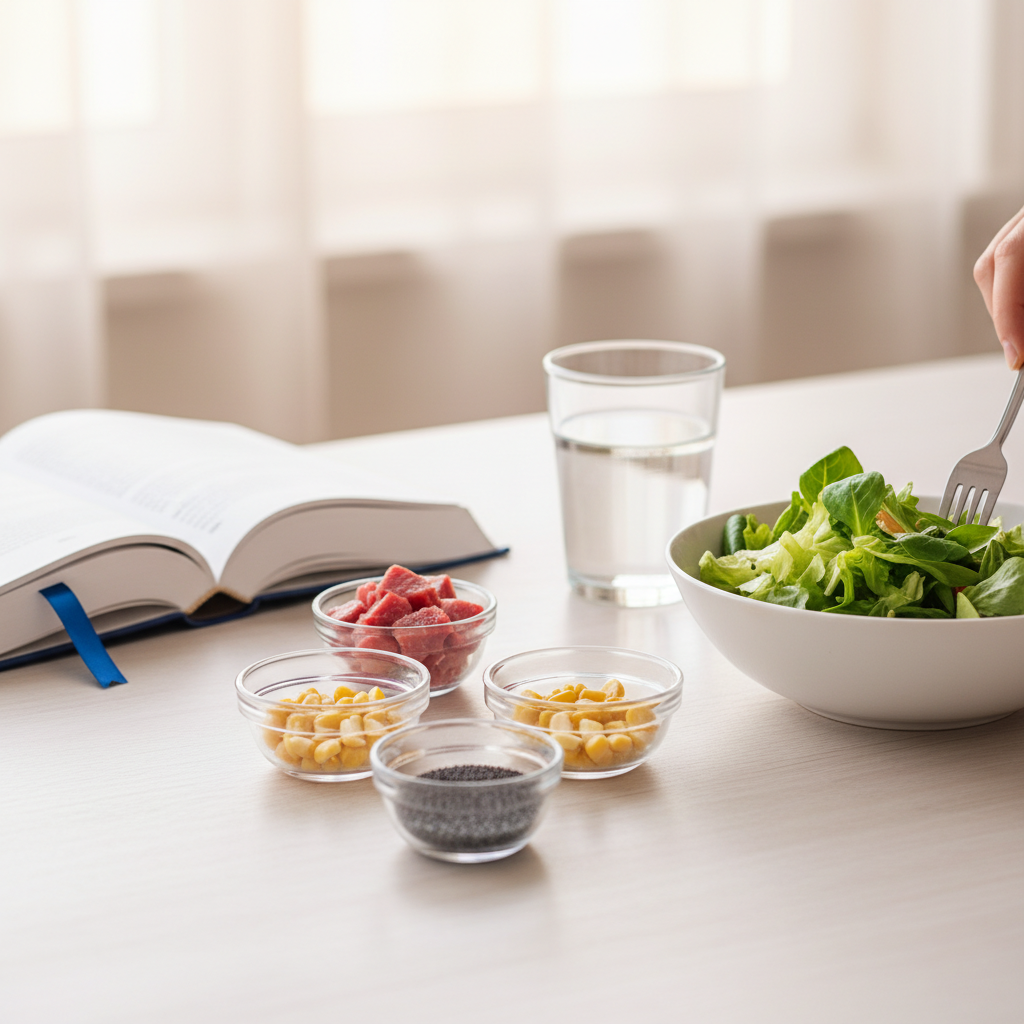
Understanding Potential Diverticulitis Triggers
Diverticulitis occurs when small, bulging pouches (diverticula) that can form in the lining of your digestive system become inflamed or infected. While the presence of these pouches, a condition known as diverticulosis, is common, especially after age 40, not everyone develops diverticulitis. The exact reasons why some people experience inflammation while others don't are still being studied, but research points to a combination of lifestyle, dietary, and genetic factors that can significantly increase the risk. Understanding these triggers is the first step toward managing the condition and preventing painful flare-ups.
A Low-Fiber Diet
Perhaps the most well-known risk factor for diverticular disease is a diet consistently low in fiber. Fiber adds bulk to your stool, making it softer and easier to pass through the colon. When your diet lacks sufficient fiber from fruits, vegetables, and whole grains, your stool can become hard and difficult to move. This leads to constipation and straining during bowel movements.
This straining increases the pressure inside your colon, which is believed to contribute to the formation of the weak spots that bulge out to become diverticula. Over time, high pressure can weaken the colon walls, making them more susceptible to forming these pouches. A diet rich in fiber is therefore considered a cornerstone of prevention for both the formation of diverticula and the inflammation associated with diverticulitis.
High Intake of Red and Processed Meats
While a low-fiber diet is a major culprit, what you eat is just as important as what you don't. Several large-scale studies have found a strong correlation between a high intake of red meat (like beef, pork, and lamb) and an increased risk of developing diverticulitis. Diets heavy in processed meats, such as bacon, sausage, and hot dogs, show a similar link.
Researchers believe this may be due to several factors. High-fat diets can alter the balance of bacteria in your gut (the microbiome), potentially promoting inflammation. Furthermore, the compounds formed when cooking red meat at high temperatures may have an inflammatory effect on the lining of the colon, making it more vulnerable to infection in the diverticula.
Lack of Physical Activity
A sedentary lifestyle is linked to a host of health problems, and diverticulitis is one of them. Regular physical activity helps stimulate normal bowel function, reducing the amount of time stool spends in the colon and preventing the constipation that can lead to increased pressure. Exercise also helps maintain a healthy weight and reduces overall inflammation in the body.
Studies have shown that individuals who engage in vigorous activity, like running or jogging, have a significantly lower risk of developing diverticulitis compared to those who are inactive. Even moderate activity, such as brisk walking, can have a positive impact on gut health and may help lower your risk.
Obesity
Carrying excess weight, particularly having a high Body Mass Index (BMI) and a larger waist circumference, is a significant risk factor for diverticulitis. Obesity is a state of chronic, low-grade inflammation throughout the body. This systemic inflammation can affect the gut, making it more prone to infections and complications like diverticulitis.
Additionally, excess abdominal fat can increase pressure within the abdomen and on the colon, potentially contributing to the formation of diverticula and increasing the likelihood of a flare-up. Maintaining a healthy weight through diet and exercise is a crucial step in reducing this risk.
Certain Medications
Some common over-the-counter and prescription medications can increase your risk of a diverticulitis flare-up. Nonsteroidal anti-inflammatory drugs (NSAIDs), such as ibuprofen (Advil, Motrin) and naproxen (Aleve), are primary examples. Regular, long-term use of these drugs is thought to increase the risk of bleeding and perforation of the diverticula.
Other medications linked to a higher risk include steroids and opioids. Opioids are known to cause significant constipation, which, as mentioned, increases pressure within the colon. If you have diverticulosis, it's important to discuss the use of these medications with your doctor to understand the potential risks and explore safer alternatives if necessary.
Smoking
Smoking harms nearly every organ in the body, and the digestive system is no exception. Smokers have a higher risk of developing diverticulitis and are more likely to experience complications from the condition. The exact mechanism isn't fully understood, but it's believed that smoking promotes inflammation and can affect blood flow to the colon, potentially impairing its ability to heal and fight off infection.