Understanding the Connection Between Foamy Urine and Kidney Health
Noticing foamy or bubbly urine can be startling, and it's natural to wonder if it’s a serious sign of kidney disease. While it can be linked to kidney function, there are also many other common—and often harmless—reasons why it happens.
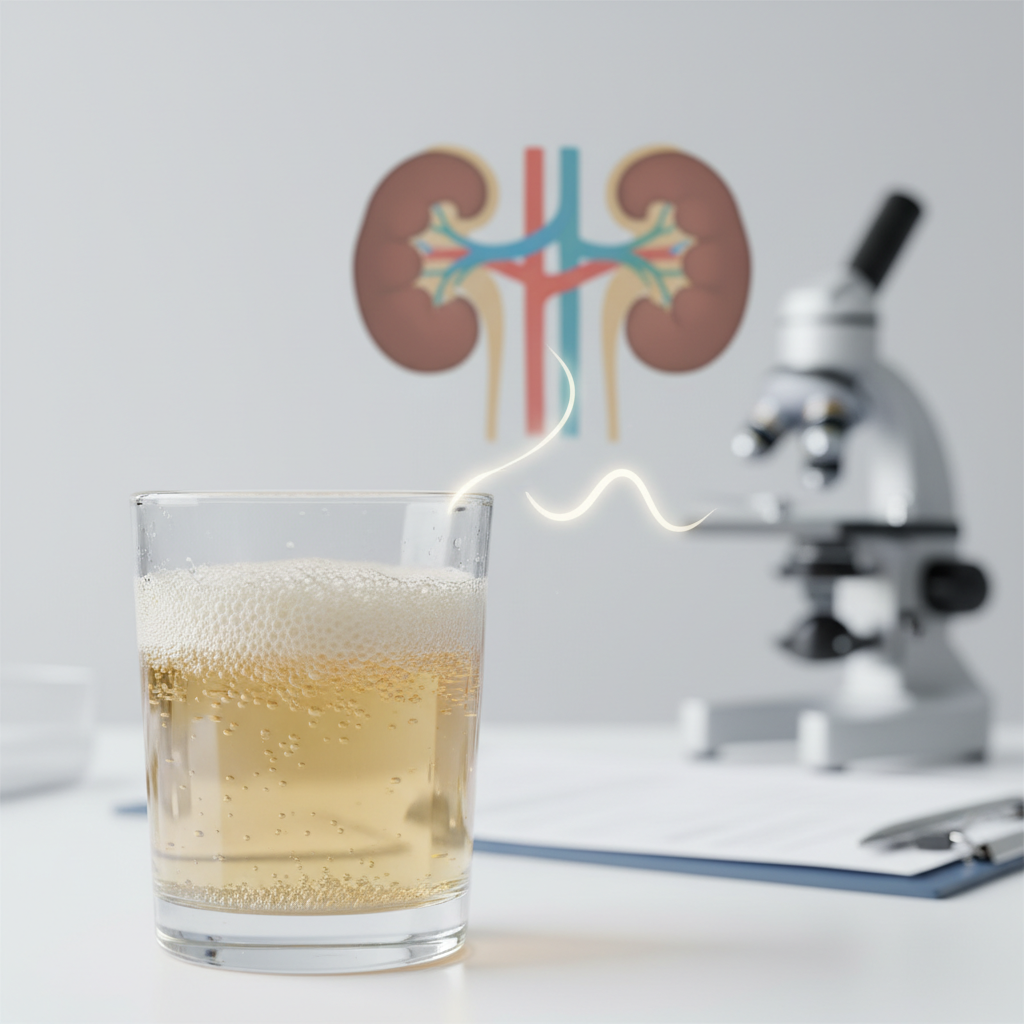
Noticing foam or bubbles in your urine can be an unsettling experience. For many, the first thought that comes to mind is kidney disease. While it's true that foamy urine can be a symptom of kidney problems, it's far from the only cause. In many cases, the reason is entirely harmless.
This guide will break down the various reasons your urine might look foamy, from the completely benign to the medical conditions that warrant a doctor's visit. Understanding the potential causes can help you determine whether it's a minor occurrence or a signal to seek medical advice.
Common, Non-Worrisome Causes of Foamy Urine
Before jumping to conclusions, it's important to consider the most frequent and harmless reasons for seeing bubbles in the toilet bowl. Often, the explanation is simple and requires no medical intervention.
Speed of Urination
One of the most common causes of foamy urine is simply a fast or forceful urine stream. When you urinate quickly, it hits the toilet water with more force, agitating it and trapping air in the process. This creates bubbles, much like when you turn a faucet on full blast to fill a glass of water.
This type of foam is typically light, consists of larger bubbles, and disappears on its own within a minute or two. If you have a full bladder and relieve yourself with a strong stream, this is a very likely explanation. It's a purely physical phenomenon and not a sign of any health problem.
Mild Dehydration
When you don't drink enough water, your urine becomes more concentrated. Concentrated urine contains a higher level of waste products, such as urea. These substances can alter the surface tension of your urine, making it more likely to foam when it hits the water. Dehydrated urine is also typically a darker yellow or amber color.
If you notice foam along with dark-colored urine, try increasing your fluid intake. If the foaminess subsides as your urine becomes a pale, straw-like yellow, dehydration was likely the culprit. This is your body's simple way of telling you to drink more water.
Toilet Cleaning Chemicals
Sometimes, the cause of the foam has nothing to do with your urine at all. Certain toilet bowl cleaners and sanitizing agents can leave behind a chemical residue that reacts with urine to create bubbles. If you use an automatic in-tank cleaner or have recently scrubbed the bowl, this is a strong possibility.
An easy way to test this theory is to urinate into a clean, separate container that has no cleaning agents in it. If the urine in the container is not foamy, then the issue is almost certainly the chemicals in your toilet bowl and not a problem with your health.
Medical Conditions That Can Cause Foamy Urine
While often harmless, persistent foamy urine can sometimes be an indicator of an underlying medical condition. This is especially true if the foam doesn't go away after a few minutes or if it's accompanied by other symptoms.
Proteinuria: The Link to Kidney Disease
This is the most significant medical concern associated with foamy urine. Proteinuria means there is an excess amount of protein, specifically albumin, in your urine. Healthy kidneys act as filters, removing waste and excess fluid from your blood while keeping essential substances like protein in your body. When the tiny filters in the kidneys (called glomeruli) are damaged, they can become "leaky," allowing protein to escape from the blood into the urine.
This leaked protein changes the properties of the urine, reducing its surface tension and causing it to foam when it mixes with air in the toilet bowl. Unlike the temporary foam from a fast stream, foam from proteinuria is often persistent and may require multiple flushes to clear. If foamy urine is caused by kidney disease, it may be accompanied by other symptoms like swelling (edema) in the hands, feet, ankles, or face, fatigue, and shortness of breath.
Retrograde Ejaculation
In men, retrograde ejaculation is a condition where semen enters the bladder instead of being expelled from the penis during orgasm. When this occurs, the semen mixes with urine in the bladder. The presence of semen can make the urine appear cloudy or foamy during the next urination.
This condition is not harmful to your health but can be a cause of male infertility. It is often a side effect of certain medications or a complication from surgeries involving the prostate or bladder. If you suspect this might be the cause, it's worth discussing with a doctor.
Urinary Tract Infection (UTI)
While not a classic symptom, a urinary tract infection (UTI) can sometimes cause changes in urine that lead to a foamy appearance. The bacteria causing the infection can alter the composition of the urine. However, foam is rarely the only symptom of a UTI. It is almost always accompanied by more prominent signs like a strong, persistent urge to urinate, a burning sensation during urination, cloudy or strong-smelling urine, and pelvic pain.
Understanding the Role of Your Kidneys
To truly grasp why foamy urine can be a red flag, it helps to understand what your kidneys do. Think of your kidneys as a highly advanced, 24/7 purification system for your body. Each day, these two bean-shaped organs filter about 120 to 150 quarts of blood to sift out waste products and extra water, which then become urine.
The heavy lifting is done by millions of tiny filtering units called nephrons, and within each nephron is a filter called the glomerulus. The glomerulus works like a microscopic sieve, carefully designed to let waste and fluid pass through while holding back larger, essential molecules like protein and red blood cells. When everything is working correctly, only a tiny, undetectable amount of protein might slip through. This process is crucial for maintaining the right balance of chemicals and fluids in your body.
Damage to these delicate filters is what leads to kidney disease. Conditions like uncontrolled high blood pressure and diabetes can scar the glomeruli over time, making them less effective. This damage widens the "holes" in the sieve, allowing significant amounts of protein to leak from the blood into the urine. This is why persistent, foamy urine serves as a visible warning sign—it’s physical evidence that the kidney's vital filtering barrier might be compromised.
Frequently Asked Questions About Foamy Urine
Even after learning about the causes, you might have some specific questions. Here are answers to some of the most common queries people have about foamy urine.
When Should I Actually Be Worried and See a Doctor?
Occasional foam is usually not a cause for concern. However, you should schedule an appointment with a healthcare provider if you experience any of the following:
- The foaminess is persistent, happening every time you urinate for several days.
- The amount of foam seems to be increasing over time.
- Your foamy urine is accompanied by other new symptoms, such as swelling in your legs, feet, or face; fatigue; nausea; loss of appetite; or changes in how much you urinate.
- Your urine is also cloudy, bloody, or has a foul odor.
These associated symptoms strongly suggest that the cause is more than just a fast stream or dehydration and warrants a professional evaluation to rule out kidney issues or other medical conditions.
How Do Doctors Diagnose the Cause of Foamy Urine?
If you see a doctor about foamy urine, the diagnostic process is typically straightforward. It will almost always begin with a simple urine test called a urinalysis. You will provide a small urine sample, which is then tested in a lab. This test can quickly detect the presence of protein, as well as bacteria, blood, or sugar.
If the initial test shows protein, your doctor may order a 24-hour urine collection test. For this, you will collect all of your urine over a 24-hour period in a special container. This gives a much more accurate measurement of how much protein is being lost per day. Blood tests may also be done to check your overall kidney function by measuring levels of waste products like creatinine in your blood.
Can My Diet or Lifestyle Affect Foamy Urine?
Yes, to some extent. The most direct lifestyle change you can make is ensuring you are properly hydrated. Drinking enough water throughout the day can dilute your urine and often resolve foaminess caused by dehydration. While a single high-protein meal is very unlikely to cause noticeable proteinuria in a person with healthy kidneys, your overall diet plays a huge role in kidney health.
If the cause of your foamy urine is kidney damage from diabetes or high blood pressure, then lifestyle and diet are critical. Managing your blood sugar levels, controlling your blood pressure through a low-sodium diet and exercise, and taking prescribed medications are the most important steps you can take to protect your kidneys from further damage.
Conclusion: What to Take Away
Seeing foam in your urine can be startling, but it's important to remember that it is frequently caused by harmless factors like urinating quickly or being slightly dehydrated. These temporary bubbles should not be a major cause for alarm.
However, you should not ignore foamy urine if it is persistent, worsens over time, or is accompanied by other symptoms like swelling, fatigue, or nausea. In these cases, it can be an early warning sign of proteinuria, which is a key indicator of kidney disease. Paying attention to your body's signals and consulting a doctor when something seems consistently off is always the best approach for your long-term health.