Understanding the Costs of an Aging-in-Place Kitchen Remodel
Explore the cost factors involved in an aginginplace kitchen remodel to make your home more comfortable. Discover how design choices, materials, and appliances impact the overall price.
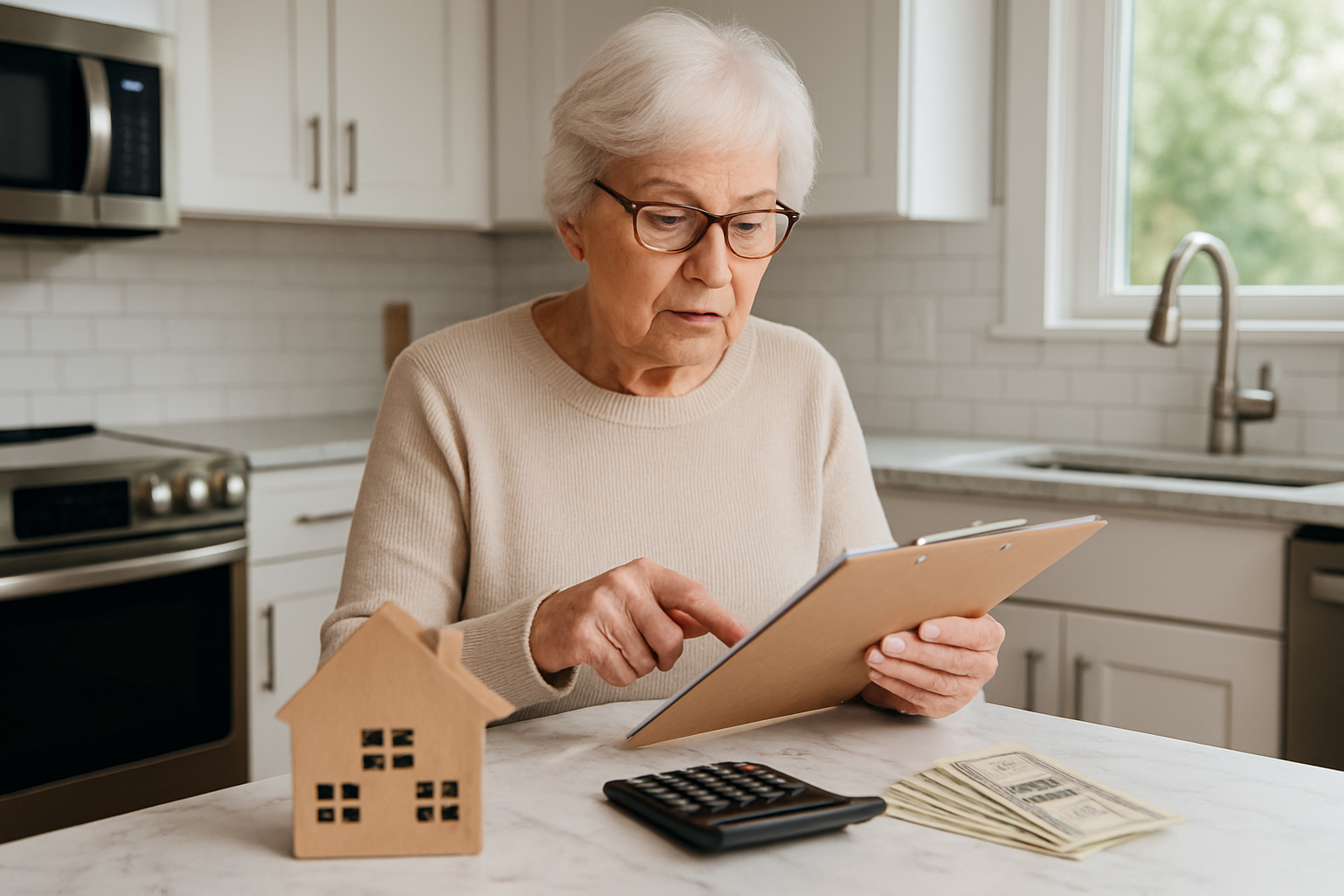
The Importance of Aging-in-Place Kitchen Remodels
As we age, the comfort and functionality of our living spaces become increasingly important. One key area of focus is the kitchen, where daily tasks can become challenging without proper accommodations. Aging in place refers to making home modifications that allow seniors to live independently and safely in their homes. A kitchen remodel tailored to these needs not only enhances safety and efficiency but also adds value to your home.
The decision to remodel a kitchen for aging in place should be based on individual needs, and cost is a significant factor. Understanding the various elements that contribute to the expense can help make informed decisions. Let's delve into how much an aging-in-place kitchen remodel might cost, and what considerations are necessary for a successful project.
Key Factors Influencing the Cost of a Kitchen Remodel
The cost of remodeling a kitchen for aging in place varies widely depending on several factors. Here's what you need to consider:
1. Scope of the Remodel
The extent of the remodel significantly impacts the overall cost. A minor update, such as installing new cabinets or upgrading fixtures, will be substantially less expensive than a full overhaul, which might include moving walls or redesigning the layout.
2. Choice of Materials
The materials you choose for cabinets, countertops, flooring, and appliances play a crucial role in cost. Custom or high-end materials can dramatically increase the budget. However, options like non-slip flooring, adjustable-height countertops, and pull-out shelves are worth investing in for their safety and convenience benefits.
3. Labor and Installation
Labor costs can vary by region and the complexity of the project. Hiring an experienced contractor who specializes in aging-in-place design is advisable. They can provide valuable insights and ensure that installations meet the required safety standards.
4. Accessibility Features
Accessibility features are essential for creating a senior-friendly kitchen. These might include:
- Lowered countertops and cabinetry
- Pull-out drawers and cabinets for easier access
- Wide doorways to accommodate wheelchairs or walkers
- Touchless or lever-style faucets
- LED lighting for better visibility
Including these features could slightly elevate costs but contribute significantly to the overall functionality and comfort of the kitchen.
Average Costs for Aging-in-Place Kitchen Remodels in 2026
Based on recent data from the 2026 Home Renovation and Remodeling Report, the average cost of a moderate aging-in-place kitchen remodel is approximately $15,000 to $50,000, depending on the level of customization and features. Here's a breakdown of typical expenses:
- Basic Remodel: $15,000 - $25,000
- Mid-Range Remodel: $25,000 - $40,000
- High-End Remodel: $40,000 - $50,000+
These numbers provide a general idea, but it's crucial to get quotes from contractors in your area for a more accurate estimate. The Remodeling Magazine's 2026 Cost vs. Value Report can be a helpful resource when planning your budget. [1]
Finding the Right Contractor
Partnering with a reliable contractor is essential for a successful kitchen remodel. Here are some steps to help you find the right professional:
- Get recommendations from friends and online reviews.
- Verify credentials and look for contractors with experience in aging-in-place designs.
- Review past projects and ask for references.
- Discuss your needs and budget in detail.
- Ensure they understand and comply with local building codes and accessibility standards.
A knowledgeable contractor can optimize your kitchen's layout and features to suit your requirements, ensuring your investment is worthwhile.
Financing Your Remodel
Remodeling can be costly, and understanding financing options is important. Here are some potential sources to explore:
- Home Equity Loan: This option allows you to borrow against your home's value, often with lower interest rates compared to other loans.
- Reverse Mortgage: Suitable for homeowners aged 62 or older, this option allows you to convert your home equity into cash without monthly mortgage payments. [2]
- Personal Loans: Unsecured loans can cover remodeling costs but often come with higher interest rates.
- Government Programs: Look for federal, state, or local programs that support home modifications for seniors. For instance, the Department of Housing and Urban Development (HUD) offers grants and loans for senior home modifications. [3]
Conclusion: Investing in a Safe and Functional Future
An aging-in-place kitchen remodel is more than just a financial investment; it's an investment in your quality of life, safety, and independence. While costs can vary, careful planning, informed choices, and the right professionals can help you achieve a kitchen that meets your needs and supports your lifestyle for years to come.
Consider consulting with a certified aging-in-place specialist (CAPS), who can provide additional insights and recommendations tailored to your personal situation. With the right approach, you can enjoy a kitchen that is not only beautiful but also safe and practical, allowing you to age with grace and dignity in the comfort of your home.