Understanding the Costs of Eye Bag Removal Surgery in 2025
Planning for eye bag removal surgery in 2025 starts with understanding the cost, and you've come to the right place for a clear breakdown. The final price tag isn't a single number but a combination of several key factors.
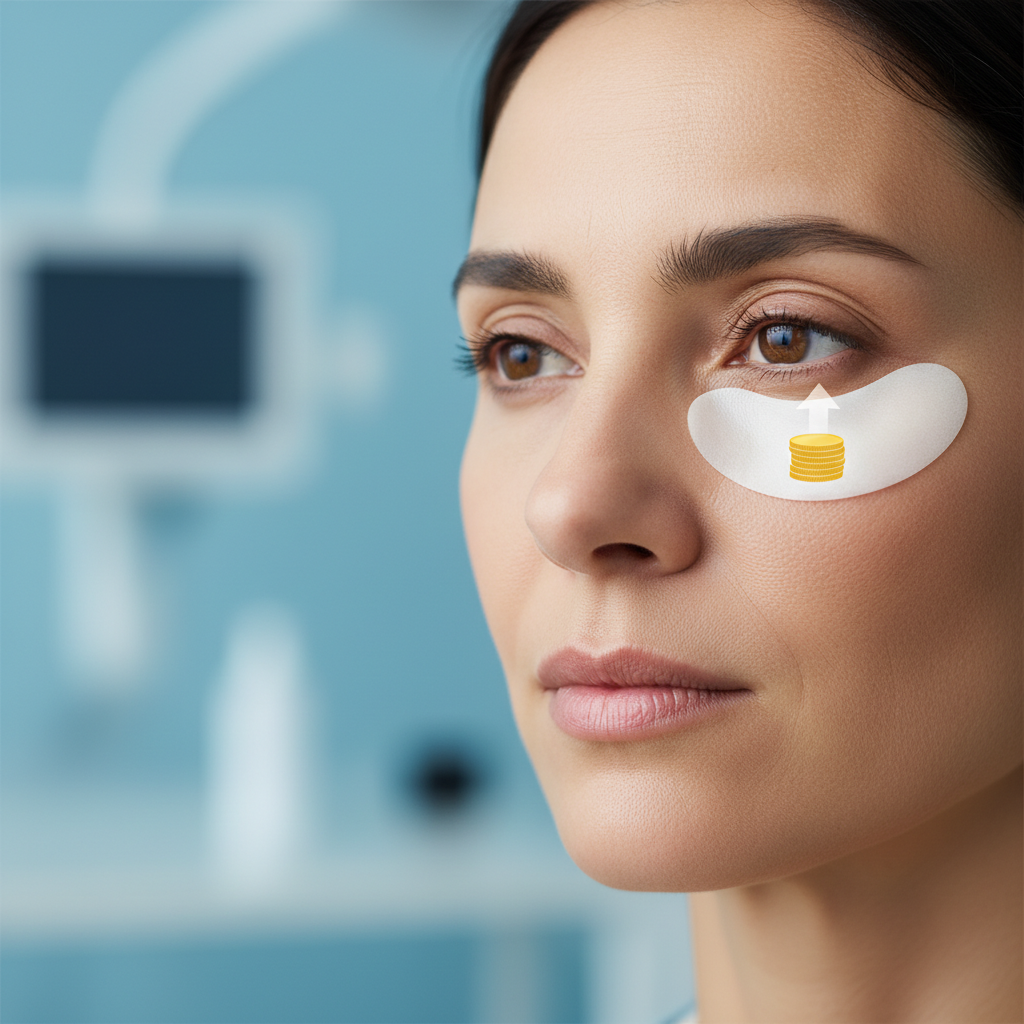
Understanding the cost of eye bag removal surgery, medically known as lower blepharoplasty, is a crucial first step for anyone considering the procedure. As we look toward 2025, it's important to recognize that a single, flat fee doesn't exist. The total price is a composite of several key factors, each contributing to the final bill. Getting a clear picture of these variables will help you set realistic expectations and make an informed decision about your investment in a more refreshed and youthful appearance.
The total cost for eye bag removal surgery in 2025 typically ranges from $4,000 to $9,000, with some cases in high-cost-of-living areas reaching even higher. This price is not arbitrary; it's carefully calculated based on the specific needs of the patient and the resources required to perform the surgery safely and effectively. Below, we break down the primary components that make up this total cost.
The Primary Factors Influencing the Cost of Eye Bag Removal
To understand why the price can vary so significantly, it's essential to look at the individual elements that contribute to your final quote. Each of these components plays a vital role in the quality and safety of your procedure.
1. Surgeon's Fee
This is often the largest portion of the total cost. The surgeon's fee reflects their experience, skill, reputation, and board certification. A highly sought-after, board-certified facial plastic surgeon with decades of experience in a major city will naturally command a higher fee than a less experienced surgeon in a smaller town. While it might be tempting to cut costs here, remember that the surgeon's expertise is the most critical factor in achieving excellent, natural-looking results and minimizing risks. This fee covers their time for the pre-operative consultation, the surgery itself, and post-operative follow-up appointments.
2. Anesthesia Fees
The cost of anesthesia depends on the type administered and the professional who administers it. Lower blepharoplasty can sometimes be performed under local anesthesia with sedation, which is generally less expensive. However, many surgeons and patients prefer general anesthesia for maximum comfort and safety, which requires the services of a board-certified anesthesiologist. The anesthesiologist's fee is calculated based on their time and the complexity of the monitoring required during the surgery, typically ranging from $800 to $2,000.
3. Facility Fees
Where your surgery is performed has a significant impact on the cost. Procedures done in a private, accredited surgical suite are often more affordable than those performed in a hospital operating room. The facility fee covers the use of the operating room, surgical equipment, supplies, and the support of the nursing and technical staff. It's crucial to ensure the facility is accredited by a recognized body like the American Association for Accreditation of Ambulatory Surgery Facilities (AAAASF) or The Joint Commission, as this guarantees high standards of safety and patient care.
4. Geographic Location
Just like real estate, the cost of cosmetic surgery varies dramatically based on location. Surgical procedures in major metropolitan areas such as New York City, Los Angeles, or Miami will almost always be more expensive than in smaller cities or rural areas. This difference is due to higher overhead costs for the practice, including rent, staff salaries, and a generally higher cost of living. While traveling for surgery might seem like a way to save money, you must also factor in the costs of travel, accommodation, and time off work.
5. Complexity of the Procedure
Not all eye bag surgeries are the same. The specific techniques required to address your unique anatomy will influence the final cost. For instance, a patient who only needs excess fat removed via a transconjunctival approach (incision inside the eyelid) may have a less complex and therefore less costly surgery. In contrast, a patient who requires fat repositioning, muscle tightening, and the removal of excess skin via a transcutaneous approach (incision below the lash line) will require a more intricate, time-consuming, and expensive procedure.
6. Pre- and Post-Operative Expenses
Finally, don't forget to account for the associated costs. These can include the initial consultation fee (which is sometimes applied to the surgery cost), pre-operative medical tests or blood work, and post-operative prescription medications like pain relievers and antibiotics. While these are typically smaller expenses, they are a necessary part of the overall budget.
Understanding What Eye Bag Surgery Actually Involves
To fully appreciate the cost, it's helpful to understand what the procedure entails. Lower blepharoplasty is a delicate surgical procedure designed to address the fat pads and excess skin that create the appearance of bags or puffiness under the eyes. These bags are often a result of genetics or the natural aging process, where the tissues and muscles supporting the eyelids weaken, allowing fat to shift forward.
Surgeons typically use one of two primary techniques to perform the surgery. The chosen method depends entirely on the patient's anatomy and aesthetic goals.
- Transconjunctival Blepharoplasty: In this technique, the surgeon makes a small incision on the *inside* of the lower eyelid. Through this hidden incision, they can access and either remove or reposition the protruding fat pads. This method is ideal for younger patients who have good skin elasticity and do not have excess skin to remove. The primary advantage is the complete absence of a visible scar.
- Transcutaneous Blepharoplasty: This is a more traditional approach where the surgeon makes a fine incision just below the lower lash line. This technique not only allows for the adjustment of fat pads but also enables the surgeon to remove a small amount of loose, crepey skin. When performed by a skilled surgeon, the resulting scar is exceptionally well-hidden in the natural crease of the eye and becomes virtually invisible over time.
In many modern procedures, surgeons focus on repositioning the fat rather than simply removing it. This technique, known as fat repositioning, uses the patient's own fat to fill in the hollow area between the cheek and the lower eyelid (the tear trough), creating a much smoother and more natural transition from the eye to the cheek.
Answering Your Key Questions About Eye Bag Removal
Before committing to surgery, most people have several important questions about insurance, alternatives, and payment options. Here are answers to some of the most common queries.
Does Insurance Ever Cover Blepharoplasty?
This is one of the most frequently asked questions, and the answer is almost always no for lower eyelid surgery. Insurance policies distinguish between procedures that are medically necessary and those that are purely cosmetic. Eye bag removal is considered a cosmetic procedure because under-eye bags do not typically impair vision or cause any physical health problems. Therefore, you should plan for this to be an out-of-pocket expense.
It's worth noting that the situation can be different for *upper* eyelid surgery. If the sagging skin on the upper eyelids droops so severely that it obstructs a person's peripheral vision, insurance may deem the procedure medically necessary and provide coverage. However, this justification does not apply to the cosmetic appearance of bags under the eyes.
Are There Cheaper, Non-Surgical Alternatives?
Yes, there are several non-surgical treatments that can help improve the appearance of the under-eye area, though none can replicate the permanent and dramatic results of surgery. These options are often less expensive per session but may require ongoing maintenance.
Dermal fillers, typically made of hyaluronic acid, are a popular choice. A skilled injector can place filler in the tear trough to camouflage hollows and create a smoother transition, making eye bags less noticeable. The results are temporary, lasting anywhere from 9 to 18 months, and the long-term costs can eventually exceed the cost of surgery. Other options include laser resurfacing and radiofrequency treatments, which can help tighten the overlying skin and improve texture, but they do not address the underlying fat pads that cause the puffiness.
Is Financing Available for Eye Bag Surgery?
Absolutely. Recognizing that cosmetic surgery is a significant financial investment, most plastic surgery practices offer financing options to make the procedure more accessible. Many clinics partner with third-party medical financing companies like CareCredit or Alphaeon Credit. These companies function like credit cards specifically for healthcare expenses and often offer promotional periods with low or no interest.
Additionally, some practices may have their own in-house payment plans, or patients can choose to use a personal loan or a standard credit card. It is always a good idea to discuss these options with the patient coordinator at your surgeon's office during your consultation.
Conclusion
The cost of eye bag removal surgery in 2025 is a significant investment, with prices generally falling between $4,000 and $9,000. This range is influenced by critical factors including the surgeon's expertise, the geographic location of the practice, facility and anesthesia fees, and the specific complexity of your surgical needs. While non-surgical alternatives exist, lower blepharoplasty remains the most effective and permanent solution for addressing under-eye bags. The best way to determine your exact cost is to schedule a personal consultation with a board-certified plastic surgeon who can assess your anatomy and provide a detailed, all-inclusive quote for your procedure.