Understanding the Credit Score Needed for a HELOC
Looking to unlock the value of your home with a HELOC? Understanding what credit score is required for a HELOC is a great first step. While there isn’t a one-size-fits-all score, most lenders seek a good to excellent credit score for HELOC approval.
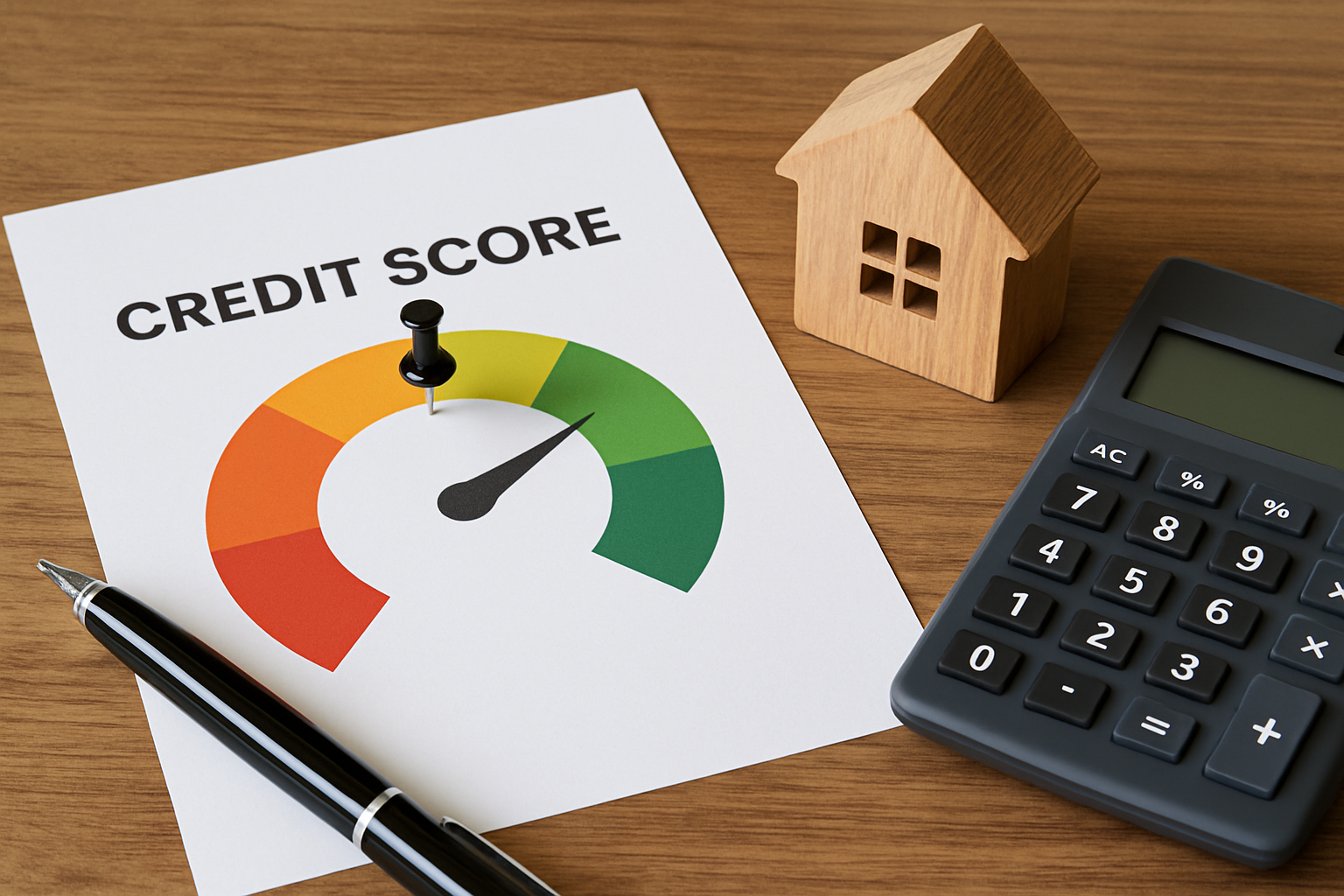
Understanding HELOC and Credit Scores
If you've seen advertisements or promotions about Home Equity Lines of Credit (HELOCs), you might be curious about what credit score is required to qualify for one. A HELOC can be a flexible financial tool, allowing you access to funds up to a certain limit, akin to a credit card, but backed by the equity in your home. However, just like any other credit product, your eligibility and the terms you receive can heavily depend on your credit score.
In this guide, we'll cover what you need to know about HELOCs, explain the credit score requirements, and discuss how your credit score affects your options. We'll also delve into steps you can take to improve your credit score if necessary.
What is a HELOC?
The Basics
A Home Equity Line of Credit (HELOC) is a revolving line of credit that lets you borrow against the equity in your home. Equity is the portion of your home that you actually own outright, computed as the difference between the home's market value and the remaining balance of your mortgage.
- Flexibility: HELOCs offer flexibility, as you can borrow up to a predetermined amount and pay interest only on the money you've actually borrowed, not the entire line of credit.
- Variable Interest Rates: Most HELOCs have variable interest rates, meaning the rate can fluctuate over time based on changes in a set benchmark.
- Set Draw Period: Typically, there is a draw period where you can withdraw funds, usually lasting 5 to 10 years, followed by a repayment period where you can no longer borrow and must pay back the amounts withdrawn.
What Credit Score is Required for a HELOC?
Typical Credit Score Requirements
Most lenders look for a minimum credit score of 620 to 680 when considering a borrower for a HELOC, but better terms and more favorable interest rates are often reserved for those with higher scores. Here's a general breakdown:
- 620-679: You may qualify for a HELOC, but you'll likely face higher interest rates and less favorable terms.
- 680-739: Scores in this range are considered good, and you should receive more competitive offers.
- 740 and above: Scores in the excellent range, granting you access to the best interest rates and terms lenders have to offer.
How Credit Scores Impact HELOC Terms
Your credit score is a reflection of your creditworthiness. A higher score not only improves your chances of approval but can significantly impact the interest rate and terms of your HELOC. Here’s how:
- Interest Rates: A higher credit score can secure you a lower interest rate, reducing the overall cost of your credit.
- Credit Limit: Lenders might offer higher credit limits to those with higher scores due to their perceived lower risk.
- Fees: Some lenders might waive fees or offer reduced fees for borrowers with higher scores.
For a detailed look at how credit scores are calculated, visit FICO's official site: FICO Credit Scores.
Improving Your Credit Score
Practical Tips for Better Scores
If your current credit score needs improvement, consider these steps:
- Pay on Time: Ensure all your bills, especially credit cards and loans, are paid on time as payment history is a crucial part of your credit score.
- Reduce Debt: Aim to pay down outstanding debt and keep your credit utilization ratio below 30%.
- Check for Errors: Periodically review your credit report for inaccuracies or fraudulent activity, which you can dispute to potentially improve your score.
- Limit New Credit Requests: Avoid applying for too many new credit lines in a short period, as each application can lower your score slightly.
To begin improving your credit, you can access free credit reports once a year from the reputable source Annual Credit Report.
Other Considerations
Lender-Specific Criteria
While credit score is a significant factor, lenders may also consider other aspects of your financial situation:
- Income and Employment Stability: Reliable income and a stable employment history can boost your chances of approval and favorable terms.
- Equity Amount: The amount of equity you have in your home can also impact the terms of your HELOC. More equity generally strengthens your application.
- Debt-to-Income Ratio: Lenders often require a DTI ratio below 43%, but lower is better as it indicates more disposable income to manage additional debt.
With the right preparation and understanding of the factors that influence HELOC approval, you can better position yourself to secure the financial resources you need under favorable terms.
Reference Links:
https://www.bankofamerica.com/home-loans/home-equity/line-of-credit/
https://www.bankofamerica.com/mortgage/learn/what-is-a-home-equity-line-of-credit/
https://www.bankofamerica.com/mortgage/learn/home-equity-loan-vs-line-of-credit/
https://www.investopedia.com/mortgage/heloc/home-equity-vs-heloc/
https://www.rocketmortgage.com/learn/heloc-vs-second-mortgage
https://consumer.ftc.gov/articles/home-equity-loans-and-home-equity-lines-credit
https://www.lendingtree.com/home/home-equity/heloc/
https://www.penfed.org/mortgage/heloc
https://www.citizensbank.com/learning/home-equity-application-checklist.aspx
https://www.experian.com/blogs/ask-experian/how-does-a-heloc-affect-your-credit-score/