Understanding the Credit Score Requirements for a HELOC from TD Bank
Discover what credit score is typically needed for a HELOC from TD Bank in this detailed article. Understanding the credit requirements can help you better prepare for your application process. Learn how credit plays a crucial role and what range might increase your chances of approval.
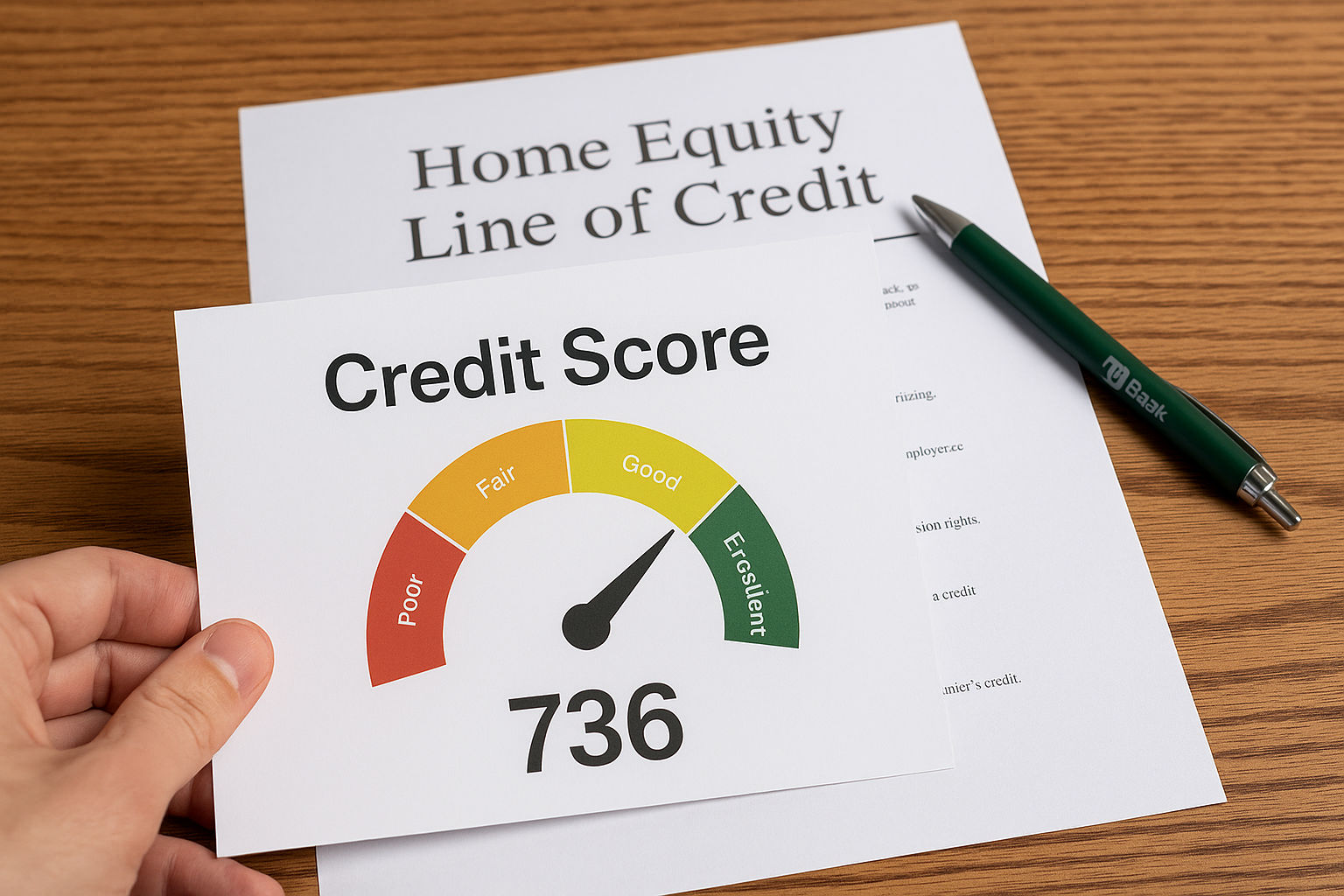
Understanding HELOC and Credit Score Requirements
A Home Equity Line of Credit (HELOC) is a versatile financial product that allows homeowners to tap into the equity of their homes. It serves as a flexible line of credit that can be used for renovations, debt consolidation, or any other financial need. However, securing a HELOC isn't as simple as it might seem, and knowing the necessary credit score requirements is crucial.
What is a HELOC?
A HELOC, or Home Equity Line of Credit, is secured by the equity a homeowner has accumulated in their property. It operates much like a credit card, offering a revolving line of credit from which the homeowner can withdraw funds as needed. Typically, HELOCs come with variable interest rates and require interest payments on the amounts borrowed rather than on the total credit limit.
What Credit Score is Required for a HELOC from TD Bank?
While each lender has its own criteria, TD Bank generally requires a good to excellent credit score for HELOC approvals. A score of at least 680 is typically needed to be considered, although having a score of 700 or higher can improve not only the chances of approval but also the possibility of receiving better terms, such as a lower interest rate.
Keep in mind that credit score is just one part of the application process. Other factors, such as income, debt-to-income ratio, and the amount of equity in your home, are equally important. According to Experian, a score of 740 and above is often considered very good, so aiming for such scores could be beneficial.
What Factors Affect Your Credit Score?
Understanding what affects your credit score is vital in improving it. Here are some key components:
- Payment History: This makes up 35% of your credit score. Consistently paying bills on time is crucial.
- Credit Utilization: Calculated as the ratio of your current credit card balances to credit card limits, keeping this below 30% is ideal.
- Length of Credit History: A longer credit history can improve your score. It accounts for about 15% of your score.
- Credit Mix: Having a mix of different types of credit accounts can positively impact the score.
- New Credit: Opening too many new credit accounts in a short period of time can negatively affect your score.
How to Improve Your Credit Score for Better HELOC Terms
If your credit score isn't quite where it needs to be for favorable HELOC terms, consider these strategies:
- Pay Off Debts: Reducing existing debts can lower your debt-to-income ratio, favorably influencing your score.
- Avoid New Debt: Refrain from accruing new debts before applying for a HELOC. Too much outstanding credit can negatively affect your application.
- Check for Errors: Regularly reviewing your credit report can help identify and correct any inaccuracies.
- Set Automatic Payments: To maintain a perfect payment history, consider setting up automatic bill payments.
Additional Considerations When Applying for a HELOC
Beyond credit score, TD Bank and other lenders will assess additional factors when evaluating a HELOC application:
- Home Equity: Most lenders require a minimum of 15% to 20% equity in the home.
- Employment History: Stable employment and income can enhance an applicant's profile.
- Debt-to-Income Ratio: Ideally, this should not exceed 43%. A lower ratio can improve loan approval chances.
For more insights, the Investopedia guide to HELOCs provides detailed explanations on how these factors interplay.
Real-World Examples of HELOC Approval Criteria
To better understand what you might need for a successful HELOC application, consider these real-world scenarios based on recent data:
- Scenario 1: A homeowner with a credit score of 720, a debt-to-income ratio of 36%, and 25% home equity could secure a HELOC with a lower interest rate due to their strong financial health.
- Scenario 2: A homeowner with a credit score of 680 and a 45% debt-to-income ratio might face higher interest rates or even face loan rejection, emphasizing the need for a balanced financial profile.
Conclusion
Securing a HELOC from TD Bank requires careful consideration of your credit score and other financial factors. Aiming for a high credit score, maintaining a low debt-to-income ratio, and having substantial home equity can greatly enhance your chances of approval and ensure you secure more favorable terms. As with any financial decision, staying informed and prepared will guide you toward the best outcomes. Continuous improvement of your financial health, backed by diligent planning, is key to leveraging home equity successfully.