Understanding the Credit Score Requirements for HELOC Approval
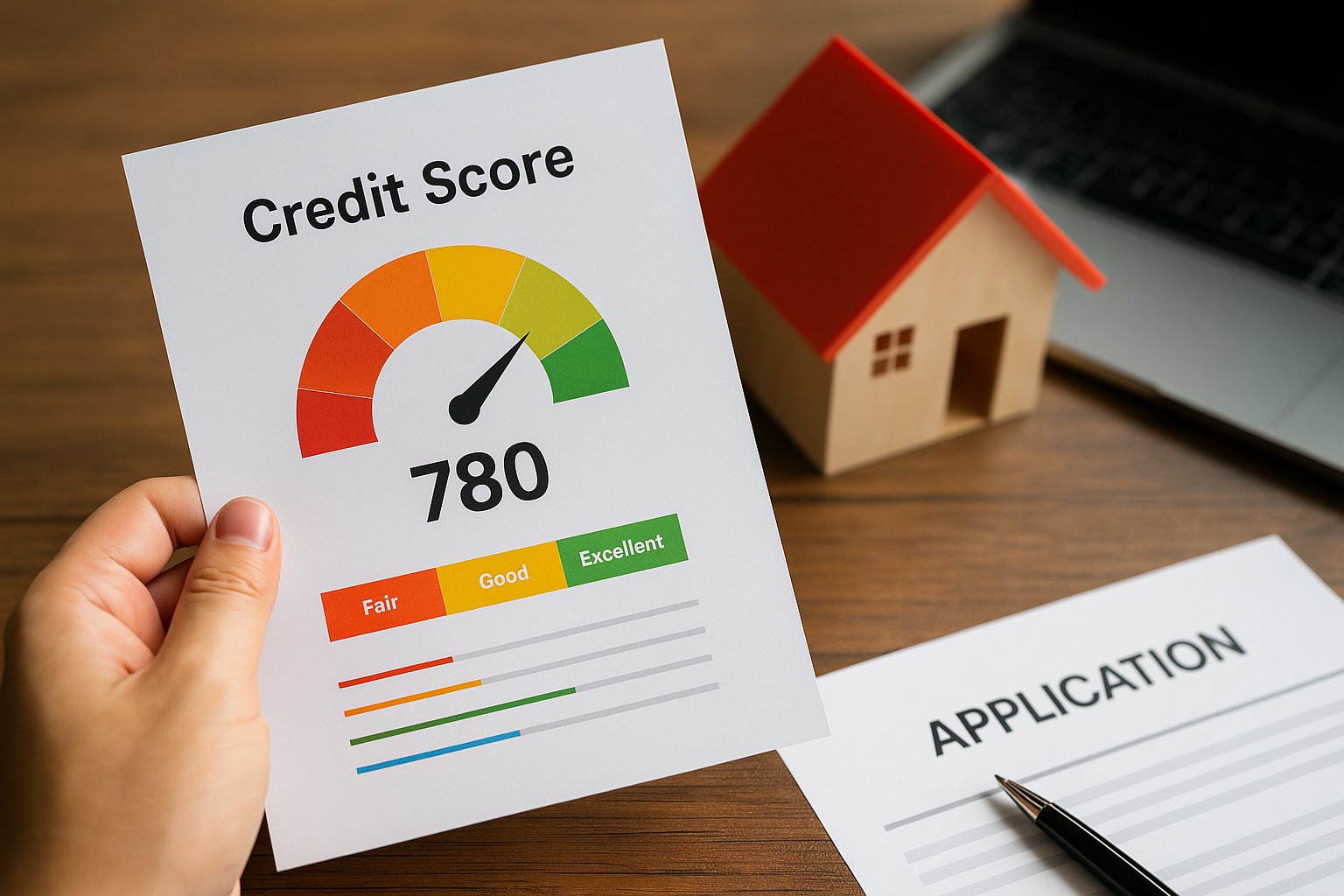
Understanding the credit score needed for HELOC approval can enhance your chances of success. Typically, lenders look for a minimum credit score but requirements can vary. While some may accept scores in the mid600s, others might require higher scores.
Understanding HELOCs
Home Equity Lines of Credit (HELOCs) are revolving credit lines that allow homeowners to borrow against the equity in their home. Equity refers to the difference between the current market value of a property and the outstanding balance on the mortgage. Essentially, a HELOC gives you access to cash based on this equity, often used for home improvements, debt consolidation, or other financial needs.
Due to the secured nature of this loan type, where the property serves as collateral, HELOCs typically offer lower interest rates compared to credit cards or unsecured loans. This makes them an appealing finance option for homeowners. But what credit score is needed for HELOC approval?
Minimum Credit Score Requirements
Lenders generally look for a minimum credit score in the range of 620 to 680 for HELOC approval. However, this requirement can vary based on the lender's risk threshold and other factors. Let's delve into what influences these requirements.
Factors Influencing Credit Score Requirements
- Lender Policies: Different financial institutions have varying levels of risk tolerance. A larger bank might have more stringent requirements compared to a credit union or smaller lender.
- Home Equity: More home equity can sometimes offset a lower credit score. Lenders may be more lenient with scores if significant equity is present.
- Debt-to-Income Ratio: This is a crucial factor for lenders. A lower ratio often indicates strong financial health, potentially compensating for a borderline credit score.
In 2026, with rising interest rates and fluctuating property values, lenders have reportedly adjusted their thresholds accordingly, making homeowner equity and income stability more critical pieces of the approval process. (Mortgage News Daily)
Improving Your Credit Score for HELOC Approval
If your credit score is lower than the desired threshold, there are several strategies to enhance it:
- Timely Bill Payments: Your payment history is the most significant factor in your credit score. Set reminders or automate payments to ensure timeliness.
- Credit Utilization: Keep your credit card balances low, ideally using less than 30% of your available credit to improve your score.
- Debt Reduction: Work towards paying off existing debts which can, in turn, positively influence your debt-to-income ratio and credit score.
- Regular Credit Report Checks: Monitor your credit reports from all three major bureaus (Equifax, Experian, TransUnion) to identify any errors or inconsistencies.
According to recent data, actively managing your credit can lead to noticeable improvements within months, significantly increasing your chances of HELOC approval. (Consumer Financial Protection Bureau)
Alternative Financing Options
If your credit score still falls below the requisite level for a HELOC, consider these alternatives:
Home Equity Loans
Unlike HELOCs, home equity loans provide a lump sum payout and might have different credit requirements, potentially making them accessible even with a lower credit score.
Personal Loans
Unsecured personal loans are another option but generally come with higher interest rates and more rigid credit score prerequisites.
Refinancing
If your goal is to reduce monthly payments, consider refinancing your existing mortgage if you have a better credit profile or more stable financial position than you did at the time of your original loan.
Exploring these alternatives can offer pathways to access needed funds while continuing to build your credit. (Forbes Advisor)
Conclusion
Understanding the credit score required for HELOC approval is crucial in planning your financial future and borrowing strategies. With focused efforts on improving your credit score and exploring various financial options, accessing your home's equity can become a viable tool in achieving your financial goals. By leveraging these insights and strategies, you can enhance your eligibility for favorable lending conditions and make informed decisions regarding your financial health.