Understanding the Cremation Process: What Actually Happens and What to Expect
When considering cremation, many are curious about the process and what really happens during cremation. Understanding what to expect helps ease concerns. During cremation, the body is carefully prepared and placed in a chamber where it is subjected to intense heat.
Understanding Cremation: A Step-by-Step Guide
Cremation has become an increasingly popular choice for people planning end-of-life arrangements. As of 2026, approximately 56% of Americans choose cremation, reflecting its growing acceptance as a respectful and cost-effective alternative to traditional burial. Despite its prevalence, many individuals are unsure about what really happens during cremation and what to expect from the process. This article aims to demystify cremation by providing a comprehensive look into each step involved.
The Initial Steps Before Cremation
Before cremation can take place, there are several important steps that must be completed. These typically involve:
- Documentation and Legal Requirements: Proper documentation is required to authorize the cremation process. This typically includes a death certificate and signed permits from next of kin. State laws vary, so it is crucial to ensure all paperwork is complete.
- Identification: Many cremation facilities require the identification of the deceased by the next of kin to prevent any mix-ups. Identification may occur either in person or via approved photographs.
The Cremation Process
Once all preliminary steps are completed, the actual cremation can proceed. Here's an overview of what happens during cremation:
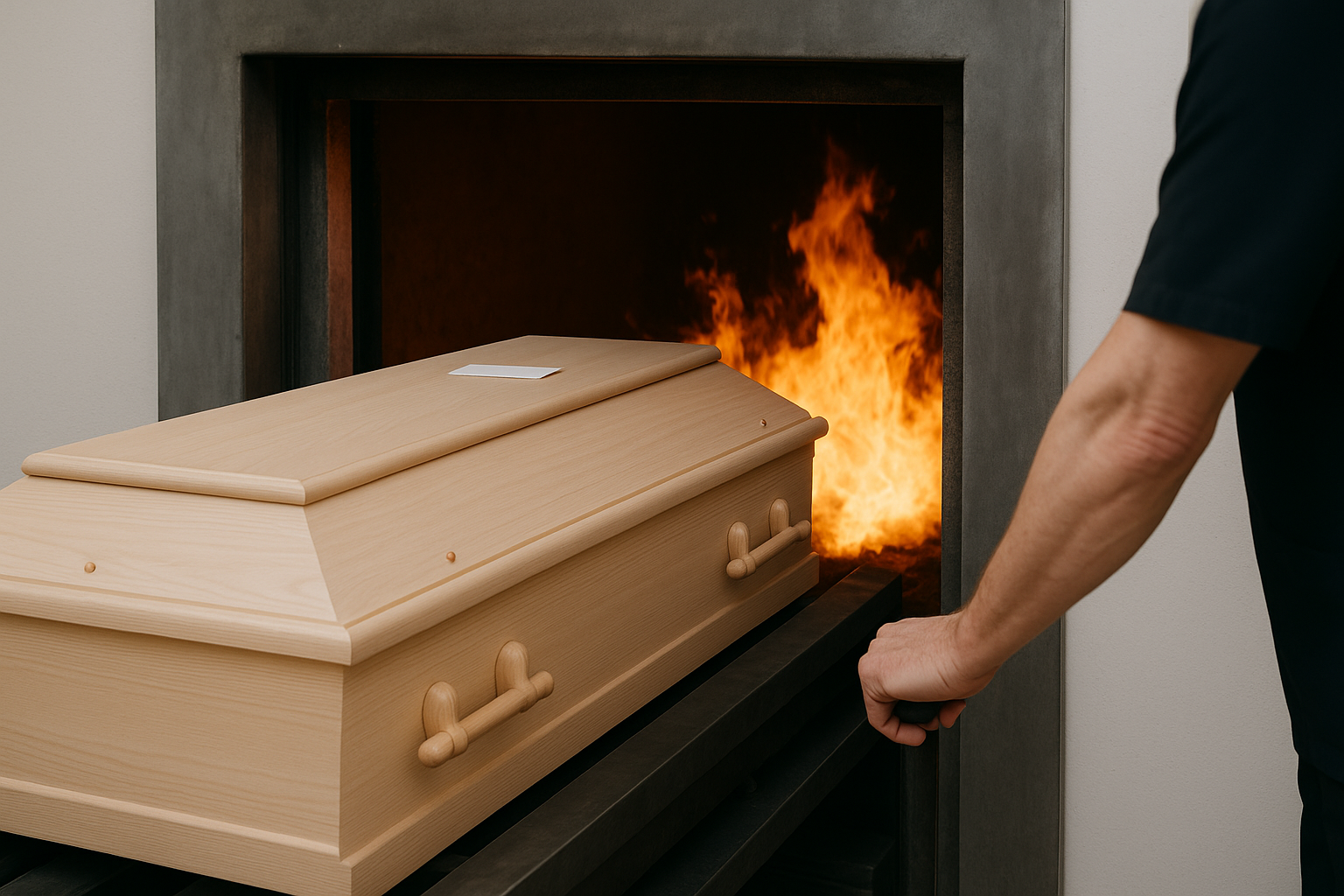
- Preparation of the Body: The body is usually placed in a flammable container, such as a cardboard box or a wooden casket. Metal implants and medical devices, like pacemakers, are removed to prevent malfunction during the process.
- The Cremation Chamber: Also known as a retort, the cremation chamber is where the body is subjected to temperatures ranging between 1400 to 1800 degrees Fahrenheit (760 to 982 degrees Celsius). This intense heat reduces the body to bone fragments over a period of 2 to 3 hours.
- Cooling and Processing the Remains: After the cremation, the remains are allowed to cool. The bone fragments are then processed into a finer ash using a machine called a cremulator.
Post-Cremation Considerations
After the process is complete, there are several options for how families choose to handle the ashes:
- Urns and Keepsakes: Families may select an urn to house the ashes, which can be kept at home or in a columbarium. Some opt for keepsake jewelry that holds a small portion of the ashes.
- Scattering the Ashes: Scattering ashes in a meaningful location is a common choice. Regulations vary by area, so it’s important to check local laws first.
- Memorial Services: Many families hold a memorial service post-cremation, offering an opportunity for friends and relatives to gather, remember, and celebrate the deceased's life.
Addressing Common Myths and Misconceptions
Many people have misunderstandings about cremation that can lead to deterrents in choosing this option. Let’s address some common myths:
Myth: Cremation Involves Burning the Body
While intense heat is involved, it’s important to note that the process doesn’t involve open flames on the body itself. Rather, the entire process occurs in a controlled and enclosed environment provided by the chamber.
Myth: Different People's Ashes May Be Mixed
The industry has stringent protocols in place to ensure the integrity of remains. Each cremation is completed individually, and thorough cleaning of the chamber between processes helps maintain separation.
The Environmental Impact of Cremation
There is ongoing dialogue regarding the environmental effects of cremation. Although it offers a reduced land use compared to traditional burials, it does contribute emissions. However, modern practices are improving:
- Cleaner Burning Technologies: Facilities are adopting more efficient equipment and filters to minimize greenhouse gases.
- Aquamation (Water Cremation): As an alternative, this process uses water and potassium hydroxide, significantly reducing carbon emissions and energy consumption.
To learn more about environmentally friendly practices, consider visiting the National Funeral Directors Association's 2026 report on eco-conscious cremation options. [See report](https://www.nfda.org/environmental-impact-report-2026).
Considering Cremation? What You Should Ask
If you’re contemplating cremation either for yourself in pre-need planning or for a loved one, consider asking these questions:
- What are the total costs involved? Inquire about the complete breakdown including transportation, container, and preservation fees.
- What regulations affect cremation in your area? Laws vary by region, and your provider should be knowledgeable and compliant.
- Can you witness the process? Some facilities offer observation rooms for families who wish to be present during the start of the cremation.
By asking these questions, you can ensure that the process aligns with your wishes and affords dignity and respect to the remains of your loved one.
Conclusion
Cremation, while a more streamlined alternative to burial, encompasses a multifaceted process involving considerations both before and after. With the proper information and by addressing any misconceptions, you can make an informed decision that respects the wishes and values of your family.