Understanding the Early Signs of Esophageal Cancer
Many early signs of esophageal cancer can be mistaken for common issues like heartburn or indigestion, which is why knowing what to look for is so important.
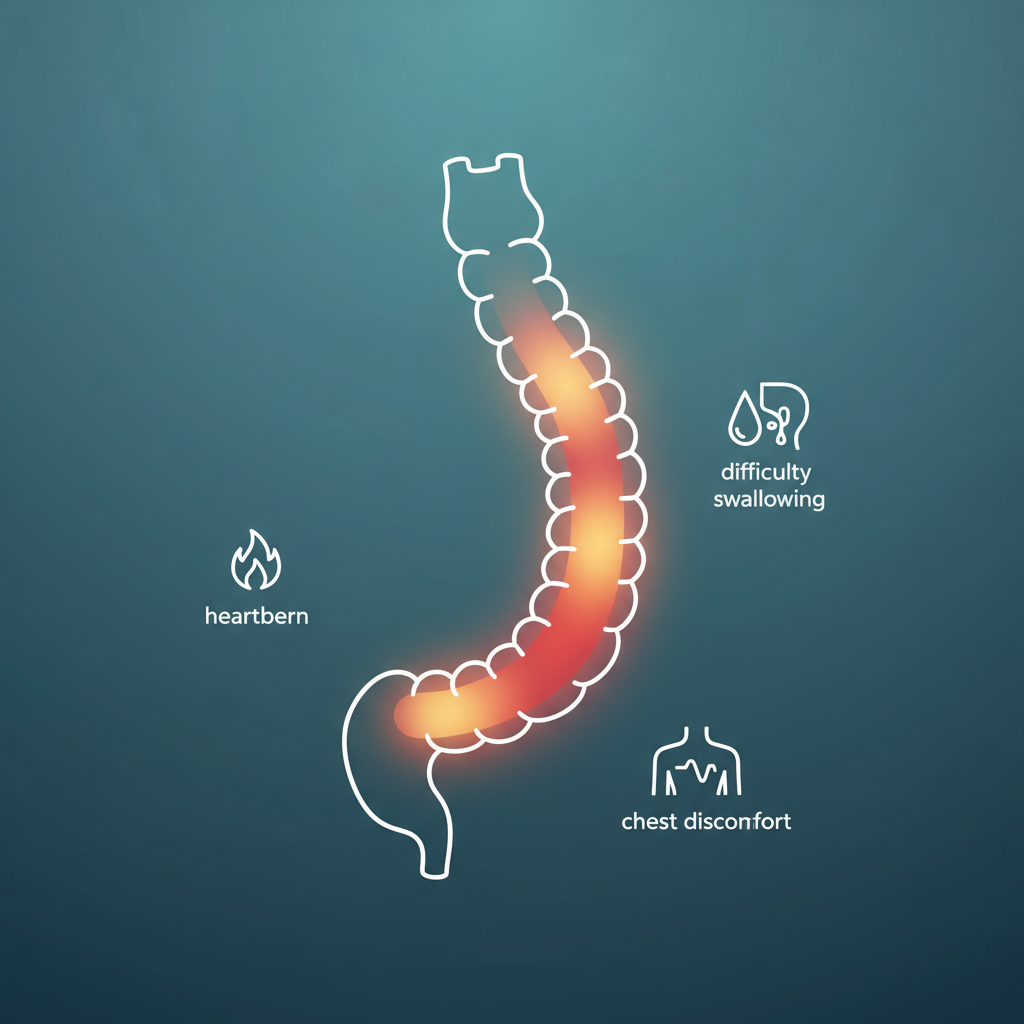
Recognizing the First Potential Signs
Esophageal cancer can be difficult to detect in its early stages because it often doesn't cause noticeable symptoms until it has advanced. However, being aware of the subtle clues your body might be giving you is crucial. These signs can be easy to dismiss or attribute to other, less serious conditions. Understanding them can prompt an earlier conversation with a healthcare provider, which is key for better outcomes. Below are some of the most common early-stage indicators.
Difficulty Swallowing (Dysphagia)
This is the most common symptom of esophageal cancer. Initially, it might feel like food is sticking in your throat or chest, or you might experience a brief sensation of choking. The feeling is often mild at first and may only happen with larger or drier pieces of food, like bread or meat. Many people unconsciously adapt by chewing their food more thoroughly, eating smaller bites, or avoiding certain textures altogether. As a tumor grows, it narrows the passage of the esophagus, making this sensation more frequent and pronounced. It can progress from difficulty with solids to eventually having trouble swallowing liquids.
The sensation is typically felt a few seconds after swallowing, as the food makes its way down the esophagus. It can sometimes be accompanied by a feeling of pressure or a dull pain in the chest, often mistaken for heartburn. Unlike a simple sore throat, this difficulty is mechanical; it's a physical blockage or narrowing that is causing the issue. Paying attention to any new or worsening difficulty with swallowing is extremely important.
Unexplained Weight Loss
Losing weight without changing your diet or exercise routine is a significant red flag for many types of cancer, including esophageal cancer. This can happen for a couple of reasons. First, the difficulty and discomfort associated with swallowing (dysphagia) can lead to a reduced appetite or a subconscious avoidance of eating. When eating becomes a painful or unpleasant experience, people naturally consume fewer calories, leading to weight loss over time.
Secondly, cancer cells themselves can affect your metabolism. They consume a significant amount of the body's energy, which can lead to weight loss even if your food intake remains relatively stable. If you notice a drop of 5% or more of your body weight over a period of 6 to 12 months without trying, it is a valid reason to seek medical evaluation. This is not about losing a few pounds; it's a noticeable and unintentional decrease in weight.
Chronic Heartburn or Indigestion
While occasional heartburn is common and usually harmless, persistent or worsening heartburn can be a sign of something more serious. Chronic acid reflux, also known as gastroesophageal reflux disease (GERD), is a major risk factor for a type of esophageal cancer called adenocarcinoma. In GERD, stomach acid frequently flows back into the esophagus, irritating its lining. Over time, this chronic irritation can cause changes in the cells of the esophagus, a condition known as Barrett's esophagus, which can be a precursor to cancer.
If you find yourself relying on over-the-counter antacids more and more, or if your indigestion symptoms change in character—becoming more painful, more frequent, or accompanied by other symptoms on this list—it should not be ignored. The pain is often described as a burning sensation behind the breastbone that can radiate up to the throat.
Hoarseness or a Persistent Cough
A tumor in the esophagus can sometimes affect the nerves that control the vocal cords, leading to a hoarse or raspy voice that doesn't go away. This is different from the hoarseness you might get with a cold, which typically resolves within a week or two. A persistent change in your voice lasting more than a few weeks warrants investigation.
Similarly, a chronic cough that is not explained by a respiratory infection, allergies, or smoking can be another subtle clue. The cough may be triggered by irritation from the tumor itself or by stomach acid refluxing up into the throat and airways (laryngopharyngeal reflux). If you have a dry, nagging cough that has lingered for weeks without a clear cause, it's worth discussing with a doctor.
Chest Pain, Pressure, or Burning
Pain or discomfort in the middle of the chest is another potential symptom. This can manifest in several ways: a feeling of pressure, a burning sensation, or a dull ache. Because of its location, this pain is very often mistaken for heartburn or even cardiac issues. The pain may occur a few moments after swallowing as food passes the tumor, or it can be a more constant discomfort.
It’s important to distinguish this from typical heartburn. While heartburn is a burning feeling that often improves with antacids, chest pain related to esophageal cancer may not respond to these medications and can feel more like a constant pressure or ache. Any new or unusual chest pain should always be evaluated by a medical professional to rule out serious conditions.
Regurgitation or Vomiting
As the esophageal passage becomes narrower, food can have trouble passing through to the stomach. This can lead to regurgitation, where undigested food comes back up into the throat or mouth. Unlike vomiting, this often happens without nausea or forceful abdominal contractions. It might occur shortly after a meal or even hours later.
In some cases, the tumor can cause bleeding, which may result in vomiting blood or material that looks like coffee grounds. This is a sign of a more advanced stage but can sometimes be an earlier indicator. The regurgitated substance may also be mixed with excess saliva or mucus that the body produces in response to the irritation in the esophagus.
Understanding the Esophagus and How Cancer Develops
The esophagus is a long, muscular tube that connects your throat (pharynx) with your stomach. Its primary job is to carry food and liquids from the mouth to the stomach for digestion. The walls of the esophagus are made up of several layers of tissue. Cancer begins when cells in the inner lining of the esophagus begin to grow out of control, forming a tumor.
There are two primary types of esophageal cancer, distinguished by the type of cells they originate from:
- Adenocarcinoma: This type typically develops in the lower part of the esophagus, near the stomach. It arises from gland cells that are not normally present in this area but can form in response to chronic acid reflux damage (Barrett's esophagus). In many Western countries, this is now the most common form of esophageal cancer.
- Squamous Cell Carcinoma: This type begins in the flat, thin cells (squamous cells) that line the surface of the esophagus. It most often occurs in the upper and middle portions of the esophagus. Historically, this was the more common type worldwide and is strongly linked to smoking and heavy alcohol consumption.
Common Questions About Esophageal Cancer
When learning about the early signs, many people have follow-up questions about their personal risk and what the diagnostic process looks like. Here are answers to some of the most common queries.
What Are the Primary Risk Factors?
While anyone can develop esophageal cancer, certain factors can significantly increase your risk. For adenocarcinoma, the most significant risk factor is having chronic GERD and, subsequently, Barrett's esophagus. Other major risk factors include obesity, which increases the likelihood of GERD, and smoking. The risk profile for squamous cell carcinoma is slightly different, with heavy alcohol use and tobacco use (including cigarettes, cigars, pipes, and chewing tobacco) being the most prominent risk factors. Combining smoking and heavy drinking increases the risk far more than either factor alone.
Other general risk factors for both types include being older (most diagnoses occur in people over 55), being male (men are about three to four times more likely than women to be diagnosed), and having a diet low in fruits and vegetables. Certain medical conditions, such as achalasia (a rare disorder where the lower esophageal sphincter doesn't relax properly), also elevate the risk.
How Is Esophageal Cancer Diagnosed?
If you present with symptoms that suggest esophageal cancer, your doctor will likely start with a physical exam and a discussion of your medical history. To get a definitive diagnosis, several procedures may be used. The most common and effective diagnostic tool is an upper endoscopy (also called an EGD). During this procedure, a doctor guides a thin, flexible tube with a light and camera on the end down your throat to visually inspect the lining of your esophagus. The camera transmits images to a screen, allowing the doctor to see any abnormal areas.
If a suspicious area is found during the endoscopy, the doctor will perform a biopsy. This involves taking a small sample of tissue from the area, which is then sent to a lab to be examined under a microscope for cancer cells. A biopsy is the only way to confirm a cancer diagnosis. If cancer is confirmed, further imaging tests like a CT scan, PET scan, or endoscopic ultrasound may be ordered to determine the stage of the cancer—that is, how large the tumor is and whether it has spread to other parts of the body.
Summary of Key Points
Esophageal cancer's early clues are often subtle and can be mistaken for more common, less serious ailments. The most frequent sign is difficulty swallowing, which may start mildly and worsen over time. Other key indicators include unintentional weight loss, chronic heartburn or indigestion, a persistent cough or hoarseness, and chest pain or pressure. Recognizing that these symptoms, especially when they persist or occur together, are reasons to consult a healthcare professional is the first and most important step toward an early diagnosis and better prognosis.
For more detailed information from trusted sources, you can visit: