Understanding the Early Warning Signs of a Massive Stroke
It's the question many of us quietly wonder: can you actually see a massive stroke coming? The answer is often yes, but the signs aren't always the dramatic, sudden events you might expect.
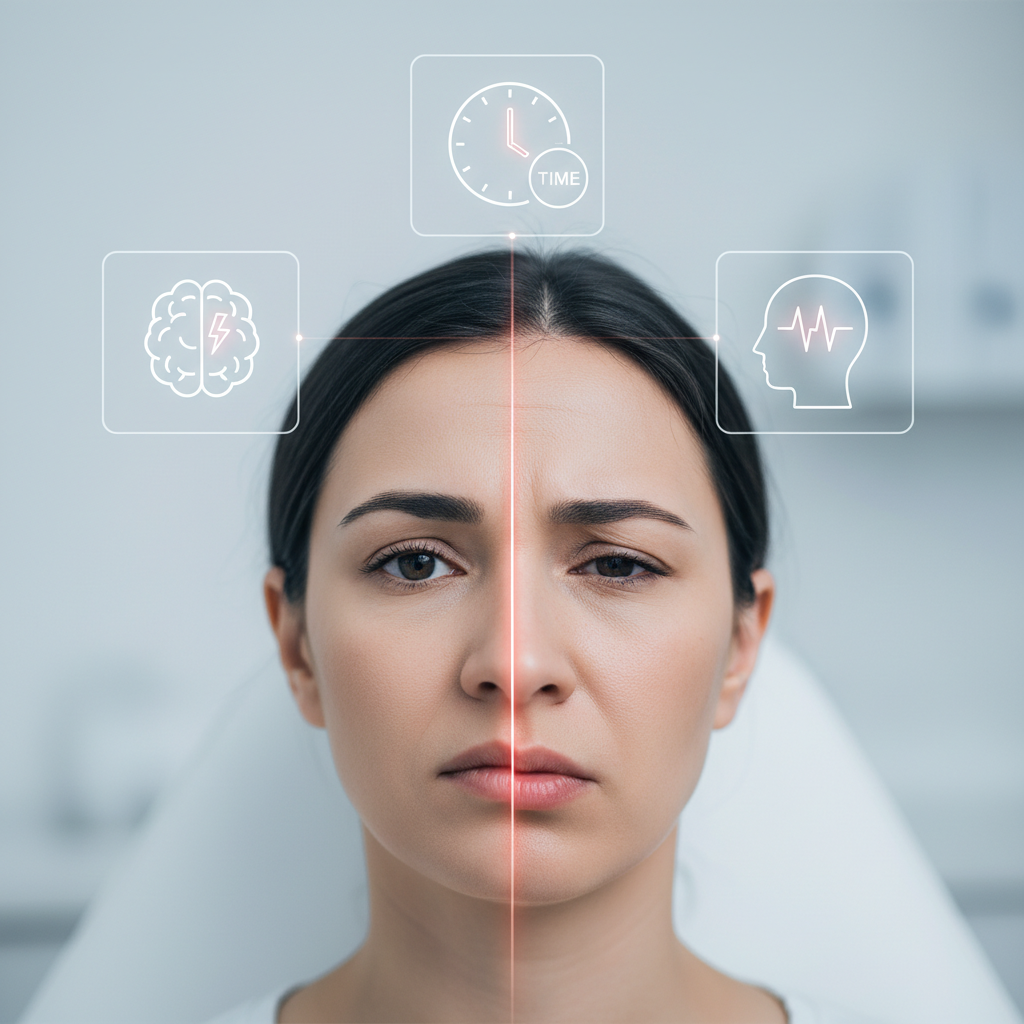
Are There Warning Signs Before A Massive Stroke?
The Primary Warning Signs of a Stroke (F.A.S.T.)
When it comes to identifying a stroke, time is the most critical factor. Medical professionals have developed a simple yet powerful acronym to help the public quickly recognize the most common signs of a stroke: F.A.S.T. Acting on these signs immediately can make a profound difference in the outcome, potentially saving a life and reducing long-term disability. Understanding each component of F.A.S.T. is essential for anyone who wants to be prepared in an emergency.
F - Face Drooping
One of the most visible and telling signs of a stroke is facial drooping or numbness, which typically occurs on one side of the face. This happens because the stroke is affecting the part of the brain that controls facial muscles. A simple way to check for this sign is to ask the person to smile. If one side of their smile droops or appears uneven, or if they are unable to smile fully, this is a significant red flag.
The droop might be subtle or very pronounced. It can be accompanied by a feeling of numbness or a "pins and needles" sensation on that side of the face. You might also notice that one eyelid is sagging. This symptom comes on suddenly and is a clear indicator that something is wrong with the brain's communication to the facial nerves, demanding immediate medical intervention.
A - Arm Weakness
Sudden weakness or numbness in one arm is another hallmark sign of a stroke. The person might complain that their arm feels heavy, dead, or completely numb. They may find it difficult to lift the arm or hold it up. A common and effective test is to ask the person to close their eyes and raise both arms straight out in front of them for about 10 seconds.
If one arm drifts downward or they cannot raise it at all, it's a strong indicator of a stroke. This one-sided weakness, known as hemiparesis, occurs because the stroke is impacting the motor cortex in the brain on the opposite side of the affected limb. This sign is not about muscle soreness but a sudden and unexplained loss of strength and control.
S - Speech Difficulty
A stroke can severely impact the brain's language centers, leading to noticeable difficulty with speech. This can manifest in several ways. The person's speech might become slurred and difficult to understand, as if they are intoxicated. They may also have trouble speaking at all, even though they are awake and seem to be trying.
Another form of speech difficulty is aphasia, where the person has trouble finding the right words or understanding what others are saying. To check for this, ask them to repeat a simple sentence, like "The sky is blue" or "Don't cry over spilled milk." If they are unable to repeat the phrase correctly, jumble their words, or use incorrect words, it's a critical sign of a stroke.
T - Time to Call Emergency Services
The 'T' in F.A.S.T. is not a symptom but a call to action. If you observe any of the signs—face drooping, arm weakness, or speech difficulty—it is time to call 911 immediately. Do not wait to see if the symptoms improve or go away. Every minute that passes during a stroke, brain cells are being deprived of oxygen and dying. The sooner a person can receive medical treatment, the better their chances of recovery.
Even if the symptoms seem to disappear after a few minutes, you must still call for emergency help. This could be a sign of a Transient Ischemic Attack (TIA), which is a serious warning of a future, more massive stroke. When you call 911, be sure to tell the operator that you suspect a stroke and note the time when the first symptoms appeared. This information is vital for medical professionals to determine the best course of treatment.
Beyond F.A.S.T. - Other Critical Warning Signs
While the F.A.S.T. acronym covers the most common symptoms, a stroke can manifest in other ways as well. Being aware of these additional signs can be just as crucial for getting timely help.
Sudden Numbness or Weakness
While F.A.S.T. highlights arm weakness, this symptom can affect other parts of the body. A person might experience a sudden onset of numbness or weakness in their face, arm, or leg, almost always concentrated on one side of the body. This one-sided paralysis or weakness is a very strong indicator of a stroke event.
Sudden Confusion or Trouble Understanding
A sudden state of confusion can be a frightening and disorienting symptom. The person may abruptly have trouble understanding simple sentences, following a conversation, or responding to questions appropriately. They might seem dazed, disoriented, or unable to recognize familiar people or places.
Sudden Trouble Seeing
Vision problems can also signal a stroke. This might present as a sudden blurring or blackening of vision in one or both eyes. Some people report experiencing double vision or a feeling like a curtain is being pulled over their field of vision. Any sudden, unexplained change in eyesight warrants immediate medical evaluation.
Sudden Trouble Walking or Dizziness
A stroke can affect the cerebellum, the part of the brain that controls balance and coordination. This can lead to a sudden onset of trouble walking, stumbling, or a feeling of intense dizziness. The person might experience vertigo (a spinning sensation) or a complete loss of balance and coordination, making it difficult to stand or walk without assistance.
Sudden, Severe Headache
For a specific type of stroke known as a hemorrhagic (or bleeding) stroke, a primary symptom can be a sudden, excruciating headache. It is often described as a "thunderclap headache" because of its rapid and severe onset. Many people who experience it call it the "worst headache of my life." This type of headache is distinct from a typical migraine and should always be treated as a medical emergency.
Understanding TIAs: The "Mini-Stroke" Warning
A Transient Ischemic Attack (TIA), often called a "mini-stroke," is a critical warning sign that should never be ignored. A TIA produces stroke-like symptoms that are identical to those of a major stroke, such as sudden numbness, speech difficulty, or weakness on one side of the body. The key difference is that a TIA is temporary. The blockage in the blood vessel is brief, and the blood flow to the brain is restored quickly, causing the symptoms to disappear completely, usually within a few minutes to an hour.
Because the symptoms resolve on their own, many people are tempted to dismiss a TIA as a strange but harmless event. This is a dangerous mistake. A TIA is a powerful predictor of a future stroke. According to the American Stroke Association, about one-third of people who have a TIA will go on to have a more severe stroke within a year. It serves as a major red flag that there is an underlying problem, such as a partially blocked artery or a clot-producing condition, that needs immediate medical attention.
Treating a TIA as the emergency it is can be life-saving. If you experience symptoms of a stroke, even if they disappear quickly, you must seek emergency medical care. Doctors can perform tests to determine the cause of the TIA and prescribe treatments, such as medications or lifestyle changes, that can significantly reduce your risk of a massive, disabling stroke in the future. Ignoring a TIA is like ignoring a fire alarm—the warning is there for a reason.
Answering Common Questions About Stroke Risk
Understanding the warning signs is the first step. Many people also have questions about the underlying causes and whether a stroke can be felt in advance.
What Are the Major Risk Factors for a Stroke?
Several health conditions and lifestyle habits can significantly increase a person's risk of having a stroke. The single biggest risk factor is high blood pressure (hypertension), as it can damage and weaken arteries over time, making them more susceptible to blockages or rupture. Other major medical risk factors include high cholesterol, which can lead to plaque buildup in arteries (atherosclerosis); diabetes, which damages blood vessels throughout the body; and heart conditions like atrial fibrillation (AFib), which can cause blood clots to form in the heart that may travel to the brain.
Lifestyle choices also play a huge role. Smoking is a primary cause of preventable stroke, as it damages the cardiovascular system. Other lifestyle-related risks include a diet high in saturated fat, trans fat, and sodium; lack of regular physical activity; and excessive alcohol consumption. While some risk factors like age, family history, and genetics cannot be changed, many of the most significant ones can be managed effectively through medication, diet, exercise, and healthy habits, drastically lowering your overall risk.
Can You Feel a Stroke Coming on Days Before?
This is a common and complex question. The classic, universally recognized stroke symptoms—like those in the F.A.S.T. acronym—are defined by their sudden onset. They happen abruptly because they are caused by an immediate disruption of blood flow to the brain. In this sense, a massive stroke does not typically give clear, progressive warnings over several days in the way some other medical conditions might. The sudden nature of the event is its most defining characteristic.
However, some research and anecdotal reports suggest that a minority of patients experience new or unusual transient symptoms in the hours, days, or even weeks leading up to a major stroke. These can include brief episodes of numbness or tingling, fleeting moments of vision change, minor memory issues, unusual fatigue, or sudden headaches that resolve quickly. These episodes are often subtle and could be mini-TIAs that go unrecognized. While these pre-stroke "whispers" are not definitive predictors, they underscore the importance of paying attention to your body and consulting a doctor for any new, sudden, or unusual neurological symptoms, no matter how brief they may be.
Key Takeaways on Stroke Warning Signs
Recognizing the warning signs of a stroke is a skill that can save a life. The F.A.S.T. acronym—Face Drooping, Arm Weakness, Speech Difficulty, Time to call 911—is the most important tool for identifying a stroke quickly. It's crucial to remember that symptoms appear suddenly and demand immediate action. Other signs, such as sudden vision loss, dizziness, or a severe headache, are also emergencies.
Furthermore, never underestimate a Transient Ischemic Attack (TIA), or "mini-stroke." Though its symptoms are temporary, a TIA is a powerful warning that a major stroke may be imminent. Any stroke-like symptom, regardless of how long it lasts, requires an immediate 911 call and a trip to the emergency room. Prompt medical treatment is the single most effective way to limit brain damage and improve the chances of a full recovery.