Understanding the Eligibility Criteria for Joining College Sports in the US
Curious about the path to college athletics? Discover the eligibility criteria to join US college sports and unlock new opportunities for growth and competition.
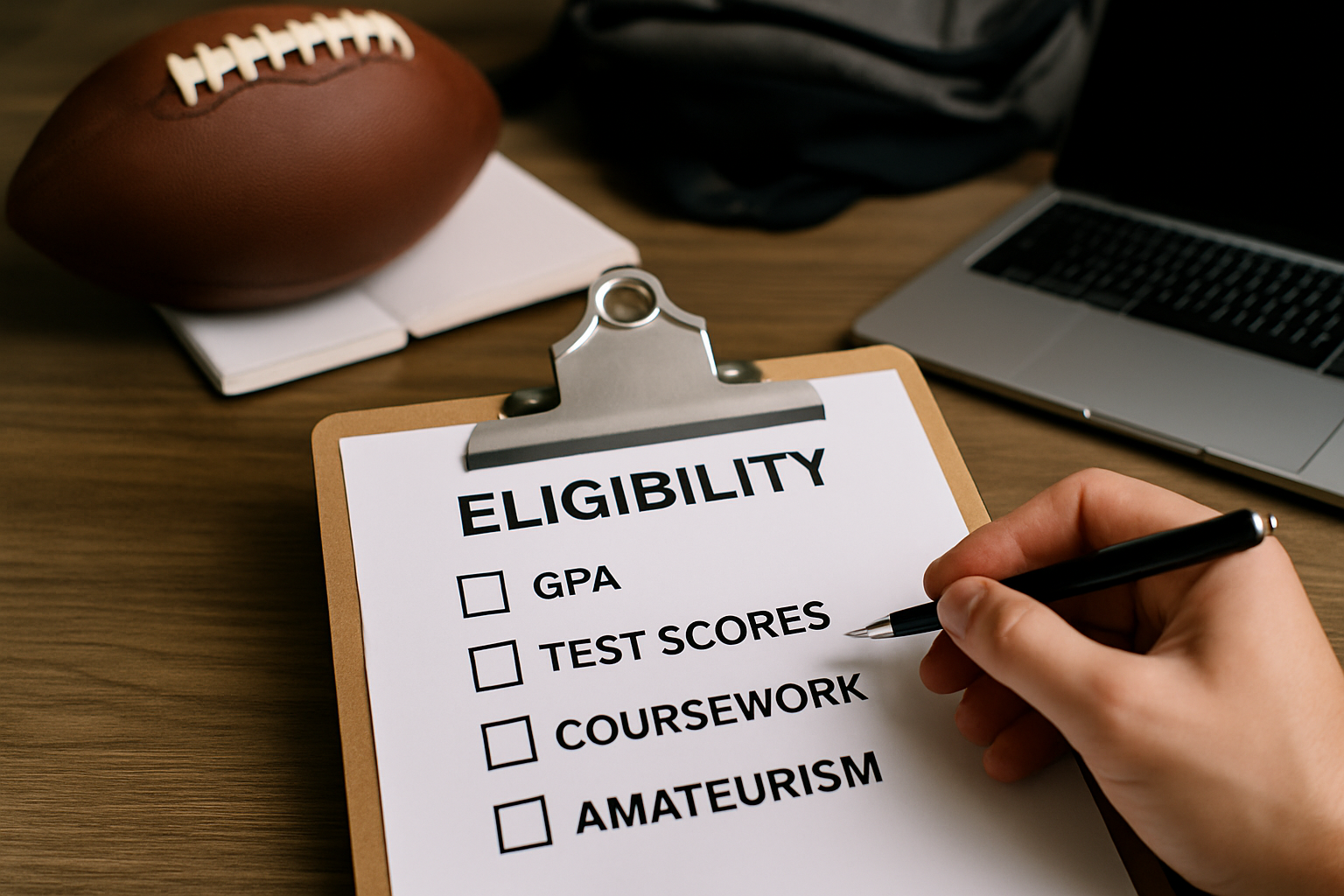
Understanding the Eligibility Criteria for Joining US College Sports
For many high school athletes harboring dreams of continuing their sports journey at the collegiate level, understanding the eligibility criteria to join US college sports is paramount. The process can appear daunting, but with the right information, aspiring athletes can navigate the requirements with confidence. This guide delves into the essential eligibility criteria, providing clarity and insight into this critical step toward collegiate athletic participation.
Academic Requirements: Laying the Foundation
Academics play a pivotal role in determining eligibility for college sports in the US. The National Collegiate Athletic Association (NCAA) sets specific academic standards that student-athletes must meet to participate. These standards ensure that students balance both their educational and athletic commitments.
- Core Courses: A prospective student-athlete must complete a set number of core courses during high school. For Division I and II schools, this includes 16 core courses across subjects like English, math, natural or physical science, and additional courses like languages or religion.
- Grade Point Average (GPA): The NCAA requires a minimum GPA in these core courses. As of 2026, Division I athletes must maintain a minimum 2.3 GPA, while Division II athletes require at least a 2.2 GPA. Keeping this GPA is crucial for maintaining initial eligibility.
- Standardized Tests: Standardized test scores from exams like the SAT or ACT are also considered. The NCAA Eligibility Center uses a sliding scale combining GPA and test scores to determine eligibility.
For more detailed academic guidelines, visit the NCAA’s official website.
Amateurism: Maintaining Integrity of Competition
Amateurism is a key eligibility component, ensuring the integrity of college sports remains intact. It defines what benefits athletes can and cannot receive before college enrollment.
- Professionalism: Athletes must maintain amateur status, meaning they cannot accept payment for athletic performance, sign a contract with a professional team, or receive benefits from agents.
- Prize Money and Gifts: While participating in amateur-level competitions, student-athletes can accept prize money but only up to actual and necessary expenses. Any excess may jeopardize their amateur status.
For a comprehensive breakdown of amateurism rules, click here.
Eligibility Center Registration: Your First Step
High school athletes aspiring to play in NCAA Division I or II sports must register with the NCAA Eligibility Center. This ensures all student-athletes meet their academic and amateurism standards before competing.
- Register Early: It's advisable to register during your sophomore year of high school. Early registration allows ample time to clear any uncertainties or discrepancies in academic records.
- Submitting Documents: Student-athletes must submit official transcripts, standardized test scores, and additional documentation as required.
The registration process can be completed through the NCAA's Eligibility Center portal.
Navigating the NAIA and NJCAA Eligibility
In addition to the NCAA, student-athletes can explore opportunities with other associations like the National Association of Intercollegiate Athletics (NAIA) and National Junior College Athletic Association (NJCAA).
NAIA Eligibility
The NAIA offers an alternative pathway for student-athletes. While the basic requirements are similar to the NCAA, the NAIA follows slightly different criteria for eligibility.
- Course Completion: Students are required to graduate from high school.
- Test Scores: At least an 18 on the ACT or 970 on the SAT.
- GPA Requirements: A minimum 2.0 GPA is needed in high school courses.
NJCAA Eligibility
The NJCAA caters primarily to student-athletes seeking to start their collegiate careers at community or junior colleges.
- Good Academic Standing: Students must be in good academic standing as per their high school’s standards.
- Credit Hours: The focus is more on credit hours completed rather than specific high school GPA or test scores.
To learn more about NAIA and NJCAA eligibility standards, visit their respective official websites: NAIA and NJCAA.
Real-World Examples: Learning from Athletes' Journeys
Many student-athletes have successfully navigated these eligibility criteria, setting examples for future generations. Consider the journey of an athlete like John Smith, who balanced his academic pursuits while excelling on his high school basketball team. By registering with the NCAA Eligibility Center early and adhering to the academic and amateurism standards, he secured a spot at a Division I college.
Similarly, Jane Doe's journey to a celebrated college athletic career with the NJCAA started by ensuring her grade records and credit hours were aligned with eligibility standards. Her story is a testament to the importance of preparation and awareness of eligibility requirements.
Conclusion: Taking the Next Steps Toward Your College Sports Dream
Eligibility criteria for joining US college sports serve as crucial touchstones in a prospective student-athlete's journey. By understanding the academic, amateurism, and registration requirements, athletes can confidently pave their path toward collegiate sports participation. Remember, early preparation and consistent academic performance are key in achieving this balance.
Stay informed and proactive in your eligibility process, seeking guidance from your high school's academic and sports advisors to ensure all criteria are met. Embrace the challenge, and you may soon find yourself donning the colors of your desired college while playing the sport you love.